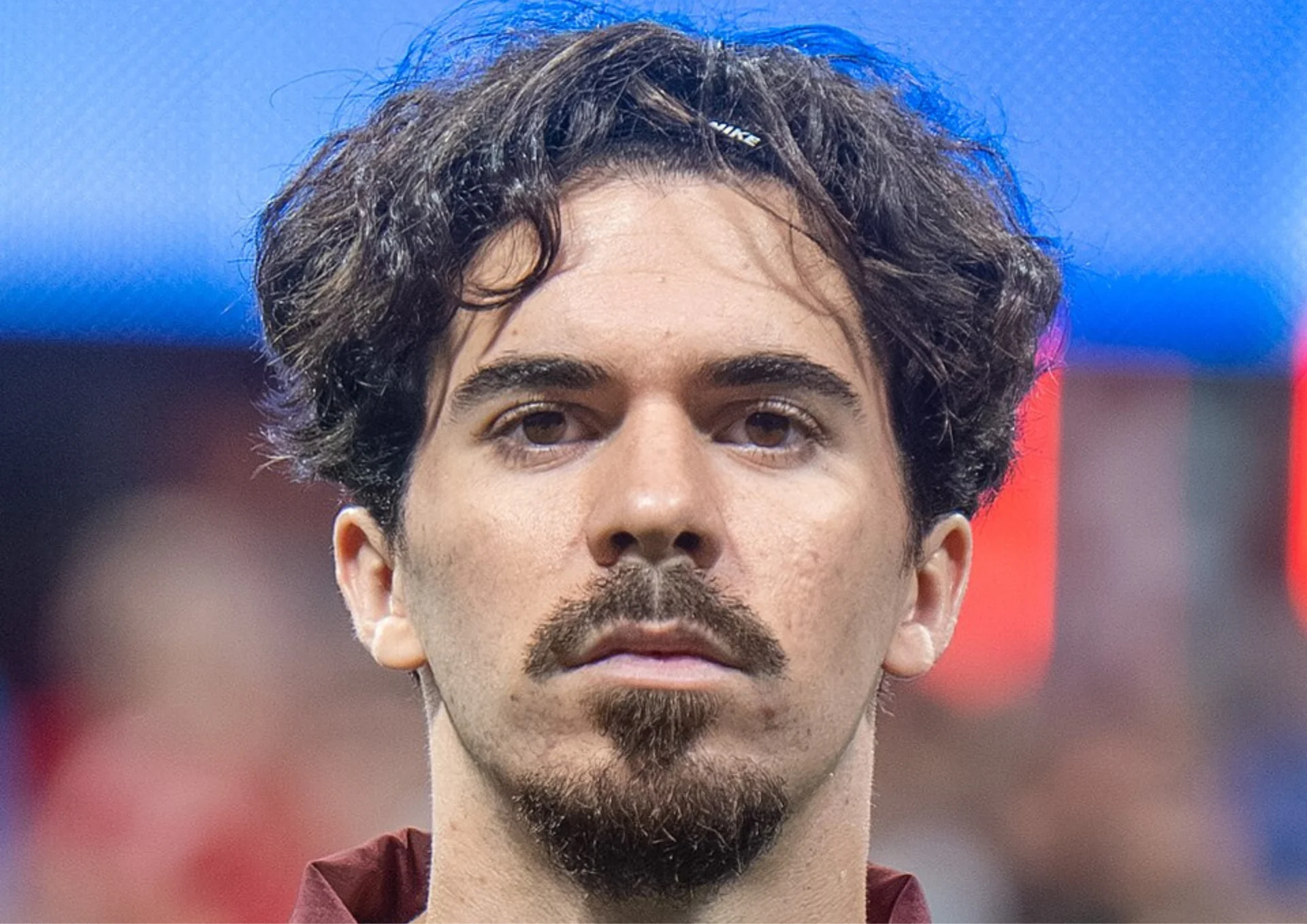
Portugal’s hopes at the FIFA World Cup 2026 may not rest solely on the shoulders of Cristiano Ronaldo anymore—and that could be their biggest advantage. A new midfield engine is quietly emerging, one capable of dictating tempo, shielding the defense, and unlocking attacks with surgical precision: Vitinha. If Portugal is to make a serious run, this “Superstar” might be the one who makes everything click.
Why This Matters
Modern football is no longer just about goal scorers—it’s about control. The teams that dominate international tournaments almost always have a midfield anchor who connects defense and attack seamlessly.
Think about Real Madrid during their historic Champions League run. With Casemiro sitting deep, they achieved balance and stability, enabling attacking brilliance further forward.
Or consider the Argentina national football team in the last World Cup. Rodrigo De Paul played a crucial midfield role that often went unnoticed—but was vital to their success.
Portugal now appears to have found their own version of that player in Vitinha.
The Biggest Reasons
1. Tactical Versatility That Changes Games
Vitinha is not a one-dimensional midfielder. He can operate as a deep-lying defensive midfielder (CDM) or push forward into an advanced playmaking role.
That flexibility allows Portugal to shift formations mid-game without substitutions—something that becomes invaluable in high-pressure knockout matches.
He acts as:
- A shield in front of the defense
- A distributor from deep
- A tempo controller in possession
Few players offer all three at such a high level.
2. The Midfield “Bridge” Portugal Needed
Every elite team needs a connector—the player who links defensive solidity with attacking creativity. Vitinha thrives in this exact role.
By collecting the ball from defenders and progressing it forward efficiently, he:
- Reduces defensive pressure
- Free attacking players from tracking back constantly
- Maintains rhythm and structure
This allows stars like Bruno Fernandes and Bernardo Silva to focus on what they do best—creating and attacking.
3. Proven Winning Mentality at Club Level
At Paris Saint-Germain, Vitinha has already demonstrated elite-level composure and consistency.
His recent performances include:
- High passing accuracy (over 93%)
- Strong defensive contributions
- Impressive stamina and distance covered
- Key goals and assists in crucial matches
Winning domestic titles and performing in the UEFA Champions League builds the kind of mentality required to succeed on the biggest stage.
4. A Balanced Supporting Cast
One of the biggest advantages for Portugal heading into the FIFA World Cup 2026 is that Vitinha won’t be carrying the burden alone.
He will be surrounded by:
- João Neves in midfield
- João Félix in attack
- Rúben Dias anchoring defense
- João Cancelo is providing width
This balance ensures that the team functions as a unit rather than relying on individual brilliance.
The Hidden Factor Nobody Is Talking About
The biggest overlooked strength of this Portugal side isn’t just talent—it’s role clarity.
For years, Portugal’s system revolved heavily around Ronaldo. While he remains a legendary figure, over-dependence often limits tactical flexibility.
Now, with Vitinha orchestrating midfield:
- Portugal can control possession more effectively
- Attacks can be built through structured play, not just moments of brilliance
- Multiple players can influence the game simultaneously
This evolution could make Portugal far more unpredictable—and dangerous.
What Could Go Wrong?
No team is without weaknesses, and Portugal faces a few potential risks:
1. Over-reliance on Midfield Control
If opponents disrupt Vitinha’s rhythm with aggressive pressing, Portugal’s buildup could suffer.
2. Defensive Transitions
While Vitinha contributes defensively, quick counterattacks from elite teams could expose gaps.
3. Aging Core Players
With veterans like Ronaldo still involved, managing fitness and tempo across a long tournament will be crucial.
4. Chemistry Under Pressure
Having multiple stars is an advantage—but only if roles remain clearly defined in high-stakes matches.
What This Means for FIFA World Cup 2026
Portugal is entering the FIFA World Cup 2026 with something they haven’t always had: balance.
Instead of relying on one Superstar, they now have:
- A midfield general in Vitinha
- Creative forces like Bruno Fernandes and Bernardo Silva
- A proven goal threat in Ronaldo
- A solid defensive backbone
If Vitinha performs at his peak, Portugal won’t just compete—they could control games against even the strongest opponents.
And in tournament football, control often translates to victory.
Conclusion
Portugal’s journey to FIFA World Cup 2026 glory may hinge on a quiet revolution in midfield rather than headline-grabbing goals. Vitinha represents that shift—a modern Superstar who does the unseen work that wins tournaments.
With a perfectly balanced squad and a more dynamic system, Portugal is no longer a one-man story.
The real question is: if Vitinha dominates the midfield on the world stage, could Portugal finally transform potential into a World Cup triumph?
Frequently Asked Questions (FAQs)
Why is Vitinha considered a key player for Portugal in the FIFA World Cup 2026?
Vitinha is crucial because he controls the midfield, linking defense and attack. His ability to dictate tempo, maintain possession, and contribute both defensively and offensively makes him the backbone of Portugal’s system.
Is Portugal still dependent on Cristiano Ronaldo?
While Cristiano Ronaldo remains an important figure, Portugal is no longer fully dependent on him. The team now has a balanced structure with multiple match-winners, especially in midfield.
What role does Vitinha play in the team?
Vitinha primarily plays as a central or defensive midfielder (CDM). He acts as a “bridge” between defense and attack—recovering the ball, distributing passes, and helping maintain the team’s overall structure.
Who are the other key players supporting Vitinha in Portugal’s squad?
Portugal has a strong supporting cast, including Bruno Fernandes, Bernardo Silva, João Félix, and Rúben Dias, all of whom contribute to a well-balanced team.
Can Portugal realistically win the FIFA World Cup 2026?
Yes, Portugal has a strong chance if their midfield, led by Vitinha, performs consistently. With tactical balance, depth, and experience, they have all the ingredients to compete for the FIFA World Cup 2026 title.

I’m a football writer, covering top leagues like the Premier League, La Liga, Bundesliga, Serie A, and Ligue 1. I write about match analysis, football news, tactics, and major tournaments such as the FIFA World Cup, delivering clear, engaging insights for fans.
About The Author