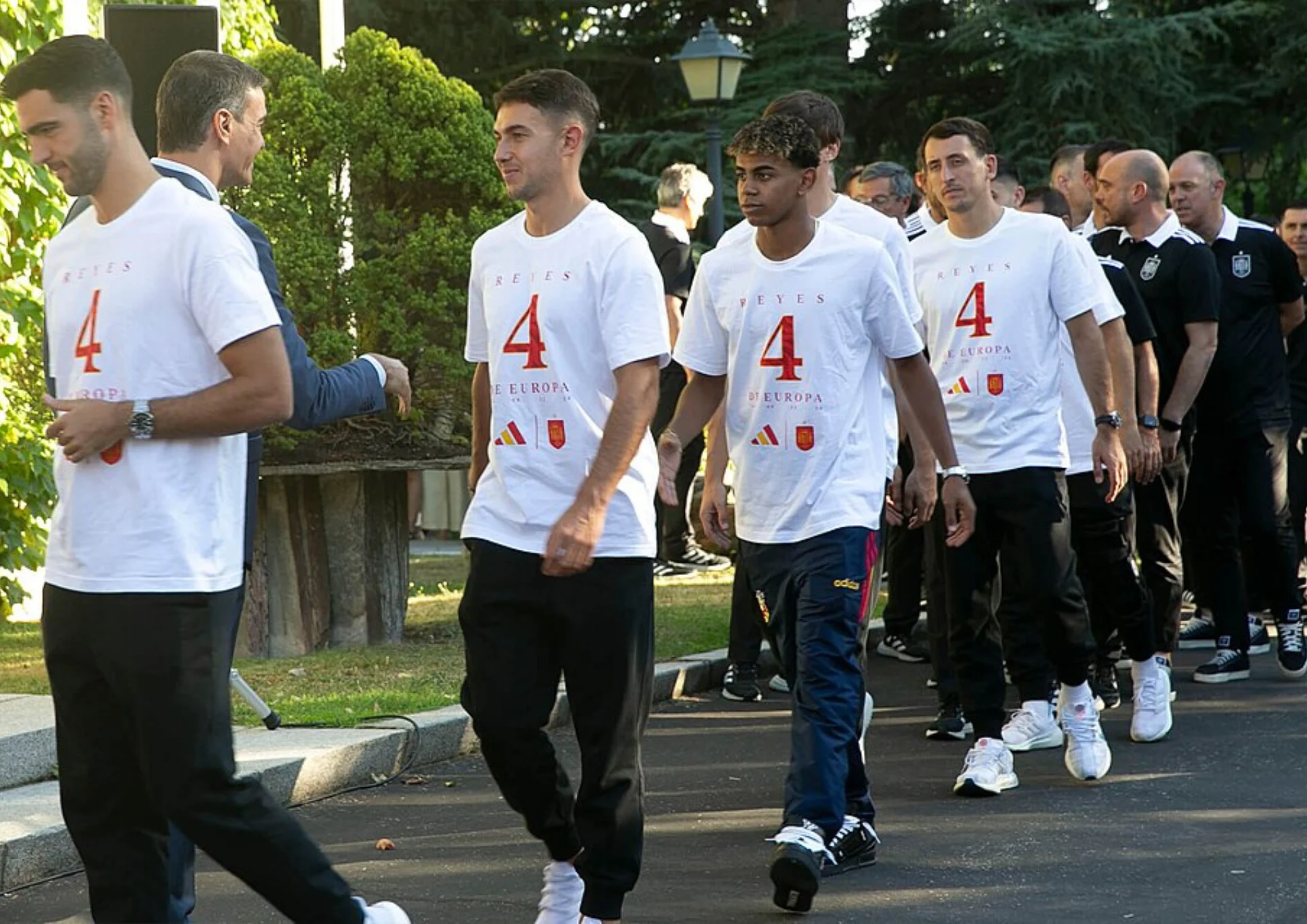
The Spain World Cup 2026 Squad has arrived with the weight of a nation’s ambition on its shoulders. After their stunning Euro 2024 triumph — the most dominant tournament performance by any European side in recent memory — expectations are sky-high. But history has taught us that World Cups are a different beast entirely. Spain’s last World Cup glory came back in 2010. Since then, early exits have become an unwanted habit.
So the question every football fan is asking: Is this Spain World Cup 2026 Squad good enough to end that 16-year drought and lift the FIFA World Cup trophy in North America?
Let’s break it all down — position by position, tactically, and brutally honestly.
Spain World Cup 2026 Squad Overview
The Spain World Cup 2026 Squad is a fascinating blend of seasoned experience and electric youth. It may be the most technically gifted Spanish generation since the tiki-taka era — and some would argue it’s even more dangerous.
Key Squad Strengths:
- Unrivalled midfield depth
- Explosive, unpredictable wingers
- Fluid positional system under Luis de la Fuente
- High press intensity combined with possession dominance
Key Squad Weaknesses:
- No world-class, proven No. 9 striker
- Aerial vulnerability at set pieces
- Defensive inconsistency against elite strikers
- Big-match finishing nerves
Goalkeepers
The Spain World Cup 2026 squad’s goalkeeping options are solid, though not without questions at the top.
| Goalkeeper | Club | Role |
|---|---|---|
| Unai Simón | Athletic Bilbao | First Choice |
| David Raya | Arsenal | Second Choice |
| Joan García | Espanyol | Third / Future |
Unai Simón is almost certainly starting between the sticks. He’s proven, experienced at the highest level, and — crucially — extremely comfortable with the ball at his feet. In a Spain side that routinely asks its goalkeeper to act as the first playmaker, that trait is non-negotiable.
David Raya has had an exceptional Premier League career at Arsenal and brings strong distribution, making him a genuine competitor for the shirt rather than just a backup.
Joan García is the exciting wildcard — young, composed, and widely regarded as one of Europe’s top goalkeeping prospects.
Key question: Can Simón handle the pressure of a World Cup knockout stage without a high-profile error?
Defensive Line
The defence of the Spain World Cup 2026 Squad is technically polished but physically untested against the world’s elite strikers.
| Defender | Position | Strength |
|---|---|---|
| Pau Cubarsí | CB | Composure, reading of play |
| Aymeric Laporte | CB | Experience, leadership |
| Marc Cucurella | LB | Energy, ball-carrying |
| Alejandro Grimaldo | LB | Attack, crossing |
| Pedro Porro | RB | Overlapping runs |
| Marc Pubill | RB | Pace, cover |
| Eric García | CB | Tactical discipline |
| Marcos Llorente | Versatile | Adaptability |
Pau Cubarsí deserves special mention. At just 19, he plays with the composure of a seasoned veteran — reading danger, winning headers, and distributing calmly under pressure. He could be the defensive revelation of this tournament.
Laporte provides the experienced head alongside him, while the full-backs — Cucurella, Grimaldo, and Porro — are all attack-minded players who will push forward and create width.
The concern? When Spain’s full-backs bomb forward, the defensive shape can be exposed by fast counterattacking teams. France, Brazil, or Argentina could punish this ruthlessly.
Midfield — Spain’s Biggest Strength
This is where the Spain World Cup 2026 Squad truly separates itself from the competition. Spain’s midfield isn’t just good — it might be the best collection of central midfielders at the entire tournament.
| Player | Role | Key Trait |
|---|---|---|
| Rodri | Defensive Anchor | Tactical intelligence, ball recovery |
| Pedri | Creative Playmaker | Tempo control, vision |
| Gavi | Press & Drive | Aggression, work rate |
| Fabián Ruiz | Deep Carrier | Long passing, composure |
| Martín Zubimendi | Deep Playmaker | Distribution, positioning |
| Mikel Merino | Box-to-Box | Physical presence, headers |
| Álex Baena | Creative Spark | Final third delivery |
Rodri is the heartbeat — possibly the best holding midfielder on the planet. He wins the ball, he recycles possession, he reads the game. Without him, Spain looks significantly more vulnerable.
Pedri is the creative soul, capable of dictating the tempo of an entire match from a central position. His chemistry with Gavi creates a press-and-pass combination that has destroyed midfields across Europe.
The tactical reality: Spain can comfortably control 65–70% of possession against most opponents. Their midfield overload strategy means opponents spend most of the match chasing shadows rather than threatening Spain’s goal.
Attack — Speed, Flair & Unpredictability
The attacking options in the Spain World Cup 2026 Squad are thrilling — but carry a significant question mark through the middle.
| Attacker | Position | Key Trait |
|---|---|---|
| Lamine Yamal | Right Wing | Dribbling, creativity, X-factor |
| Nico Williams | Left Wing | Pace, 1v1, explosiveness |
| Dani Olmo | Attacking Midfield / Wing | Intelligence, pressing |
| Mikel Oyarzabal | Striker / Wing | Leadership, finishing |
| Ferran Torres | Winger | Experience, versatility |
| Yéremy Pino | Winger | Pace, directness |
| Borja Iglesias | Striker | Hold-up play |
| Víctor Muñoz | Winger | Energy, depth |
Lamine Yamal, at 19 years old, is already a generational talent. His ability to take on defenders, create chances from nothing, and deliver in the biggest moments was on full display at Euro 2024. He is Spain’s X Factor.
Nico Williams is pure electricity on the left flank — one of the most direct and explosive wide players in world football right now. His partnership with Yamal forms one of the most feared winger duos at the tournament.
The obvious concern: There is no world-class, proven striker leading the line. Oyarzabal is solid and experienced, but he isn’t consistently putting away chances at the highest level. This could prove costly against elite defences in the knockout stages.
Spain’s attack relies more on system and collective movement than on a single goalscoring superstar — a model that has both won them titles and frustrated them in equal measure.
Spain’s Tactical Identity
The Spain World Cup 2026 Squad under Luis de la Fuente plays a modern evolution of the tiki-taka system — faster, more vertical, and more pressing-intensive than the 2008–2012 version.
Primary Formation: 4-3-3 Alternative Formation: 4-2-3-1
Core Tactical Principles:
- Possession domination — build from the back through the goalkeeper and centre-backs
- Positional rotation — forwards and midfielders constantly exchange positions to disorient opponents
- High press on ball loss — immediate counter-press to win back possession within seconds
- Wide overloads — Yamal and Williams stretch defences to create central spaces for Pedri and Gavi
Where they struggle: Low-block teams that sit deep and absorb pressure before hitting on the counter. Morocco’s defensive setup nearly knocked them out at the Qatar 2022 FIFA World Cup. Similar organised teams could cause problems again.
Key Players Who Decide Spain’s World Cup Fate
The Spain World Cup 2026 Squad has a clear group of players who will either carry them to glory or see them fall short:
- Pedri — If he controls the tempo, Spain controls the match
- Rodri — His defensive screen protects the back four; without him, Spain is exposed
- Lamine Yamal — The X-factor; can win a match single-handedly on his best day
- Nico Williams — His directness and pace unlock even the most organised defences
- Unai Simón — Must be reliable under pressure; one costly error can end a tournament run
Strengths vs Weaknesses at a Glance
| ✅ Strengths | ❌ Weaknesses |
|---|---|
| World-class midfield depth | No elite, proven striker |
| Electric, youthful wingers | Aerial vulnerability at set pieces |
| Tactical flexibility | Fragile when Rodri is absent |
| High pressing system | Struggles vs deep defensive blocks |
| Winning tournament mentality (Euro 2024) | Inconsistent big-match finishing |
Final Verdict: Can Spain Win World Cup 2026?
The Spain World Cup 2026 Squad is unquestionably one of the four or five most dangerous teams at the tournament. Their midfield is arguably the best in the world, their wide attackers are among the most exciting players on the planet, and their tactical system is proven at the highest level.
But are they the outright favourites? Not quite.
France’s individual quality, Brazil’s unpredictability, England’s physicality, and Argentina’s defensive resilience all pose genuine threats that could expose Spain’s vulnerabilities in the knockout rounds.
The verdict: Spain is best described as an “elite dark horse” — not the number one favourite, but a team fully capable of winning every match when they are at their best.
For Spain to win the World Cup 2026, three things must happen:
- Rodri must stay fit and available throughout the tournament
- The wingers must convert their chances — no more big-match misses
- The defence must hold firm against physical, direct opponents
If those three conditions are met, the Spain World Cup 2026 Squad has everything needed to bring the trophy back to Madrid.
Frequently Asked Questions (FAQs)
Is Spain a favourite for the World Cup 2026?
The Spain World Cup 2026 Squad is among the top contenders alongside France, Brazil, and England, but isn’t considered the clear outright favourite.
Who is Spain’s best player in the 2026 squad?
Rodri and Pedri are the most influential, but Lamine Yamal is the most exciting talent capable of producing match-winning moments.
Can Spain win the World Cup again?
Absolutely — the Spain World Cup 2026 Squad has the tactical system, midfield quality, and attacking talent to go all the way, provided they avoid injuries and convert their chances under pressure.
Also Read: Spain Favourites to Win 2026 FIFA World Cup? Full Squad, Key Players & Prediction
FIFA World Cup 2026 Group H Predictions: Spain Top, Uruguay Runner-Up & Underdogs Fall Short

I’m a football writer, covering top leagues like the Premier League, La Liga, Bundesliga, Serie A, and Ligue 1. I write about match analysis, football news, tactics, and major tournaments such as the FIFA World Cup, delivering clear, engaging insights for fans.
About The Author

1 thought on “Spain World Cup 2026 Squad: Do They Really Have What It Takes to Win?”