VAR at the 2026 FIFA World Cup: What’s New, What’s Changed?
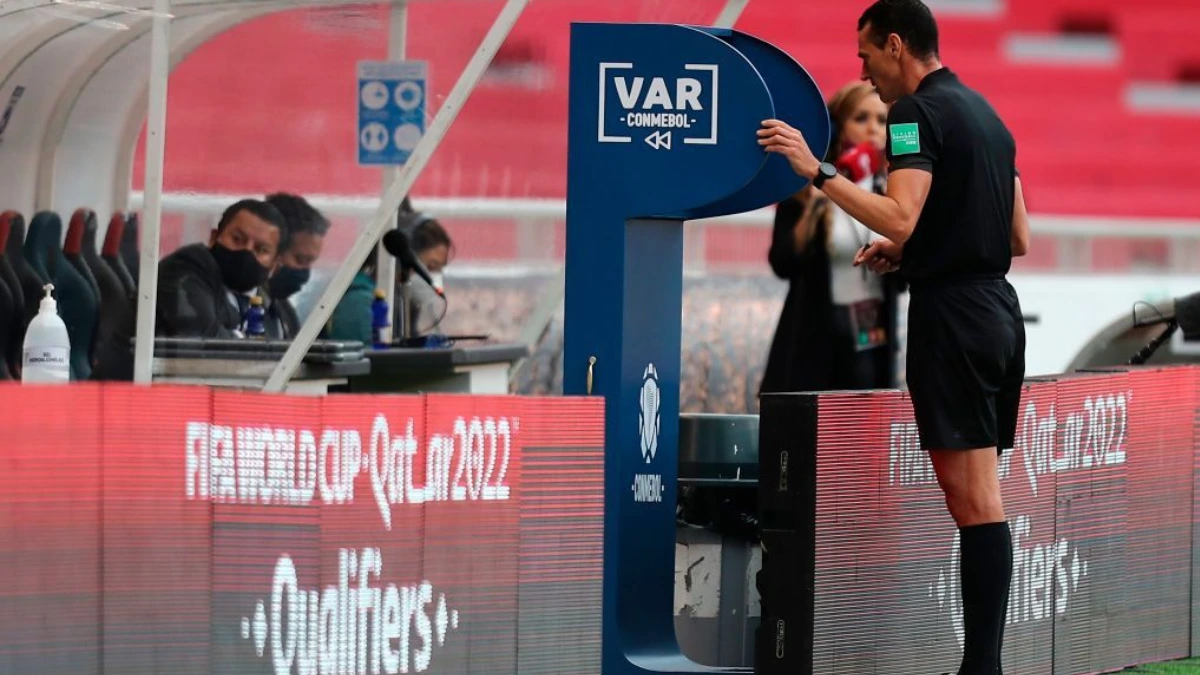
Video Assistant Referee (VAR) is no longer just a buzzword at the FIFA World Cup—it’s a central part of how modern matches are officiated. As the game has grown faster, sharper, and more high‑stakes, the need for accurate, consistent decisions has only increased.
By the time the FIFA 2026 World Cup kicks off, VAR will not only be more embedded in the tournament fabric than ever before, but it will also operate under a slightly expanded rulebook and a more refined set of protocols. For fans, players, and broadcasters alike, that means understanding not just what VAR is, but what it can—and can’t—do on the world’s biggest stage.
At its core, VAR remains a system designed to correct only the most critical mistakes. Its main focus is still on four key categories: goals, penalty decisions, direct red‑card incidents, and mistaken identity. When a goal is scored, for example, VAR automatically checks whether a player was offside, whether there was a foul or handball in the build‑up, or if the ball crossed the line legally. If it spots a clear error, the on‑field referee can be advised to review the footage at the pitch‑side monitor and overturn the decision.
The same principle applies to penalties inside the box and straight red cards for serious foul play or violent conduct. The idea is simple: let the referee get the big calls right, without turning every minor incident into a 10‑minute replay debate.
What changes has VAR undergone for the 2026 World Cup?
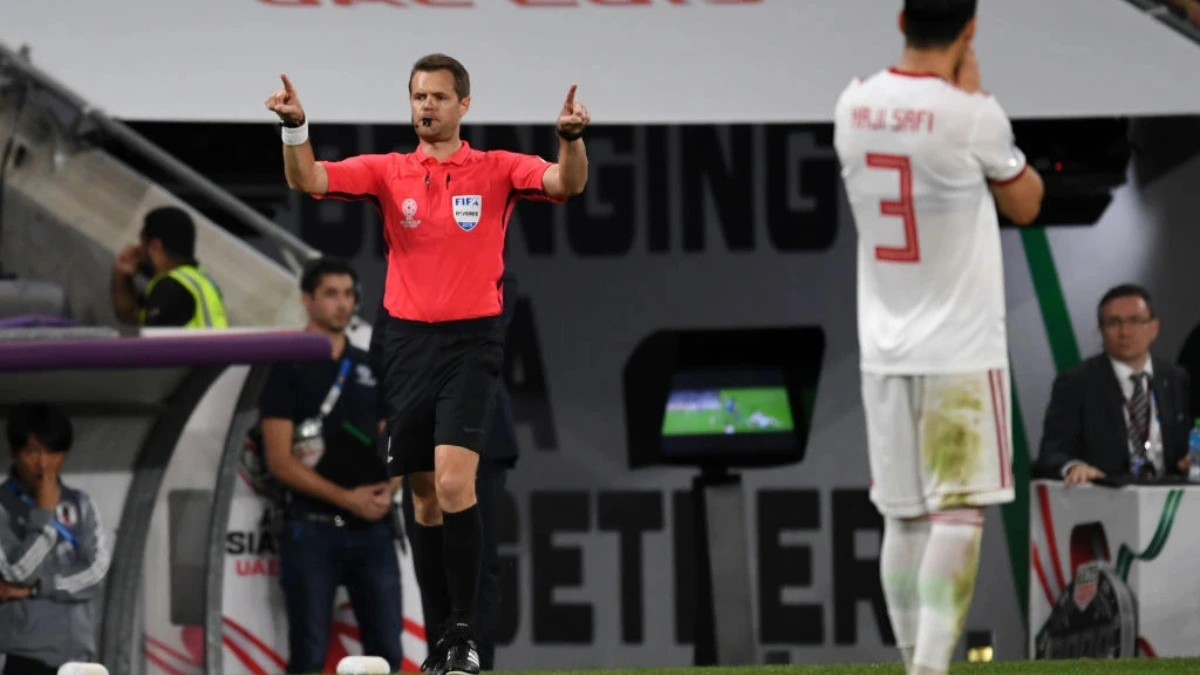
For the 2026 edition, FIFA and the International Football Association Board (IFAB) did not overhaul VAR, but they did tweak its scope and workflow. The most visible change is that VAR now has a slightly wider “mandate” in certain situations, while also being held to stricter limits on how often it can interrupt the game. This push came from years of feedback: some fans felt VAR was too hesitant, while others complained that too many reviews were slowing matches. The 2026 World Cup aims to land somewhere in the middle—more confident when it matters, but quicker and less disruptive.
Importantly, these are not cosmetic changes. They shape how referees, players, and coaches think about the game. When a defender goes into a challenge, there’s now a clearer expectation that VAR will step in if a clear red‑card‑worthy incident is missed. At the same time, coaches and managers have to be more cautious about pressing for review, knowing that the referee will only accept a reversal if the error is truly obvious and materially changes the match.
What can VAR review now that it couldn’t before?
One of the most talked‑about 2026 VAR updates is the explicit inclusion of second‑yellow offences that lead to a red card. In practice, this means that if a player has already been booked once and then commits another cautionable offence, VAR can check whether the referee missed the second yellow. If the video officials see a clear case—such as a player committing a tactical foul after a first yellow—the referee can be told to send the player off, even if the on‑field official didn’t blow the whistle at that moment.
There are limits, though. VAR cannot “invent” a yellow card that wasn’t given. It cannot fine‑tune marginal decisions or punish a player for something that the referee fairly judged to be acceptable. Its job here is to ensure that when a player is already on a yellow, the second caution (and resulting red card) is not missed in a situation that is clearly wrong. For fans, this means fewer cases where a player stays on the pitch after a blatant second bookable offence, but also means referees will still be the final judges of the game’s rhythm.
What role will VAR play around corner kicks?
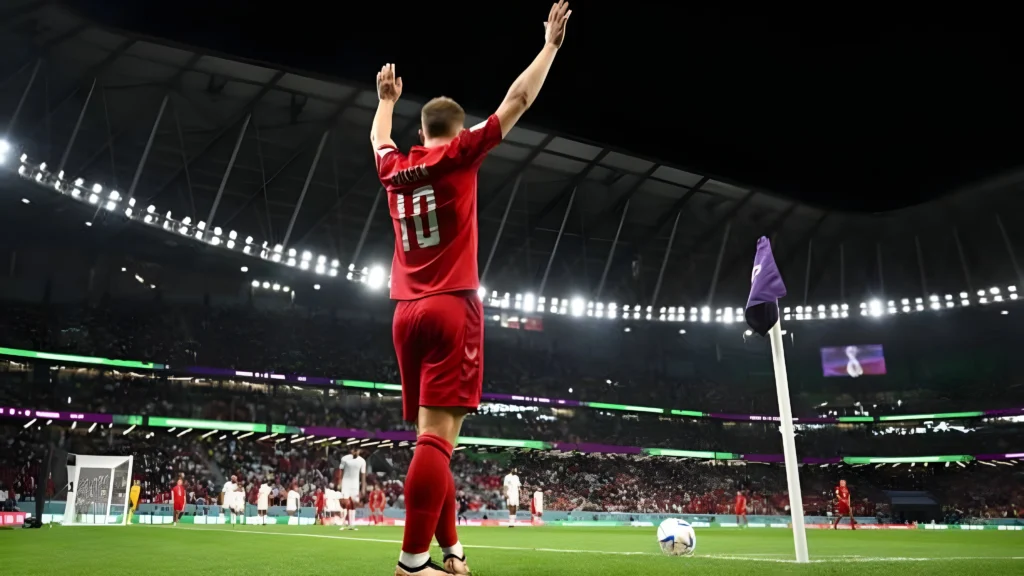
Another 2026 novelty is the limited use of VAR for corner‑kick decisions. In tight situations where the ball brushes off a defender or attacker near the goal line, referees have traditionally had to decide by sight whether the last touch was by the attacking or defending side. These micro‑decisions can be huge, because a wrongly awarded corner can lead directly to a goal. Under the new guidelines, VAR can step in to check “last touch” and ensure that the corner is given correctly, but only when it’s quick and does not delay the restart.
The wording here is critical: FIFA has made it clear this is an option, not a requirement. In many cases, referees may simply signal the corner and let the game continue, even if the last touch is slightly unclear. VAR will only intervene when the error is obvious, and the check can be done rapidly. The goal is not to create a long pause every time the ball goes out for a corner, but to prevent especially blatant mistakes that could unfairly swing momentum.
How strict is VAR with those new checks?
Underpinning all these changes is the same principle: clear and obvious errors only. VAR is not supposed to act as a “fifth referee,” making every borderline decision more precise. Instead, it is there to correct the kind of mistakes that would be obvious to fans, players, and pundits alike. For second‑yellow offences, for example, VAR will not re‑judge a foul that was borderline; it will only intervene if a player clearly committed a second cautionable offence and the referee simply did not see it. The same applies to corners: if the last touch is genuinely uncertain, VAR will usually defer to the on‑field crew rather than impose a new interpretation.
This restraint is also built into the process. If the on‑field referee has already made a decision, VAR can only recommend an on‑pitch review if the initial call is clearly wrong. The referee then reviews the footage on the monitor and can either confirm or overturn the decision. Players and coaches cannot demand a VAR review; that trigger remains with the referee or VAR itself. This keeps the balance of power where it belongs—with the referee—while still giving them a powerful tool to fall back on.
How will VAR affect timing and interruptions?
One of the hottest debates around VAR has always been about time. Critics argue that reviews chop up the flow of the game, especially in tight knockout matches where emotions run high. For the 2026 World Cup, FIFA has introduced new countdowns and time‑management measures to speed up restarts. Penalties, free kicks, and throw‑ins are now subject to stricter timing rules so that even after a VAR check, the game can resume quickly. Broadcasters are also expected to show countdown clocks on screen, making it clear to fans how long a stoppage is expected to last.
These measures are designed to strike a balance: VAR can still step in for major decisions, but it must do so without artificially stretching the 90 minutes. The result is that stoppages are more predictable, more transparent, and, in theory, less frustrating for viewers. Instead of waiting and wondering when play will resume, audiences can see the countdown ticking down to the next restart.
What technology is backing VAR in 2026?
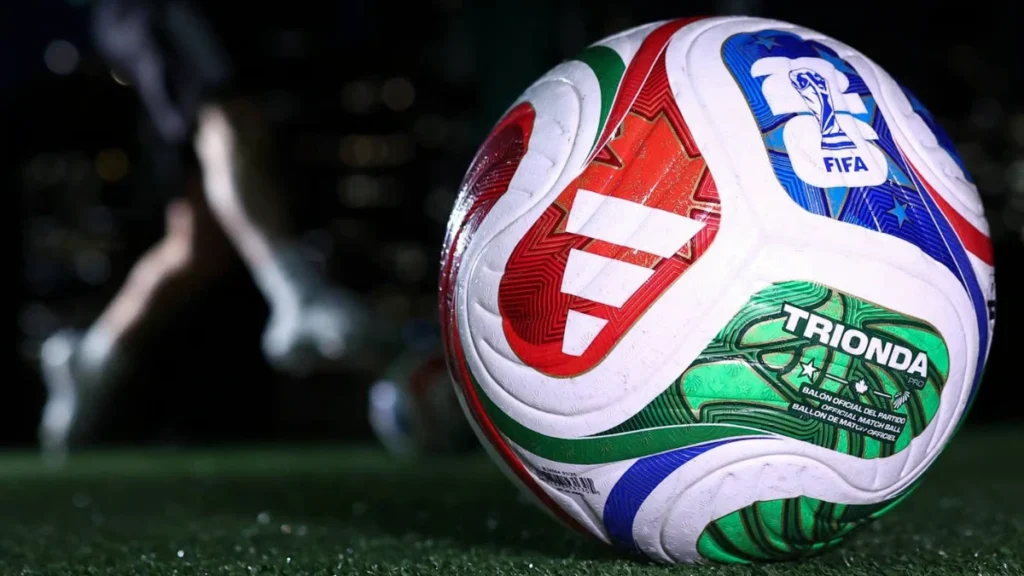
Behind the scenes, VAR in 2026 is being supported by more advanced technology than ever before. The use of a connected, AI‑enhanced ball and improved camera systems allows officials to track exactly where and how the ball was last touched, even in fast‑paced scrambles near the goal line. Extra tracking cameras and player‑positioning data also help clarify issues like offside and whether a player was pulled back in the penalty area. This data does not replace human judgment; instead, it feeds into the referee’s decision‑making process, giving them a more accurate picture of the incident.
For broadcasters and analysts, this opens up new storytelling possibilities. Cutaways can show the exact angle of the last touch, the speed of a breakaway, or the positioning of defenders at the moment of a foul. It lets producers explain VAR decisions in a way that feels concrete and evidence‑based, rather than abstract. “They saw something on replay.”
What are the main controversies and debates?
Despite all these improvements, VAR will not satisfy everyone by 2026. Some fans still miss the margin of error that came with purely human refereeing, while others worry that the game is becoming too clinical and replay‑driven. The expansion into second‑yellow decisions and corner‑kick checks may only deepen these debates. Can a system that claims to be for “clear and obvious errors” really avoid being called in on more and more borderline situations? And can a sport that thrives on spontaneity and emotion ever fully embrace technology without losing a piece of its soul?
Final Verdict
Those questions do not have easy answers, but they are part of what makes VAR such a compelling topic at the 2026 World Cup. As the game continues to evolve, VAR will remain a tool in constant negotiation with the traditions of football—a way to preserve fairness, even as it challenges the way we watch and feel the beautiful game.
Frequently Asked Questions (FAQs)
What is VAR at the 2026 FIFA World Cup?
VAR at the 2026 FIFA World Cup is the Video Assistant Referee system used to review key in‑match decisions such as goals, penalties, red cards, mistaken identity, and, in this edition, second‑yellow offences and some corner‑kick incidents to ensure only clear errors are corrected.
How is VAR at the 2026 FIFA World Cup different from before?
VAR at the 2026 FIFA World Cup has been expanded to review second‑yellow offences that lead to red cards and to check corner‑kick decisions (for last touch and misconduct), but with strict limits to avoid long delays and keep the focus on clear mistakes.
Can VAR change every decision at the 2026 World Cup?
No, VAR at the 2026 FIFA World Cup is restricted to specific categories—goals, penalties, direct red cards, mistaken identity, second‑yellow offences, and certain corner situations—and can only intervene when there is a clear error, not for borderline or subjective calls.
Will VAR stop play for every corner at the 2026 World Cup?
No, VAR at the 2026 FIFA World Cup will only check corner‑kick decisions if the error is obvious and the review can be done quickly; FIFA has made these checks optional so that most corners are still decided by the on‑field referee without delay.
How does VAR at the 2026 FIFA World Cup affect fans and broadcasters?
VAR at the 2026 FIFA World Cup helps reduce major refereeing mistakes in high-stakes situations, while new countdowns and time management make reviews more predictable, giving fans clearer explanations and broadcasters more structured ways to present VAR decisions.

I’m a football writer, covering top leagues like the Premier League, La Liga, Bundesliga, Serie A, and Ligue 1. I write about match analysis, football news, tactics, and major tournaments such as the FIFA World Cup, delivering clear, engaging insights for fans.
About The Author