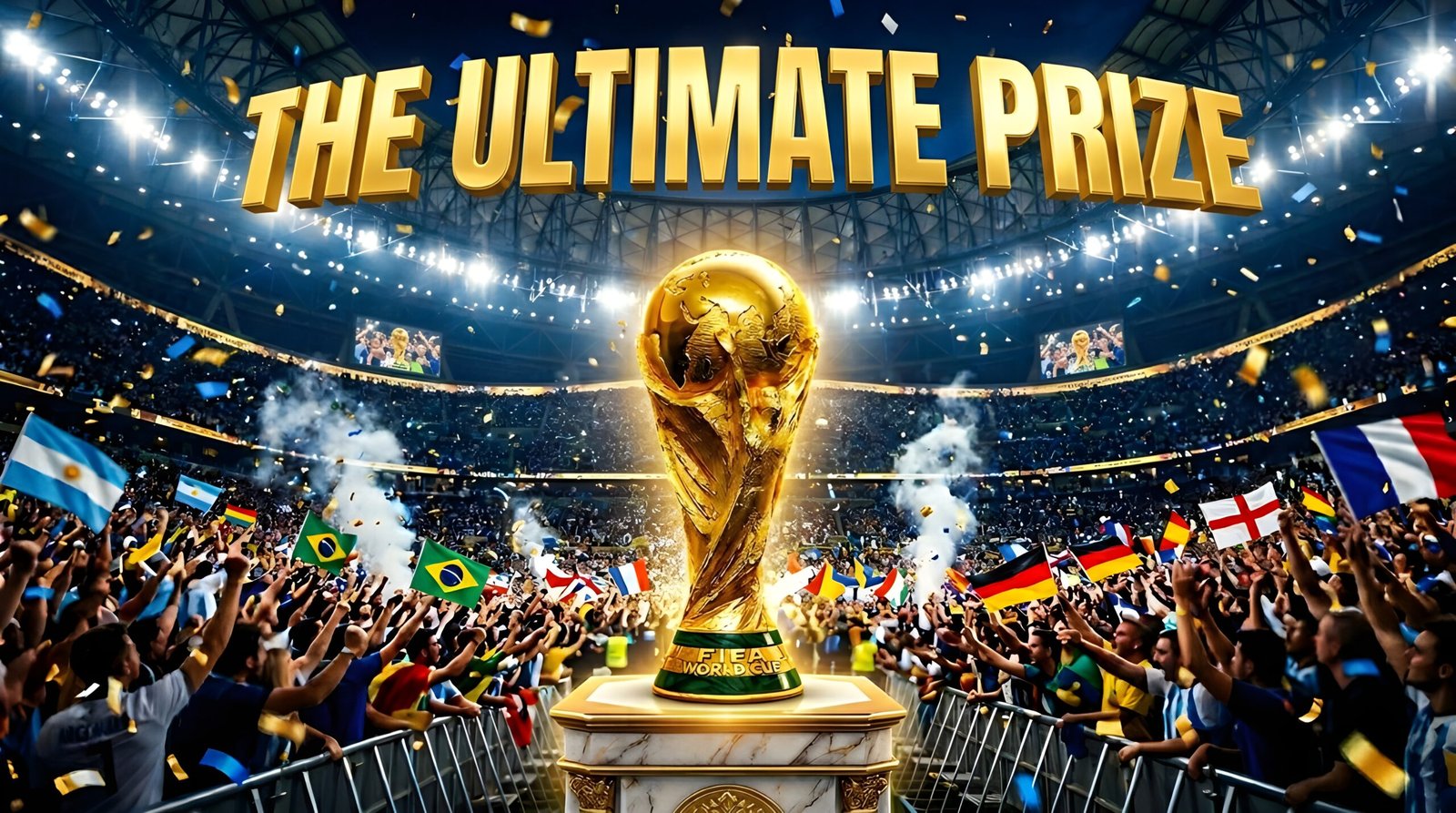
FIFA World Cup Winners List: Champions Through the Years
Few events in the world of sport command the kind of universal attention that the FIFA World Cup does. Held every four years, this tournament brings together the finest national football teams from across the globe to compete for the most coveted prize in the sport. From the dusty stadiums of Uruguay in 1930 to the ultra-modern arenas of Qatar in 2022, the World Cup has grown into a phenomenon that transcends football itself, becoming a cultural moment that billions of people share simultaneously.
What makes the FIFA World Cup so special? It is the only tournament where every confederation — from South America to Asia, Africa to Europe — sends its best teams to compete on equal footing. Unlike club football, which is dominated by wealth and transfer budgets, the World Cup levels the playing field in spirit, giving smaller nations the chance to dream of glory. The tournament’s legacy is written not just in goals and trophies, but in iconic moments: Pelé weeping with joy in 1970, Diego Maradona’s “Hand of God” in 1986, Zinedine Zidane’s headbutt in 2006, and Lionel Messi finally lifting the trophy in 2022.
For any football fan, the FIFA World Cup winners list is more than a historical record — it is a timeline of the sport’s greatest chapters. Let’s walk through it, year by year.
Year-by-Year FIFA World Cup Winners List
The complete FIFA World Cup winners list spans 22 tournaments across nearly a century of football history. Below is a comprehensive chronological breakdown of every champion, runner-up, and host nation.
| Year | Host Nation | Champion | Runner-Up | Score |
|---|---|---|---|---|
| 1930 | Uruguay | Uruguay | Argentina | 4–2 |
| 1934 | Italy | Italy | Czechoslovakia | 2–1 (AET) |
| 1938 | France | Italy | Hungary | 4–2 |
| 1950 | Brazil | Uruguay | Brazil | 2–1 |
| 1954 | Switzerland | West Germany | Hungary | 3–2 |
| 1958 | Sweden | Brazil | Sweden | 5–2 |
| 1962 | Chile | Brazil | Czechoslovakia | 3–1 |
| 1966 | England | England | West Germany | 4–2 (AET) |
| 1970 | Mexico | Brazil | Italy | 4–1 |
| 1974 | West Germany | West Germany | Netherlands | 2–1 |
| 1978 | Argentina | Argentina | Netherlands | 3–1 (AET) |
| 1982 | Spain | Italy | West Germany | 3–1 |
| 1986 | Mexico | Argentina | West Germany | 3–2 |
| 1990 | Italy | West Germany | Argentina | 1–0 |
| 1994 | USA | Brazil | Italy | 0–0 (Brazil won 3–2 on penalties) |
| 1998 | France | France | Brazil | 3–0 |
| 2002 | South Korea/Japan | Brazil | Germany | 2–0 |
| 2006 | Germany | Italy | France | 1–1 (Italy won 5–3 on penalties) |
| 2010 | South Africa | Spain | Netherlands | 1–0 (AET) |
| 2014 | Brazil | Germany | Argentina | 1–0 (AET) |
| 2018 | Russia | France | Croatia | 4–2 |
| 2022 | Qatar | Argentina | France | 3–3 (Argentina won 4–2 on penalties) |
AET = After Extra Time | PSO = Penalty Shoot-Out
This FIFA World Cup winners list tells a rich story of football’s evolution. The early tournaments were dominated by South American sides, while Europe gradually asserted its dominance through the mid-20th century. In more recent decades, the balance of power has shifted tournament by tournament, making the competition as unpredictable as ever.
Most Successful Teams in World Cup History
When you scan the FIFA World Cup winners list, a handful of nations stand out as the true titans of international football. These are the countries that have not merely participated but consistently arrived at tournaments as genuine contenders, delivering titles across multiple generations of players.
Brazil — The Most Decorated Nation
No conversation about the FIFA World Cup winners list is complete without beginning with Brazil. The Seleção are the most successful nation in the tournament’s history, having lifted the trophy a record five times — in 1958, 1962, 1970, 1994, and 2002. They are also the only country to have participated in every single World Cup since the tournament’s inception in 1930, a feat that speaks to both their footballing culture and institutional strength.
Brazil’s 1970 squad, widely regarded as the greatest international team ever assembled, swept through Mexico with a style of football that was poetic in its fluidity. Pelé, Jairzinho, Tostão, Rivellino — they played a brand of football the world had never seen before and has rarely seen since. Their third title that year earned them permanent custody of the original Jules Rimet Trophy.
Germany — Masters of Consistency
Germany (including their former incarnation as West Germany) has won the World Cup four times: 1954, 1974, 1990, and 2014. But their legacy goes well beyond titles. Germany has appeared in a remarkable eight World Cup finals, more than any other nation. They are the embodiment of tournament football: disciplined, tactically astute, and almost impossibly resilient under pressure.
Their 2014 triumph in Brazil was particularly memorable — not only did they defeat the host nation 7–1 in the semi-final (arguably the most shocking result in World Cup history), but they also won the tournament on South American soil, something no European team had ever done before.
Italy — The Azzurri’s Golden Eras
Italy’s four World Cup titles (1934, 1938, 1982, 2006) were delivered across vastly different eras, each with its own character. The back-to-back victories in the 1930s under coach Vittorio Pozzo remain unique in the FIFA World Cup winners list — no manager has ever replicated that feat. Italy’s 1982 win, led by the brilliant Paolo Rossi, and their 2006 penalty shoot-out victory against France both showcased the Azzurri’s knack for grinding out results under extreme pressure.
Argentina — From Menotti to Messi
Argentina’s story on the FIFA World Cup winners list is one of extremes. Their three titles — 1978, 1986, and 2022 — are each iconic for entirely different reasons. The 1978 win came on home soil amid political controversy; the 1986 triumph was almost singlehandedly willed into existence by a transcendent Diego Maradona; and the 2022 victory in Qatar was the emotional culmination of Lionel Messi’s extraordinary career, finally giving him the one trophy that had eluded him.
The 2022 final against France remains one of the greatest in the tournament’s history, with Argentina twice surrendering a two-goal lead before prevailing on penalties.
France — Back-to-Back Brilliance
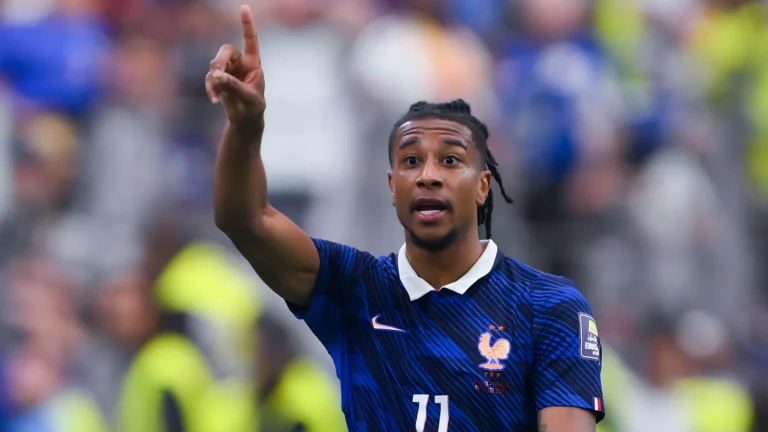
France has won the World Cup twice — in 1998 on home soil and in 2018 in Russia — and came agonisingly close to a third consecutive title in Qatar. Their 1998 victory, inspired by Zinedine Zidane, marked the arrival of a new footballing power. Their 2018 win showcased the depth and tactical intelligence of Didier Deschamps’ squad, with Kylian Mbappé announcing himself to the world at just 19 years of age.
Title Count by Nation
Here is a clean breakdown of all World Cup-winning nations, summarising the full FIFA World Cup winners list by country:
| Nation | Titles | Years Won |
|---|---|---|
| 🇧🇷 Brazil | 5 | 1958, 1962, 1970, 1994, 2002 |
| 🇩🇪 Germany | 4 | 1954, 1974, 1990, 2014 |
| 🇮🇹 Italy | 4 | 1934, 1938, 1982, 2006 |
| 🇦🇷 Argentina | 3 | 1978, 1986, 2022 |
| 🇫🇷 France | 2 | 1998, 2018 |
| 🇺🇾 Uruguay | 2 | 1930, 1950 |
| 🏴 England | 1 | 1966 |
| 🇪🇸 Spain | 1 | 2010 |
Eight nations. That is all. In 22 tournaments spanning 92 years, only eight countries have ever won the FIFA World Cup. This remarkable concentration of success underlines just how difficult it is to win the tournament and why each new champion on the FIFA World Cup winners list represents such a monumental achievement.
What is also striking is the regional pattern. South American nations — Brazil, Argentina, and Uruguay — account for ten titles between them, while European nations account for twelve. No nation from Africa, Asia, or North America has ever won the tournament, though several have come close to reaching the final.
Historical Records and Milestones
Beyond the trophies, the FIFA World Cup winners list is punctuated by records, firsts, and unforgettable moments that define the competition’s history.
The First World Cup Winner
Uruguay became the first entry on the FIFA World Cup winners list when they hosted and won the inaugural tournament in 1930. Playing in the Estadio Centenario in Montevideo before a crowd of around 68,000, Uruguay defeated Argentina 4–2 in the final. The hosts went 2–1 down at half-time before staging a remarkable comeback. It was a fitting beginning for a tournament that would go on to produce countless moments of drama.
Uruguay’s status as the first champion has an added layer of historical significance — they were also the reigning Olympic champions in football at the time, making them the undisputed world’s best team of that era.
First Back-to-Back Champions
Italy hold the unique distinction of being the only nation to have successfully defended its World Cup title. Under the legendary coach Vittorio Pozzo, they won in 1934 (in Italy) and again in 1938 (in France), becoming the first — and still the only — team to win consecutive World Cups. This achievement remains one of the most extraordinary in the FIFA World Cup winners list, particularly given the logistical and political challenges of the era.
The “Maracanazo” — Biggest Upset in a Deciding Match
When Brazil hosted the 1950 World Cup, the entire nation assumed victory was a formality. The final group stage match against Uruguay, played in front of an estimated 200,000 people at the Maracanã, needed only a draw for Brazil to clinch the title. Uruguay won 2–1. The result, known as the “Maracanazo,” is considered the greatest upset in the history of the FIFA World Cup winners list and remained a national trauma in Brazil for decades.
Germany’s 7–1 Destruction of Brazil
If the Maracanazo was the original great shock, the 2014 semi-final between Brazil and Germany redefined what a World Cup collapse could look like. Germany scored five goals in an extraordinary 18-minute spell before half-time to lead 5–0, eventually winning 7–1 in front of a stunned home crowd. Germany went on to win the tournament, adding a fourth star to their badge. It remains the most talked-about result in modern World Cup history.
England’s Only Title — 1966
For the tournament’s host nation, 1966 remains the crowning moment of their footballing history. Geoff Hurst became the only player to score a hat-trick in a World Cup final, netting three times in England’s 4–2 win over West Germany at Wembley. The second goal remains controversial to this day — a shot that struck the crossbar and was ruled to have crossed the line, though modern analysis remains inconclusive. Regardless, England’s place on the FIFA World Cup winners list is secure, and the memory of Bobby Moore lifting the Jules Rimet Trophy is one of British sport’s most enduring images.
Spain’s Tiki-Taka Triumph
Spain’s 2010 victory in South Africa was the culmination of arguably the most dominant four-year period any international team has ever enjoyed. Having won Euro 2008 before the World Cup and Euro 2012 afterwards, the Spanish side built around Barcelona’s tiki-taka philosophy — Xavi, Iniesta, Xabi Alonso, and David Villa — played possession football of a type that left opponents chasing shadows. Andrés Iniesta’s extra-time winner in the final against the Netherlands made Spain the first European team to win a World Cup held outside Europe, and their entry on the FIFA World Cup winners list represents the pinnacle of a golden generation.
Messi’s Redemption Arc — 2022
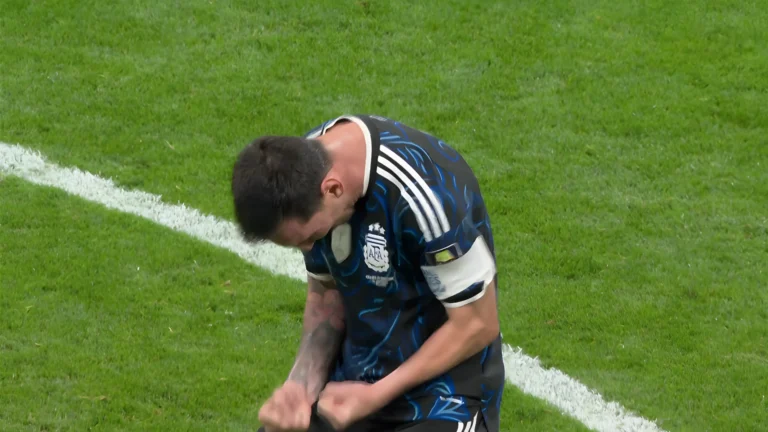
Perhaps no World Cup victory on the modern FIFA World Cup winners list carries more emotional weight than Argentina’s 2022 triumph. Lionel Messi, widely regarded as the greatest player of all time but long criticised for failing to win the World Cup, finally delivered in Qatar at the age of 35. The final against France was operatic in its drama — Argentina led 2–0 with 10 minutes to play, only for Kylian Mbappé to score twice in 97 seconds to level it. The match finished 3–3 after extra time, with Argentina winning 4–2 on penalties. It was the finest World Cup final ever played, and it gave Messi the one trophy his career had been missing.
Conclusion
The FIFA World Cup winners list is, in many ways, the spine of football history. Each name on that list — Uruguay, Italy, Brazil, England, West Germany, Argentina, France, Spain, Germany — represents not just a tournament victory, but a moment when an entire nation stopped and celebrated as one.
From Uruguay’s pioneering triumph in 1930 to Argentina’s breathtaking comeback in Qatar in 2022, the FIFA World Cup winners list has grown into the most prestigious record in world sport. It captures the stories of legendary coaches, iconic players, controversial moments, and the kind of pure sporting drama that only the World Cup can produce.
Eight nations. Twenty-two tournaments. Billions of supporters. The beauty of the FIFA World Cup winners list lies not just in who appears on it, but in the stories of how they got there — the sacrifices, the upsets, the tears, and the triumphs.
As the 2026 World Cup prepares to be hosted across the United States, Canada, and Mexico — the first tournament to feature 48 nations — the list is set to grow once more. New names may yet be added. New heroes will emerge. And football fans around the world will once again hold their breath, daring to dream that their nation might claim the next chapter of this extraordinary story.
Frequently Asked Questions (FAQs)
Which FIFA World Cup final went to penalties first?
The first World Cup final decided by penalties was in 1994, when Brazil beat Italy.
Has any team won the FIFA World Cup as a host nation?
Yes, several host nations have won it, including Uruguay, West Germany, Italy, England, France, and Argentina.
Which World Cup champion won with the smallest margin in the final?
Several finals were decided by just one goal, including West Germany in 1954 and Spain in 2010.
Which World Cup final had the highest scoreline?
The 1958 final, when Brazil beat Sweden 5–2, is one of the highest-scoring finals in World Cup history.
How many World Cup finals were decided in extra time?
Several finals went to extra time, including 1934, 1966, 1978, 2010, and 2014.
Which country has lost the most World Cup finals?
Germany and the Netherlands are among the teams that have reached multiple finals but lost more than once.
Has the same country ever won back-to-back World Cups?
Yes, Italy won back-to-back titles in 1934 and 1938, and Brazil did it in 1958 and 1962.
The FIFA World Cup winners list continues. The beautiful game plays on.
Also Read:-
How Much Does the FIFA World Cup Trophy Cost? Everything You Need to Know
Who Is the Greatest FIFA World Cup Player of All Time?
FIFA World Cup 2026 Predictions: 10 Teams Most Likely to Win

I’m a football writer, covering top leagues like the Premier League, La Liga, Bundesliga, Serie A, and Ligue 1. I write about match analysis, football news, tactics, and major tournaments such as the FIFA World Cup, delivering clear, engaging insights for fans.
About The Author
3 thoughts on “FIFA World Cup Winners List 1930-2022: Full Champions History”