Origins of La Liga: The Fascinating Story of Spain’s Football League
La Liga is one of the most prestigious football leagues in the world. It has produced legendary clubs like Real Madrid, FC Barcelona, and Atlético Madrid, and has been home to icons such as Lionel Messi, Cristiano Ronaldo, Alfredo Di Stéfano, and Johan Cruyff.
But before La Liga became a global football powerhouse watched by millions, it had humble beginnings in early 20th-century Spain.
In this article, we explore the origins of La Liga — how it was born, why it was needed, and what the first season looked like
The Birth of Organized Football in Spain
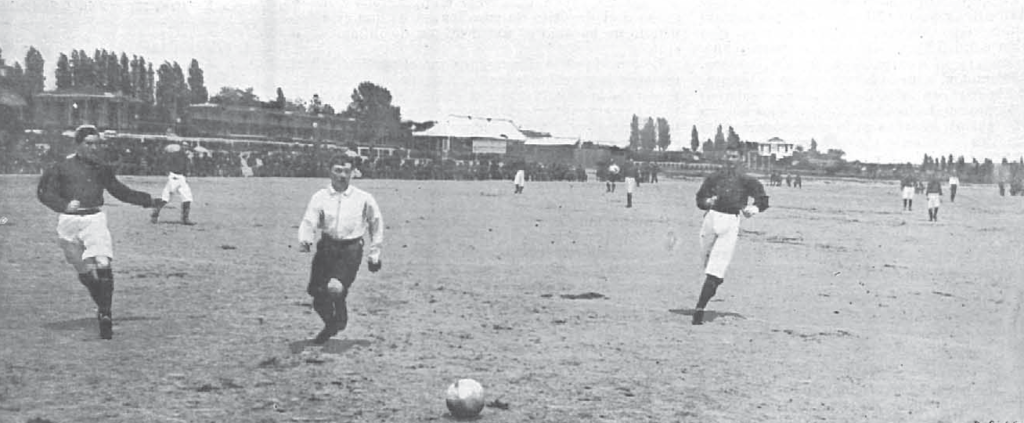
Football arrived in Spain in the late 19th century, mainly through British sailors, miners, and students who were living or working in Spanish port cities.
The sport quickly gained popularity in regions like:
- Catalonia
- Basque Country
- Madrid
- Andalusia
By the early 1900s, several clubs had already been founded.
Early Spanish Football Clubs
| Club | Founded | City |
|---|---|---|
| FC Barcelona | 1899 | Barcelona |
| Real Madrid | 1902 | Madrid |
| Athletic Club | 1898 | Bilbao |
| Atlético Madrid | 1903 | Madrid |
| Sevilla FC | 1890 | Seville |
These clubs initially played regional competitions rather than a national league.
The most important early tournament was the Copa del Rey (King’s Cup), founded in 1903.
Why Spain Needed a National League
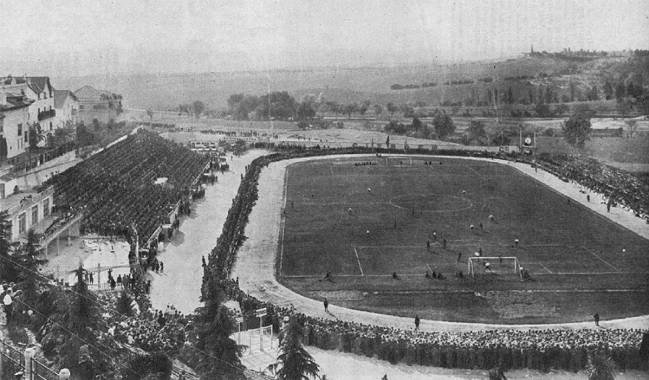
For the first few decades, Spanish football was fragmented.
Teams mainly competed in regional leagues, including:
- Catalan Championship
- Basque Championship
- Madrid Championship
- Andalusian Championship
While these tournaments were popular locally, they created several problems:
Problems With Regional Football
- No national champion
- Limited competition between regions
- Unequal recognition of clubs
- Less commercial growth
Football administrators began discussing the origins of La Liga, inspired by England’s Football League, which had been running since 1888.
The goal was simple:
Create a consistent nationwide competition where the best teams in Spain would compete every season.
The Man Behind the Creation of La Liga
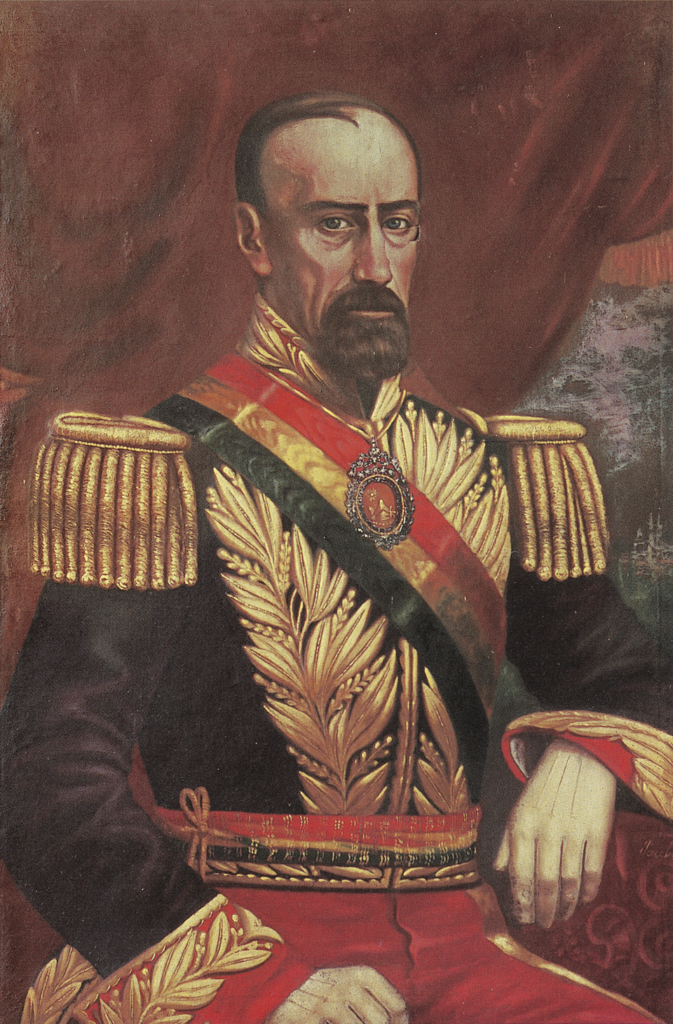
The person widely credited with proposing the idea of a Spanish league was José María Acha, a director of Arenas Club de Getxo. His proposal in 1927 is widely considered the official starting point of the origins of La Liga as an organised national competition.
In 1927, he proposed a structured national competition.
However, the idea immediately sparked major debates among Spanish clubs.
The Main Disagreement
The biggest issue was deciding which clubs should be allowed to join the new league.
Two competing proposals emerged:
| Proposal | Description |
|---|---|
| Elite League Proposal | Only clubs that had won the Copa del Rey |
| Open League Proposal | More clubs including strong regional teams |
After lengthy negotiations, the Spanish Football Federation created a compromise.
The first La Liga season would feature 10 teams.
The First La Liga Season (1929)
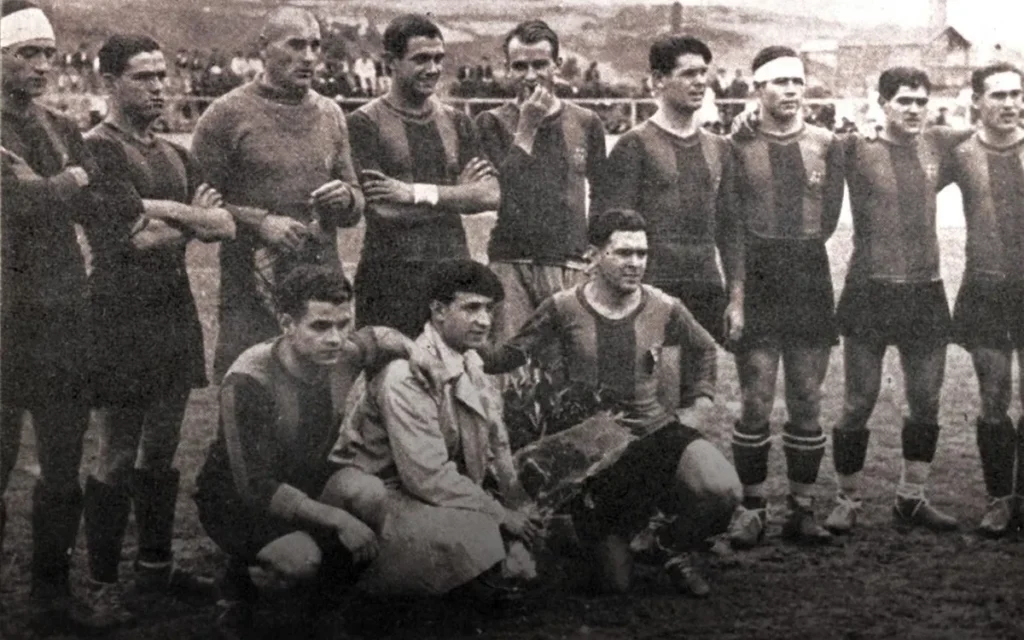
The origins of La Liga as a competitive league became real when the first season kicked off in February 1929 with 10 clubs.
Only 10 clubs participated, and each team played the others twice (home and away).
Teams in the First La Liga Season
| Club | City |
|---|---|
| FC Barcelona | Barcelona |
| Real Madrid | Madrid |
| Athletic Bilbao | Bilbao |
| Real Sociedad | San Sebastián |
| Arenas Club de Getxo | Getxo |
| Real Unión | Irún |
| Atlético Madrid | Madrid |
| Espanyol | Barcelona |
| CE Europa | Barcelona |
| Racing Santander | Santander |
Format of the First Season
| Feature | Details |
|---|---|
| Teams | 10 |
| Matches per team | 18 |
| Points for a win | 2 |
| Points for a draw | 1 |
| Champion | Most points |
At the end of the season, FC Barcelona became the first La Liga champion.
First La Liga Champions
| Season | Champion | Runner-up |
|---|---|---|
| 1929 | FC Barcelona | Real Madrid |
Barcelona finished with 25 points, narrowly beating Real Madrid by 2 points.
This victory marked the beginning of a legendary rivalry that would dominate Spanish football for decades.
Early Growth of La Liga
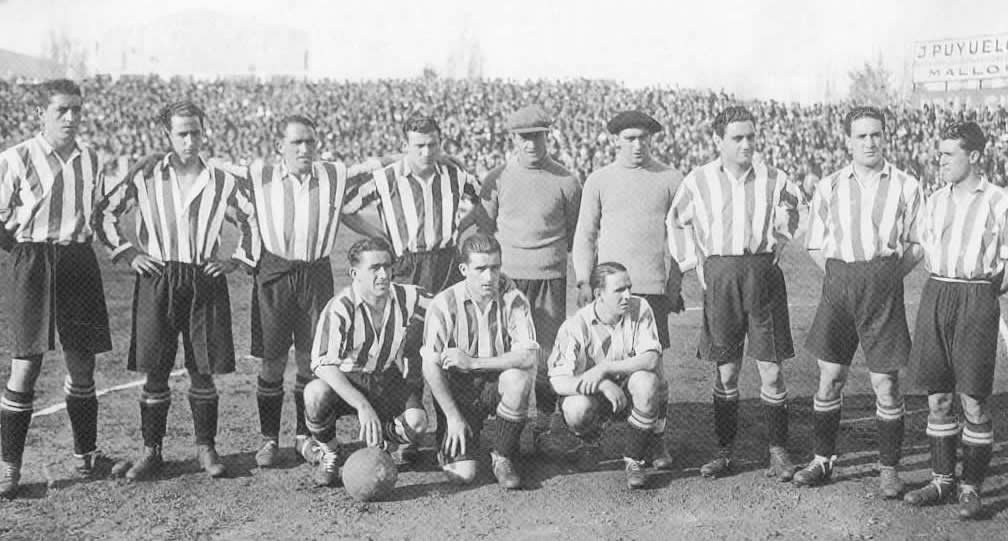
After the successful first season, La Liga began expanding.
Early Champions (1929–1936)
| Season | Champion |
|---|---|
| 1929 | Barcelona |
| 1929–30 | Athletic Bilbao |
| 1930–31 | Athletic Bilbao |
| 1931–32 | Real Madrid |
| 1932–33 | Real Madrid |
| 1933–34 | Athletic Bilbao |
| 1934–35 | Real Betis |
| 1935–36 | Athletic Bilbao |
During the early years, Athletic Bilbao dominated the league, thanks to their strong squad and tactical discipline.
The Spanish Civil War Impact
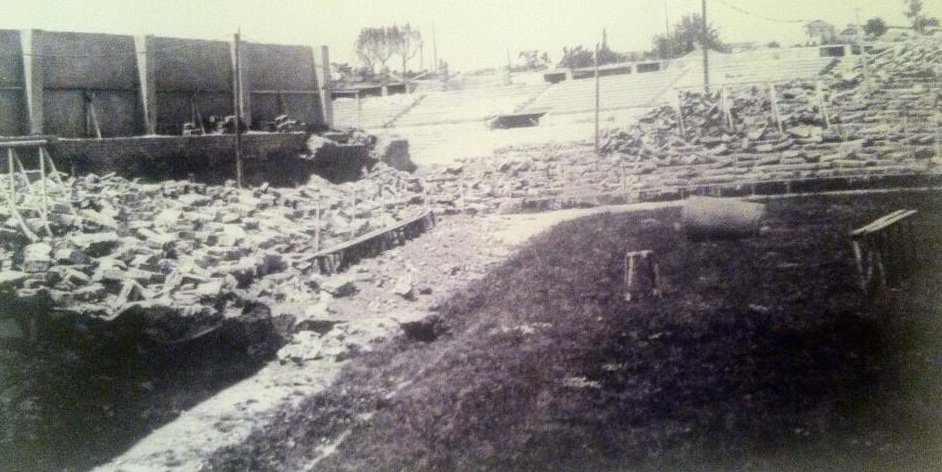
In 1936, the Spanish Civil War broke out, dramatically affecting the country, including football.
The league was suspended from 1936 to 1939.
Many players:
- Joined military units
- Went into exile
- Stopped playing football altogether
Several stadiums were also damaged during the conflict.
Despite these hardships, football returned in 1939, and La Liga resumed competition.
Post-War Expansion of La Liga
After the war, La Liga slowly expanded and evolved.
League Growth Over Time
| Year | Teams |
|---|---|
| 1929 | 10 |
| 1934 | 12 |
| 1950 | 16 |
| 1987 | 20 |
| Today | 20 |
This expansion allowed more clubs across Spain to participate in the top division.
The Rise of Legendary Clubs
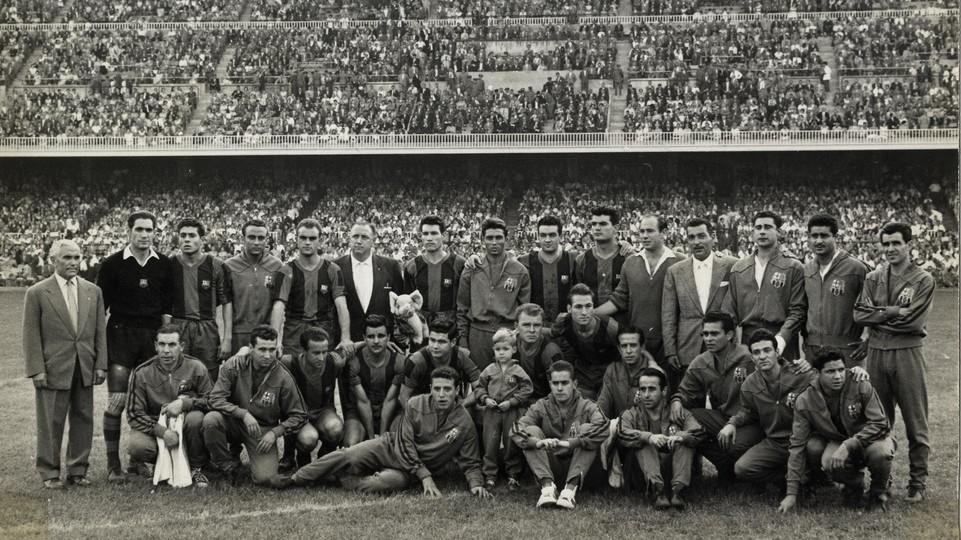
Over time, La Liga became dominated by a few powerhouse clubs.
Most Successful Clubs in La Liga History
| Club | Titles |
|---|---|
| Real Madrid | 35+ |
| Barcelona | 25+ |
| Atlético Madrid | 10+ |
| Athletic Bilbao | 8 |
| Valencia | 6 |
These clubs built global fanbases and helped turn La Liga into one of the most-watched leagues in the world.
Fun Facts About La Liga
⚽ 1. Barcelona Scored the First Goal in La Liga
The first goal in La Liga history was scored by José “Pitus” Prat of Espanyol in 1929.
⚽ 2. Athletic Bilbao’s Incredible Early Dominance
In the 1930–31 season, Athletic Bilbao scored 73 goals in only 18 matches, an incredible record for the time.
⚽ 3. The League Almost Had Only 6 Teams
Early discussions suggested starting the league with just six clubs, but officials later expanded it to ten.
⚽ 4. Real Betis Won the League Once Before the War
Real Betis shocked everyone by winning La Liga in 1934–35, becoming one of the few clubs outside the giants to win early titles.
⚽ 5. La Liga Was Inspired by England
Spain modeled its league system after the English Football League, which was already successful.
⚽ 6. Some Founding Clubs No Longer Play in La Liga
Clubs like Arenas Club de Getxo and CE Europa were founding members, but no longer play in the top division.
How La Liga Became a Global League

4
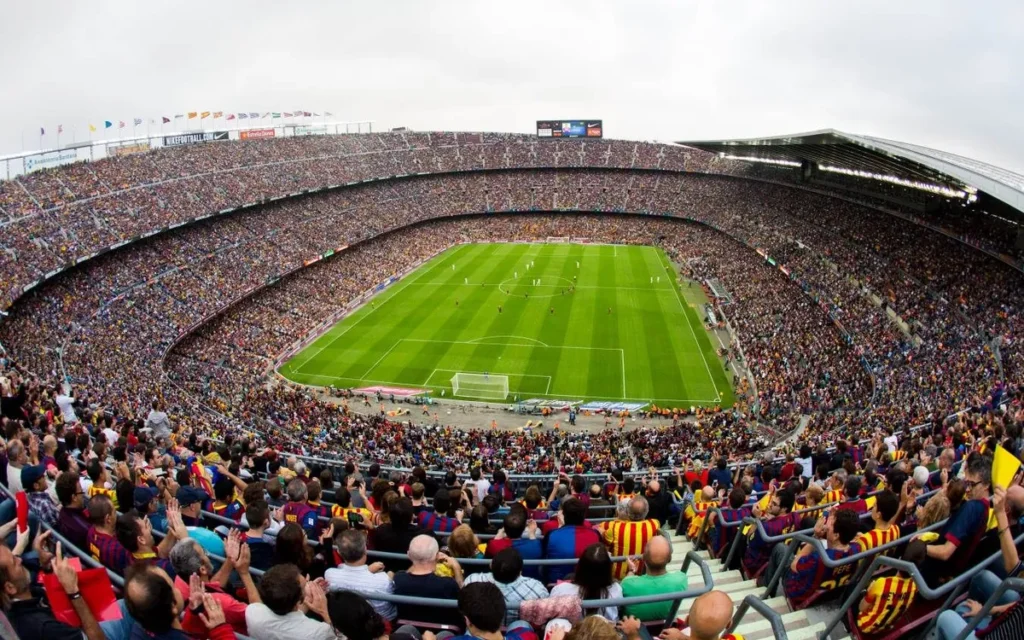
In the modern era, La Liga transformed into a global entertainment product.
Key factors behind this growth include:
- Television broadcasting deals
- International marketing
- Global superstar players
- Historic rivalries like El Clásico
Today, La Liga matches are watched in over 180 countries.
Why the Origins of La Liga Still Matter
The origins of La Liga are more than just a history lesson — they explain why Spanish football became the dominant force in world football.
The league’s history reflects:
- Spain’s regional diversity
- The political challenges of the 20th century
- The evolution of football from local sport to global business
What started as a 10-team experiment in 1929 eventually became one of the most influential football competitions in the world.
Conclusion
The origins of La Liga show how football grew from small regional competitions into a national league that now attracts millions of fans worldwide.
From the early days of British influence and regional tournaments to the first historic season in 1929, La Liga’s foundation helped shape the modern landscape of Spanish football.
Today, the league continues to produce legendary moments, unforgettable rivalries, and world-class players — proving that the vision of its founders nearly a century ago was truly revolutionary.
FAQs
Why was La Liga created?
La Liga was created to establish a national competition for Spain’s best football clubs instead of relying only on regional tournaments.
Which clubs were founding members of La Liga?
Some founding clubs included Barcelona, Real Madrid, Athletic Bilbao, Real Sociedad, Espanyol, and Atlético Madrid.
When was La Liga founded?
The origins of La Liga in 1929 set the stage for one of football’s greatest ever rivalries and the most-watched league in Europe.
Also Read:-
“La Liga Winners List (1929–2025): Complete Champions History”
“Top Scorers in La Liga History: All-Time Leading Goal Scorers Ranked”

I’m a football writer, covering top leagues like the Premier League, La Liga, Bundesliga, Serie A, and Ligue 1. I write about match analysis, football news, tactics, and major tournaments such as the FIFA World Cup, delivering clear, engaging insights for fans.
About The Author



3 thoughts on “Origins of La Liga: How Spain’s Football League Was Born”