Why Do FIFA World Cup Tickets Cost So Much? The Real Reason Fans Are Paying Premium Prices
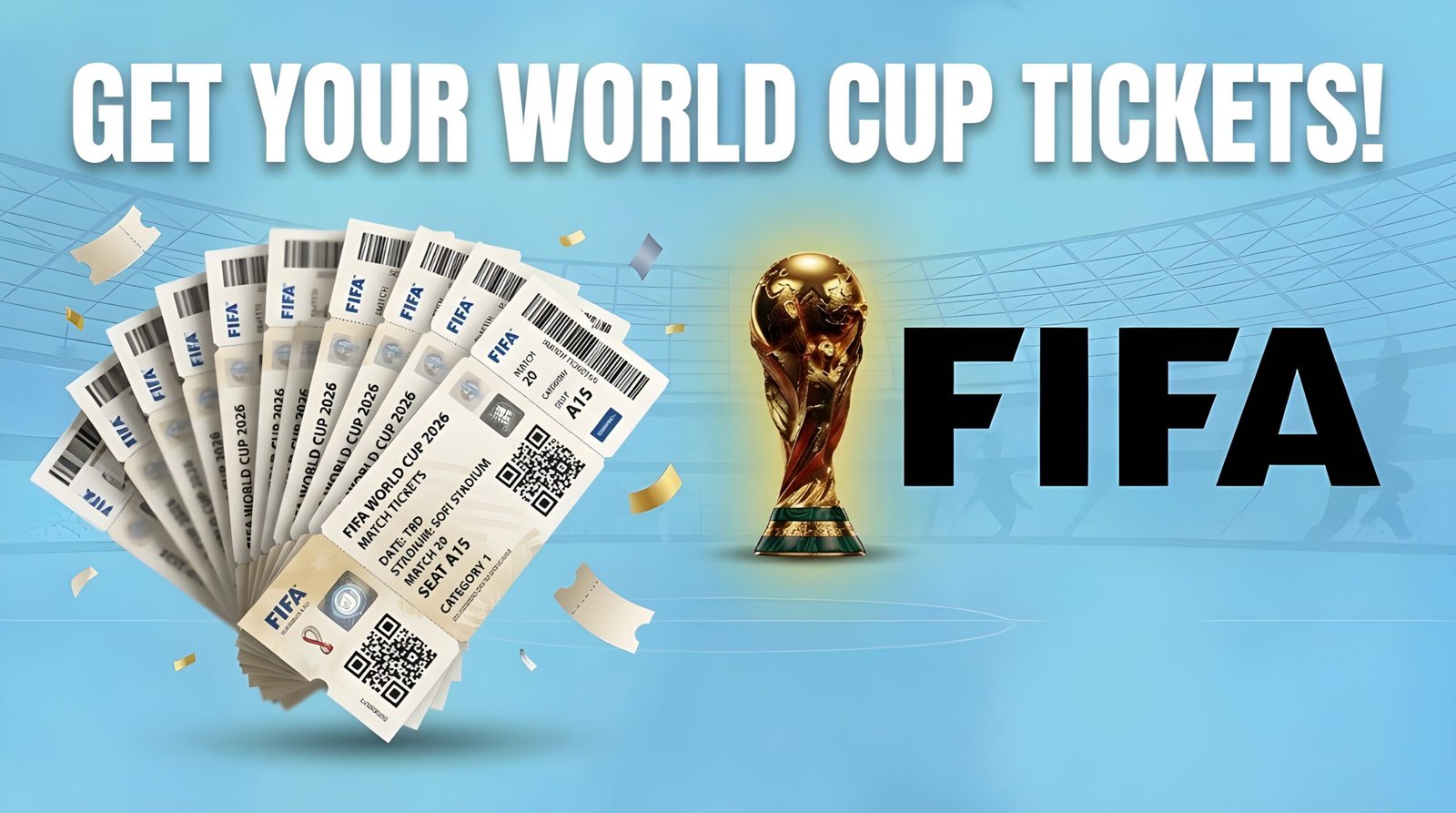
The excitement surrounding the FIFA 2026 World Cup is reaching fever pitch — and so are the prices. For millions of football fans around the world, getting their hands on FIFA World Cup Tickets has become a financial challenge unlike anything seen at previous tournaments. Whether you’re a lifelong supporter who has followed your national team through decades of heartbreak, or a casual fan hoping to witness footballing history in person, the sticker shock is undeniable. Understanding why requires a closer look at how FIFA is running the show in 2026.
The Price Shock: What Are FIFA World Cup Tickets Actually Costing?
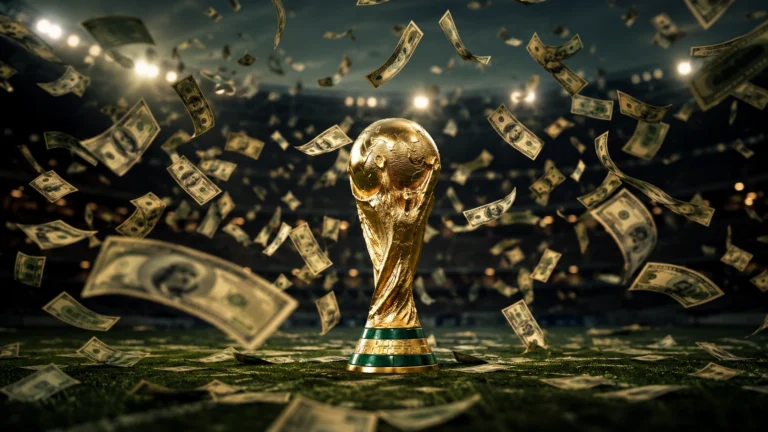
Let’s start with the number dominating headlines: $11,000. That’s what top-tier seats at the final in MetLife Stadium, New Jersey, are currently listed at — more than double the price ceiling from Qatar 2022, where the most expensive FIFA World Cup Tickets rarely exceeded $5,000–$6,000. Even the cheapest seat at the final is sitting above £3,000, which converts to roughly $3,800.
But it’s not just the final that’s eyewatering. FIFA World Cup Tickets across all rounds reflect a tournament that has been deliberately repositioned as a premium global entertainment product rather than a purely fan-driven celebration. With 48 teams, 104 matches, and a massive footprint spanning the United States, Canada, and Mexico, the 2026 edition is the largest World Cup in history — and FIFA is pricing it accordingly.
Supply, Demand, and Simple Math
At the heart of the FIFA World Cup Tickets affordability crisis is a straightforward imbalance: the number of people who want to attend massively outstrips available seating. FIFA generated approximately $686 million from around 3.18 million tickets sold at Qatar 2022. For 2026, the organization is reportedly targeting roughly double that ticket revenue, even though the match count has only grown modestly compared to global demand.
Hundreds of millions of football fans worldwide dream of watching a World Cup match live. A 104-game structure, however impressive, can only seat a fraction of them. Every available spot becomes a scarce commodity — and scarce commodities are expensive, especially when the primary host nation is the United States, where spending four or five figures on premium sporting events is entirely normalized.
Super Bowl tickets, NBA Finals seats, and major boxing bouts routinely fetch thousands. FIFA has calibrated its pricing model to match the spending habits of North American sports fans, and that recalibration is being felt by supporters everywhere from São Paulo to Seoul.
How FIFA’s Dynamic Pricing Model Works
One of the most significant changes for 2026 is the introduction of dynamic pricing — the same model used by airlines, concert promoters, and major sports leagues globally. This means the price of FIFA World Cup Tickets is not fixed at point of sale; it shifts based on how quickly seats are moving, how prestigious the fixture is, and when you’re buying.
Below is a simplified breakdown of how pricing is structured across categories and match types:
| Match Type | Category 4 (Budget) | Category 2–3 (Mid-Tier) | Category 1 (Premium) | VIP / Hospitality |
|---|---|---|---|---|
| Group Stage (smaller nations) | ~$60–$120 | ~$200–$400 | ~$500–$800 | $3,000+ |
| High-Profile Group Stage | ~$120–$265 | ~$400–$700 | ~$800–$1,500 | $5,000+ |
| Round of 32 / Knockout Rounds | ~$200–$400 | ~$600–$1,200 | ~$1,500–$3,000 | $7,000+ |
| Semi-Finals | ~$400–$600 | ~$1,000–$2,000 | ~$3,000–$5,000 | $10,000+ |
| Final — MetLife Stadium | ~$3,800+ | ~$5,000–$7,000 | ~$8,000–$11,000 | $15,000+ |
Prices are approximate and subject to market fluctuation.
The dynamic model rewards early buyers but creates real uncertainty. A ticket priced at $300 today can easily climb to $900 next month if demand for that fixture suddenly spikes — for example, if an underdog team unexpectedly qualifies for the knockout stages.
Who’s Getting the Best Seats — and Who Isn’t?
A substantial portion of the best seats never reach regular fans at all. Large blocks of Category 1 and Category 2 FIFA World Cup Tickets are pre-allocated to commercial partners, broadcasters, and corporate hospitality buyers as part of broader sponsorship and media rights agreements. For these entities, the tournament is a premium business-entertainment opportunity — not a lifelong footballing dream.
The result? Everyday supporters who have followed their teams through qualifying campaigns and regional championships find themselves competing for whatever’s left — which is often upper-tier or less centrally positioned seating. Supporter groups across Europe and Latin America have used words like “extortionate” to describe the situation, arguing that the soul of football is being auctioned off to the highest bidder.
FIFA has responded to this criticism by introducing $60 Category 4 tickets for all 104 matches — a genuine nod toward affordability. However, these seats are typically the furthest from the pitch, made available in limited quantities, and frequently distributed through national team fan clubs and association programs rather than open sales.
The Resale Market: Where Prices Go From High to Astronomical
For the first time in World Cup history, FIFA is operating its own official resale platform, allowing original buyers to relist FIFA World Cup Tickets at whatever price the market will bear. FIFA president Gianni Infantino has openly acknowledged that many ticket holders will flip their seats for profit — a candid admission that reveals much about how the organization views this tournament’s commercial identity.
On unofficial third-party resale platforms, the situation is even more extreme. Final-match tickets have appeared at double or triple face value. Knockout-round seats featuring marquee clashes between major footballing nations have followed the same trajectory. The result is a speculative feedback loop: official prices rise, more fans are pushed toward the secondary market, and that secondary market responds by inflating prices even further.
This dynamic transforms FIFA World Cup Tickets from a sports access product into a tradeable financial asset — one that well-funded speculators are better positioned to exploit than passionate fans on normal budgets.
The Real Cost of Attending: Beyond the Ticket Price
Even if you secure FIFA World Cup Tickets at face value, they represent just the opening line in a much longer budget. For international fans, the full cost of attending a handful of matches can look something like this:
| Expense Category | Estimated Cost Range |
|---|---|
| Match Tickets (2–3 games) | $500 – $5,000+ |
| Return International Flights | $800 – $2,000+ |
| Hotel Accommodation (5–7 nights) | $1,500 – $4,000+ |
| Daily Expenses (food, transport, sightseeing) | $100 – $200/person/day |
| Estimated Total — Family of Four | $10,000 – $30,000+ |
Host cities including Los Angeles, New York, Toronto, and Mexico City operate on what hospitality industry experts call an “event premium” model during major tournaments. Hotels that normally charge $150 per night can spike to $400–$600 or more during the World Cup window. Combined with flights and daily expenses, a family trip to watch two or three matches can easily run into five figures before a single VIP upgrade is considered.
Which Matches Will Cost You the Most?
Not all FIFA World Cup Tickets are created equal. Prices vary enormously depending on the stage of the tournament, the teams involved, and the host city. Here’s a practical guide:
Highest Prices:
- The Final — MetLife Stadium, East Rutherford, New Jersey
- Semi-finals featuring top-ranked European or South American nations
- Quarter-finals with global superpowers (France, Brazil, Spain, Argentina, Germany)
High Demand, High Cost:
- Opening matches for co-hosts USA, Canada, and Mexico
- Marquee group-stage clashes (e.g., Brazil vs. Germany, France vs. Argentina)
- Any Round of 16 tie with a compelling underdog narrative
Most Affordable Options:
- Early group-stage games featuring smaller or less commercially prominent nations
- Midweek fixtures with lower broadcast significance
- Matches in venues outside the main spotlight cities
Smart Tips for Buying FIFA World Cup Tickets on a Budget
Despite the challenging pricing landscape, attending is still possible with smart planning. Here’s what experienced fans recommend:
- Buy early. Dynamic pricing means the lowest rates are available before demand drives prices up. Procrastination is expensive.
- Target less-hyped group-stage games. Fixtures between smaller nations carry lower base prices and better availability windows.
- Register with your national team’s official fan club. Many of the $60 Category 4 allocations flow through these channels before reaching the open market.
- Use FIFA’s official resale platform exclusively. Third-party sites not only charge inflated markups — they also carry meaningful scam risks.
- Be flexible on venue. Cities with higher stadium capacities or lower tourist appeal tend to offer cheaper options across all categories.
- Consider individual match tickets over multi-game packages — unless you’re confident you’ll attend every fixture in the bundle, single-match purchases can offer better per-game value.
The Bigger Picture: Is FIFA Losing Its Fans?
The ongoing debate around FIFA World Cup Tickets pricing touches something far deeper than economics. Football has historically prided itself on being the people’s game — democratically accessible, intensely passionate, and genuinely global. When the cheapest seat at the showpiece final costs nearly $4,000, a serious question emerges about who this tournament is ultimately designed for.
FIFA’s counter-argument rests on the $60 base-tier tickets and the expanded 104-match schedule, which collectively offer more access points than any previous World Cup. But for the devoted supporter in Buenos Aires, Lagos, Manila, or Dhaka who has spent a lifetime dreaming of watching their team on football’s biggest stage, affordability remains a distant horizon regardless of how the official math is framed.
What is certain is that the 2026 tournament will be the most commercially ambitious in the history of the sport. Whether that ambition comes at the cost of the authentic fan experience is a question that will be answered — one overpriced ticket at a time.
FAQs
How much do FIFA World Cup Tickets cost in 2026?
Prices vary widely depending on the match and seat category. Budget Category 4 tickets start at around $60 for group-stage games, while mid-tier seats for high-profile knockout matches range from $600 to $3,000. The most expensive tickets — top-tier seats for the final at MetLife Stadium — are listed at approximately $11,000, making 2026 the priciest World Cup in history.
When will FIFA World Cup 2026 Tickets go on sale to the general public?
FIFA has been releasing tickets in phases through its official website at FIFA.com. General sales windows open periodically, though high-demand fixtures often sell out quickly. It is strongly recommended to create a FIFA account in advance, register your interest early, and check the official site regularly for new sales windows and last-minute inventory releases.
Can I resell my FIFA World Cup 2026 Tickets if I can no longer attend?
Yes. For the first time at a World Cup, FIFA is operating an official resale platform where ticket holders can list their seats for resale. This is the safest and most legitimate channel to use. Selling or buying through unofficial third-party platforms carries the risk of scams, invalid tickets, and significantly inflated prices, so FIFA’s official resale marketplace is always the recommended route.
Which matches have the cheapest FIFA World Cup 2026 Tickets?
The most affordable tickets are generally found at early-round group-stage games featuring smaller or less commercially prominent nations, particularly at venues outside the major spotlight cities like Los Angeles and New York. Midweek fixtures with lower broadcast significance also tend to carry lower prices. Category 4 seats for these games can start as low as $60, making them the best entry point for budget-conscious fans.
Is it safe to buy FIFA World Cup 2026 Tickets from third-party resale websites?
It carries significant risk. Unofficial resale platforms are not endorsed by FIFA, and counterfeit or invalid tickets are a genuine concern. Prices on these sites frequently run two to three times the official face value, particularly for high-demand matches. To protect both your money and your match-day experience, always purchase through FIFA’s official ticketing portal or its authorized resale platform. If a deal looks too good to be true, it almost certainly is.

I’m a football writer, covering top leagues like the Premier League, La Liga, Bundesliga, Serie A, and Ligue 1. I write about match analysis, football news, tactics, and major tournaments such as the FIFA World Cup, delivering clear, engaging insights for fans.
About The Author