
The Origins of Serie A: The Story Behind Italy’s Iconic Football League
Serie A is widely regarded as one of the most prestigious football leagues in the world. Known for its tactical brilliance, legendary clubs, and historic rivalries, Italy’s top division has shaped the global football landscape for more than a century.
But before the league became home to giants like Juventus, AC Milan, and Inter Milan, Italian football went through a fascinating evolution.
The story of Serie A begins in the late 19th century, when football was still a foreign sport introduced by British sailors and traders. From small regional tournaments to a nationwide professional competition, the league’s journey reflects Italy’s cultural, social, and sporting transformation.
In this article, we explore how Serie A was created, its early tournaments, the shift to professionalism, and the key moments that built one of football’s most iconic leagues.
The Early Days of Football in Italy
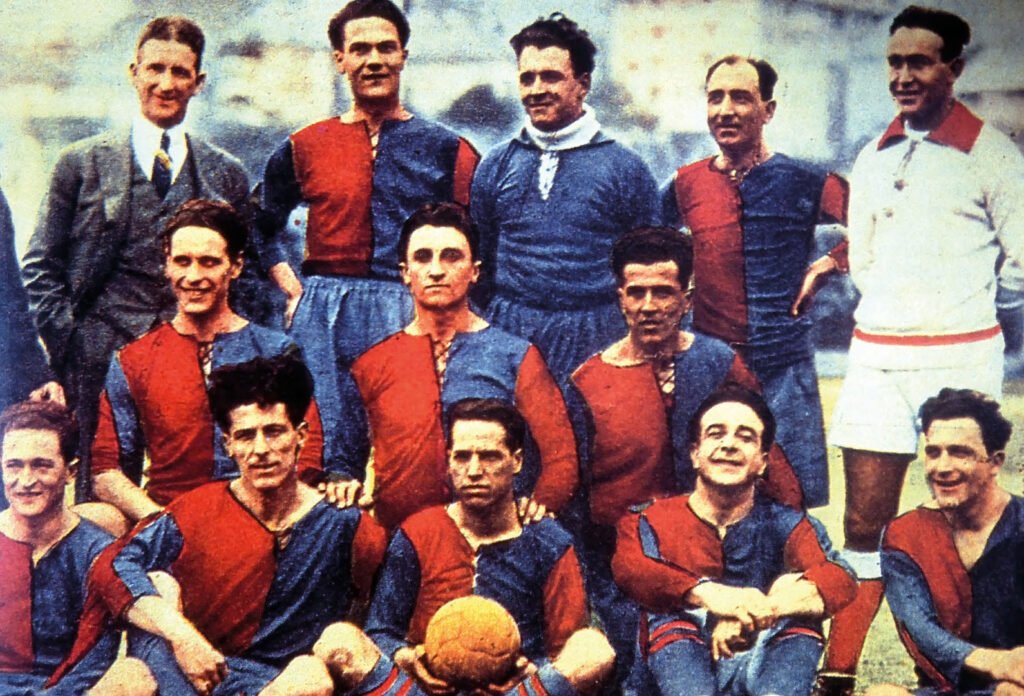
Football arrived in Italy during the late 1800s, largely through British merchants working in port cities such as Genoa and Turin.
One of the earliest clubs formed was Genoa Cricket & Football Club, established in 1893. Initially created as a club for British expatriates, it soon opened to Italian players and became a pioneer of Italian football.
Other clubs quickly followed, helping the sport spread throughout northern Italy.
Early Football Clubs in Italy
| Club | Founded | City | Notes |
|---|---|---|---|
| Genoa CFC | 1893 | Genoa | Italy’s oldest football club |
| Juventus | 1897 | Turin | Founded by students |
| AC Milan | 1899 | Milan | Established by English expatriates |
| Inter Milan | 1908 | Milan | Created after a split from AC Milan |
These early teams formed the foundation of Italy’s football culture.
The First Italian Football Championship (1898)
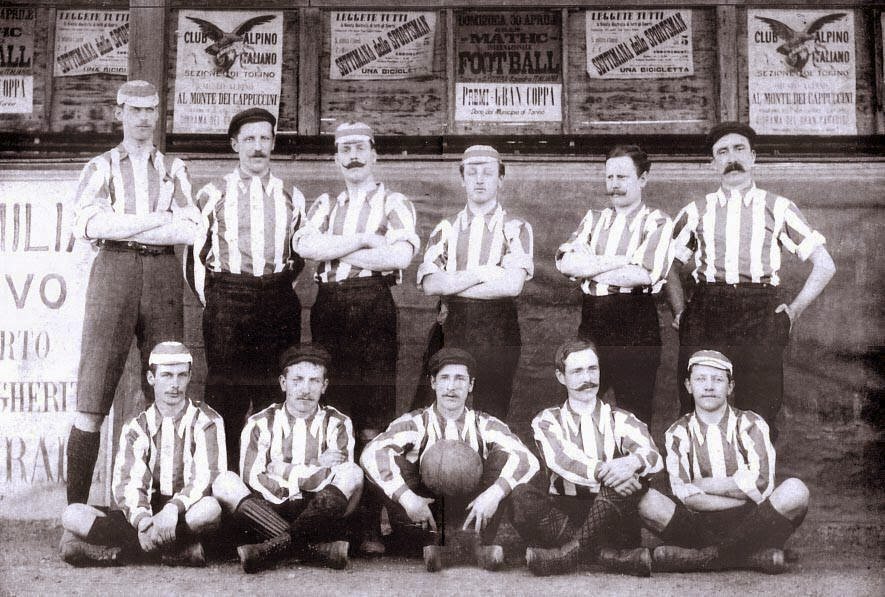
The first official Italian football championship was held in 1898.
The competition was organised by the Italian Football Federation (FIGC) and featured only four teams, all from northern Italy.
Teams in the First Championship
| Team | City |
|---|---|
| Genoa | Genoa |
| Internazionale Torino | Turin |
| Ginnastica Torino | Turin |
| FC Torinese | Turin |
The tournament took place in Turin on a single day and consisted of knockout matches.
Genoa won the tournament, becoming Italy’s first national champions.
This victory marked the beginning of organised football competitions in the country.
Fun Fact ⚽
Genoa dominated early Italian football, winning six of the first seven championships between 1898 and 1904.
Regional Championships Era (1900–1920)
As football grew in popularity, more teams joined competitions.
Instead of a single national league, Italy organized football through regional championships. Teams competed within their region, and the winners advanced to the national playoffs.
Structure of Early Italian Football
| Stage | Description |
|---|---|
| Regional leagues | Teams played within geographic regions |
| Northern league | Strongest teams from northern Italy |
| National final | Winners faced each other for the title |
Northern Italy dominated during this era because the sport was still developing in the south.
Cities like Turin, Milan, and Genoa became the centers of Italian football.
The Rise of Legendary Clubs
By the early 1900s, several clubs began establishing themselves as dominant forces.
Key Early Clubs
| Club | Achievements |
|---|---|
| Juventus | Became one of the most successful clubs in Italy |
| AC Milan | Early champions and major rivals to Inter |
| Inter Milan | Known for international recruitment |
| Genoa | Dominated early championships |
These clubs would later become core pillars of Serie A.
Fun Fact ⚽
The name “Internazionale” was chosen because the founders wanted a club open to players from all nationalities.
The Push for a National League
By the 1920s, Italian football had grown dramatically. The regional system had several problems:
- Too many teams
- Uneven competition levels
- Long and complicated playoff structures
Fans and officials wanted a modern national league similar to England’s Football League.
In 1926, the Italian government introduced reforms to reorganize football competitions.
These reforms eventually led to the creation of a single national league format.
Birth of Serie A (1929)
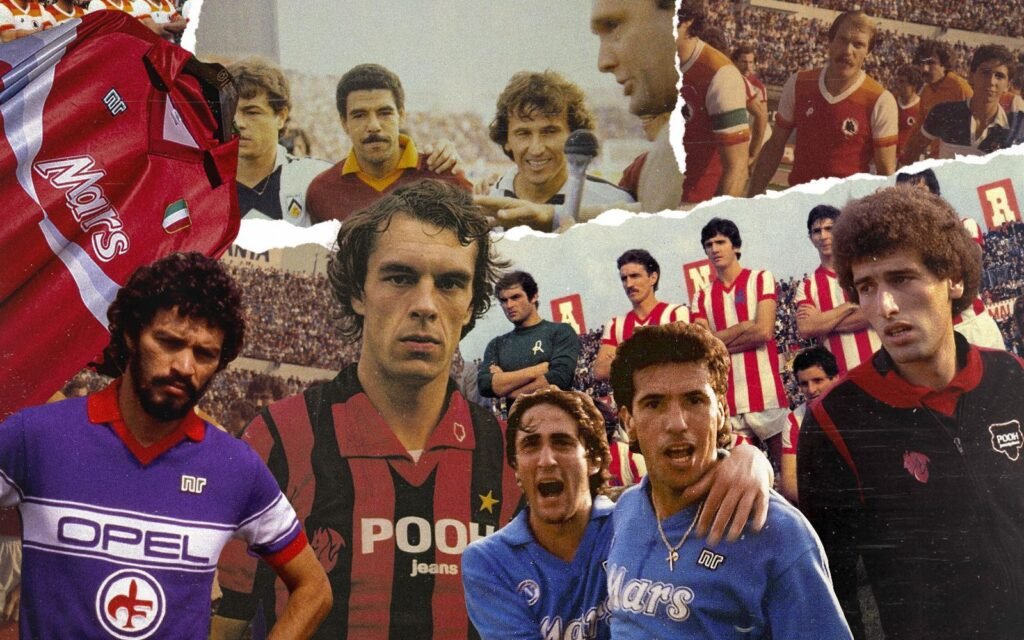
The modern Serie A league format officially began in the 1929–30 season.
For the first time, Italy adopted a round-robin league system, where every team played each other home and away.
Key Features of the New Serie A
| Feature | Description |
|---|---|
| Start year | 1929 |
| Format | Round-robin |
| Teams | 18 |
| Matches | Home and away |
This format made the league more competitive and easier for fans to follow.
Teams in the First Serie A Season
| Club |
|---|
| Juventus |
| Inter Milan |
| AC Milan |
| Roma |
| Napoli |
| Genoa |
| Lazio |
| Bologna |
| Fiorentina |
| Torino |
| and others |
Fun Fact ⚽
Inter Milan won the first Serie A title in the modern format (1929–30).
Serie A in the 1930s: Growth and Popularity
The 1930s were crucial for the development of Serie A.
Football became increasingly popular across Italy, and stadiums began attracting large crowds.
Several clubs emerged as dominant forces during this period.
Dominant Clubs of the 1930s
| Club | Titles in the 1930s |
|---|---|
| Juventus | 5 consecutive titles |
| Bologna | 4 championships |
| Inter Milan | Multiple titles |
Juventus achieved a historic milestone by winning five consecutive league titles between 1931 and 1935.
The Impact of World War II
Like many European competitions, Serie A faced disruption during World War II.
Some seasons were suspended, while others were played under modified formats due to travel restrictions and wartime conditions.
However, football remained an important source of morale for the Italian public.
Post-War Revival of Serie A
After the war ended in 1945, Serie A returned stronger than ever.
Italian clubs began rebuilding, and the league entered a golden era.
Major stars and tactical innovations helped Serie A become one of the most respected leagues in the world.
The Rise of Tactical Football
Italian football became famous for its tactical sophistication, particularly the defensive system known as “Catenaccio.”
This strategy emphasized:
- Strong defensive organization
- Counterattacking football
- Tactical discipline
Italian teams used these tactics to achieve success both domestically and internationally.
Legendary Players Who Shaped Early Serie A
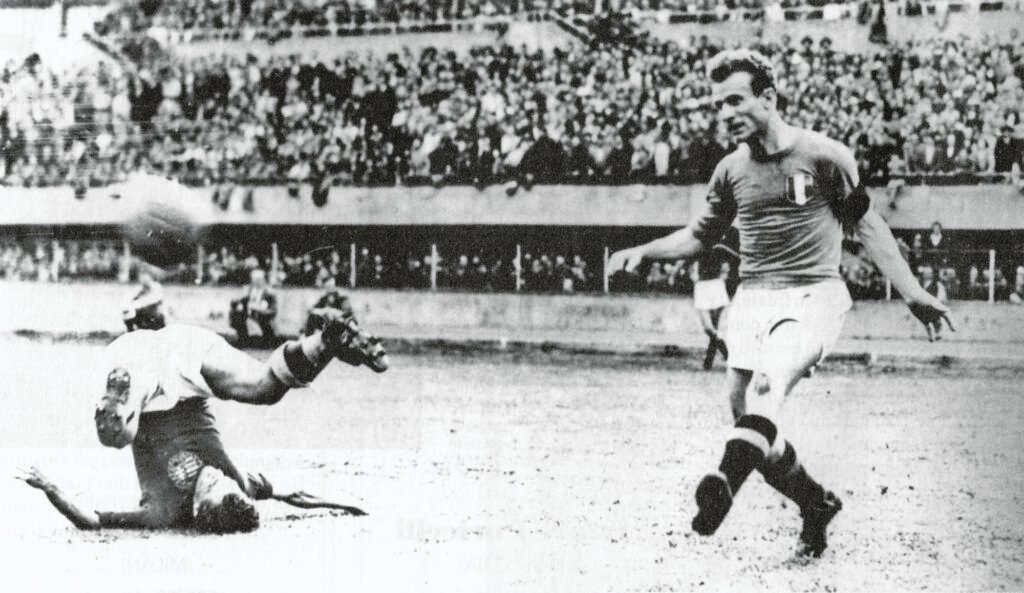
Several legendary players helped build the reputation of Serie A.
Early Icons
| Player | Club | Legacy |
|---|---|---|
| Giuseppe Meazza | Inter Milan | One of Italy’s greatest players |
| Valentino Mazzola | Torino | Leader of the legendary “Grande Torino” |
| Silvio Piola | Lazio | One of Serie A’s top scorers |
Their performances elevated the league’s status globally.
Fun Fact ⚽
The San Siro Stadium in Milan was originally built in 1926 and later became one of the most iconic stadiums in world football.
Serie A’s Influence on Global Football
By the mid-20th century, Serie A had developed a reputation for:
- Tactical excellence
- Legendary clubs
- Passionate fan culture
Italian teams began dominating European competitions, and Serie A attracted players from around the world.
The league would eventually become home to global icons such as:
- Diego Maradona
- Michel Platini
- Paolo Maldini
- Roberto Baggio
Timeline of Serie A’s Origins
| Year | Event |
|---|---|
| 1893 | Genoa CFC founded |
| 1898 | First Italian championship |
| 1900s | Regional competitions dominate |
| 1926 | Italian football reforms |
| 1929 | The modern Serie A league was created |
| 1930s | Juventus dominates with five titles |
Why Serie A Became So Successful
Several factors helped Serie A grow into a global football powerhouse.
1. Strong Club Foundations
Historic clubs like Juventus, Milan, and Inter provided stability and competitiveness.
2. Tactical Innovation
Italian coaches revolutionized football strategy.
3. Passionate Fans
Football culture in Italy is deeply tied to local identity and pride.
4. Iconic Rivalries
Matches like the Derby della Madonnina (Inter vs Milan) became world-famous spectacles.
The Legacy of Serie A
Today, Serie A stands as one of football’s most historic leagues.
From its humble beginnings in 1898 to the creation of the modern league in 1929, the journey of Serie A reflects the growth of football itself.
The league has produced:
- legendary players
- unforgettable matches
- historic clubs
- tactical innovations
For fans around the world, Serie A represents tradition, passion, and football excellence.
Conclusion
The origins of Serie A tell a fascinating story of how football grew from a small sport played by expatriates into one of the most influential leagues in the world.
Through early championships, regional competitions, and major reforms, Italian football evolved into the modern Serie A league we know today.
More than a century later, the league continues to captivate millions of fans with its rich history, iconic clubs, and legendary players.
Understanding its origins not only reveals the roots of Italian football but also shows how the sport became a global phenomenon.
FAQs
Which club won the first Serie A title?
Inter Milan won the first Serie A title in the modern league format during the 1929–30 season.
When did the first national football competition in Italy take place?
The first national football competition in Italy was held in 1898 in Turin. It featured only four teams and was completed in a single day, with Genoa Cricket and Football Club winning the inaugural title.
Which clubs played a major role in shaping early Italian football?
Several historic clubs helped shape early Italian football, including Genoa, Juventus, AC Milan, and Inter Milan. These teams dominated the early championships and contributed to the development and popularity of the sport across the country.