From Shot-Stopper to Playmaker: How the Sweeper Keeper Redefined Football Tactics in the Modern Era
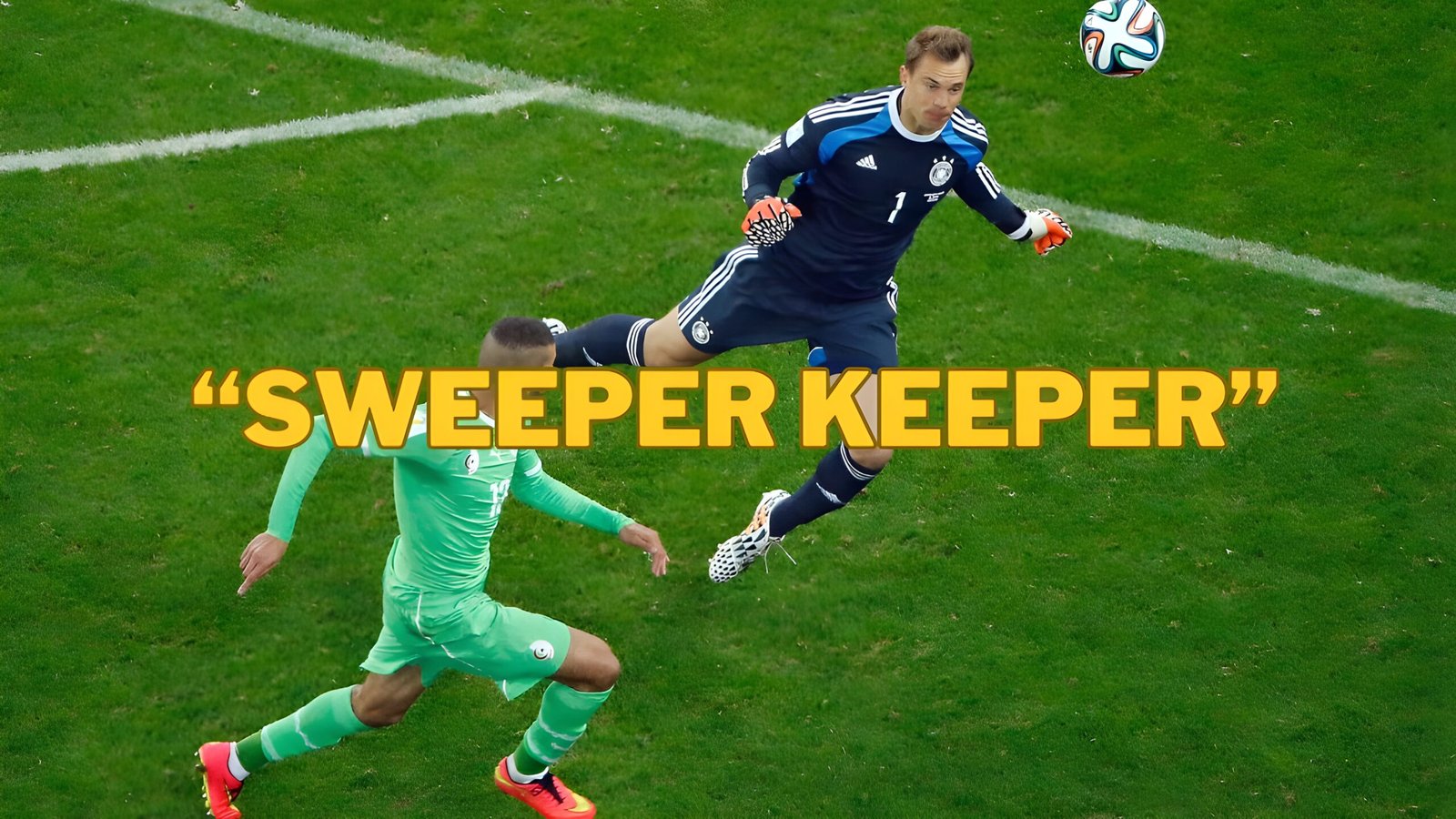
For decades, the goalkeeper was seen as a specialist locked between the posts, a reactive last line of defense. But today, watch any top‑level match, and you’ll see something different: a keeper darting out of the box, intercepting passes, and starting attacks like a central defender. This is the sweeper keeper—a role that has not only changed how teams defend but also how they build from the back and press the opponent.
What Exactly Defines a Sweeper Keeper, and How Is It Different from a Traditional Goalkeeper?
A sweeper keeper is a goalkeeper who regularly operates beyond the penalty area, acting like an extra defender by “sweeping up” loose balls, cutting through passes, and providing an outlet for possession. Instead of staying rooted near the goal line, the sweeper keeper reads the game proactively, anticipates long diagonal passes, and steps into space to clear or claim the ball before the attacker can turn on it.
Compared to a traditional goalkeeper, the sweeper keeper is far more involved in the team’s structure. A classic keeper focuses on shot‑stopping, one‑on‑one situations, and commanding the box; the sweeper keeper adds ball‑playing abilities, spatial awareness, and comfort in tight spaces. They are often the first line of build‑up, receiving passes from defenders, using their feet to bypass the first press, and launching quick counters or controlled transitions. This shift turns the goalkeeper from a pure safety net into an active participant in both defense and attack.
Why Did the Sweeper Keeper Emerge, and How Did Manuel Neuer Change the Way Football Is Played?
The idea of a goalkeeper roaming off their line isn’t brand‑new—players like Sepp Maier and Gyula Grosics occasionally played like defenders in the 1960s and 70s—but it only became a central tactical concept in the 2010s. The upward trend of high defensive lines, possession‑based football, and intense pressing created a need for a keeper who could cover the extra space behind the back four.
Few players embody this shift better than Manuel Neuer. At Bayern Munich and for Germany, Neuer redefined the position by constantly stepping out of the box, intercepting passes, and acting as a fifth defender. His performance in the 2014 World Cup, especially against Brazil in the semifinal, showed how dangerous a goalkeeper can be when integrated into the defensive shape. Coaches noticed that Neuer’s presence allowed them to raise the line, compress the pitch, and suffocate opponents in their own half. From that point on, the “sweeper keeper” became a blueprint, not just an experiment.
What Skills, Traits, and Tactical Understanding Does a Modern Sweeper Keeper Need to Succeed?
Playing as a sweeper keeper demands more than reflexes and shot‑stopping; it requires a basket of skills typically associated with outfield players. First, exceptional footwork and distribution are essential. A sweeper keeper must be comfortable passing under pressure, switching play with long diagonals, and finding midfielders or full‑backs between the lines. Many elite sweepers now have completion rates that rival central defenders.
Second, positioning and anticipation are critical. A keeper who rushes out too often can leave the goal empty, so reading the opponent’s body language, judging the trajectory of through‑balls, and timing their runs are non‑negotiable. Third, bravery and decision‑making come into play. Choosing between racing out to clear or holding deep, or deciding whether to play short or long, can decide the outcome of a match.
Today’s top examples include Manuel Neuer, Marc‑André ter Stegen, Alisson Becker, and Ederson Moraes. Each brings slight nuances—Neuer’s aggressiveness, Alisson’s composure, Ederson’s range of passing—but they all share the same core: a goalkeeper who thinks like a defender, moves like one, and often starts the attack like a midfielder.
How Has the Rise of the Sweeper Keeper Reshaped Defensive Systems, High Pressing, and Build‑Up Play in Today’s Game?
The sweeper keeper has become a key enabler of high‑risk, high‑reward tactics. Because a confident keeper can cover space behind the line, teams feel safer pushing their back four higher up the pitch. This allows them to compress the opponent in their own half, prevent easy counter‑attacks, and force errors closer to the rival’s goal. In systems that rely on high pressing and possession dominance, having a keeper you can pass to is a huge advantage.
Modern coaches like Pep Guardiola and Jürgen Klopp exemplify this shift. At City and Liverpool, the goalkeeper is effectively an extra outfield player, often positioned just outside the box, receiving the ball from defenders under pressure. This not only bypasses the first line of the press but also forces the opponent to commit more players forward, creating space elsewhere. Beyond elite clubs, this idea has spread down the pyramid, influencing how youth academies and lower‑division teams structure their build‑up and defensive organization.
In the long run, the sweeper keeper has turned the last line of defense into the first line of attack. Coaches now evaluate goalkeepers not just on clean sheets, but on passing accuracy, decision‑making, and spatial sense. This evolution means that any team serious about dominating the modern game must have a keeper who can sweep, pass, and lead—not just save.
The Keeper as a Key Tactical Piece in Modern Football
The sweeper keeper is no longer a niche experiment; it’s a standard expectation at the top level of football. What began as an extension of a high‑line philosophy has become a core part of how teams defend, press, and build from the back. A keeper who can read the game like a defender, pass like a midfielder, and still make crucial saves is now one of the most valuable assets a manager can have.
As tactics continue to evolve, the sweeper keeper role will likely keep pushing boundaries—perhaps even further into the midfield or more deeply integrated into positional play. For fans and analysts, understanding this position is essential to understanding modern football itself. The sweeper keeper has proven one thing beyond doubt: the goalkeeper is no longer just a specialist; they are a tactical centerpiece of the entire system.

I’m a football writer, covering top leagues like the Premier League, La Liga, Bundesliga, Serie A, and Ligue 1. I write about match analysis, football news, tactics, and major tournaments such as the FIFA World Cup, delivering clear, engaging insights for fans.
About The Author


1 thought on “What Is a Sweeper Keeper? How This Revolutionary Goalkeeper Role Transformed Modern Football Tactics Forever”