FIFA World Cup 2026 Top Teams: Why This Could Be the Most Competitive Ever
The FIFA World Cup 2026 is shaping up to be unlike any tournament in football history. For the first time, the competition will feature 48 nations across a tri-nation host setup spanning the United States, Canada, and Mexico — adding more stadiums, more fans, and considerably more chaos to the mix. The expanded format introduces 12 groups of four teams, meaning more paths to the knockout rounds and fewer guaranteed safe passages for the traditional heavyweights.
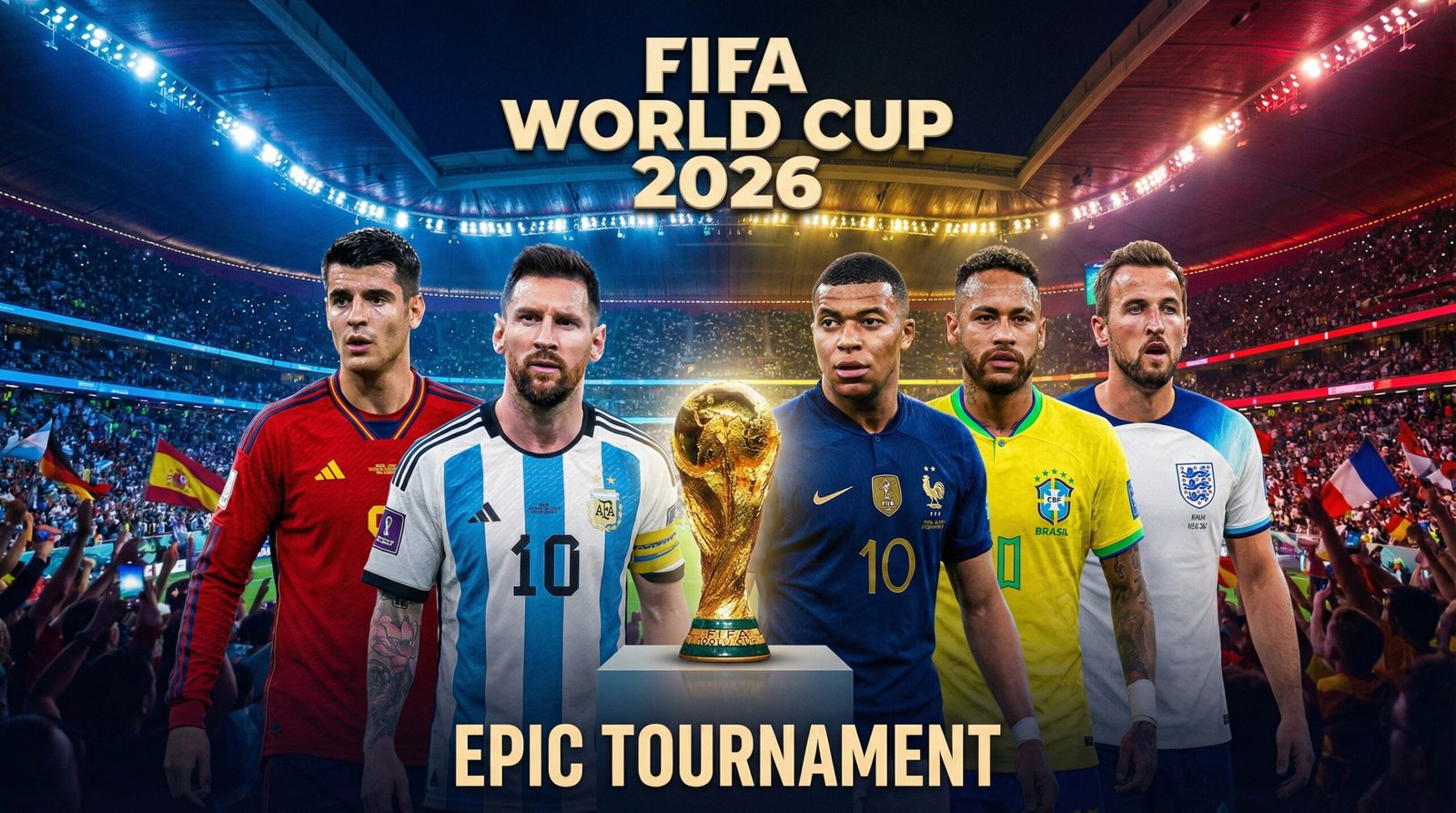
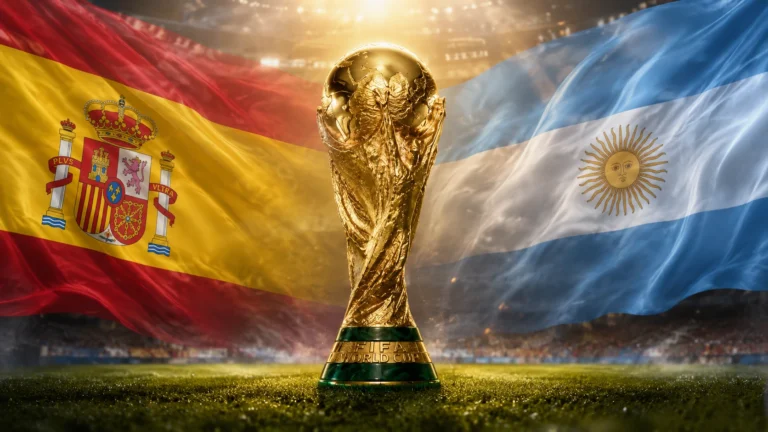
The top teams for the FIFA World Cup 2026 — Spain, Argentina, France, England, and Brazil — enter as the headline acts. But in a 48-team field, upsets are no longer surprises; they’re scheduled. This guide breaks down the contenders, the qualified teams, the betting odds, and the bold predictions you need ahead of the summer showdown.
Spain: A New Golden Generation Emerging
What are the standout players for Spain’s 2026 World Cup squad?
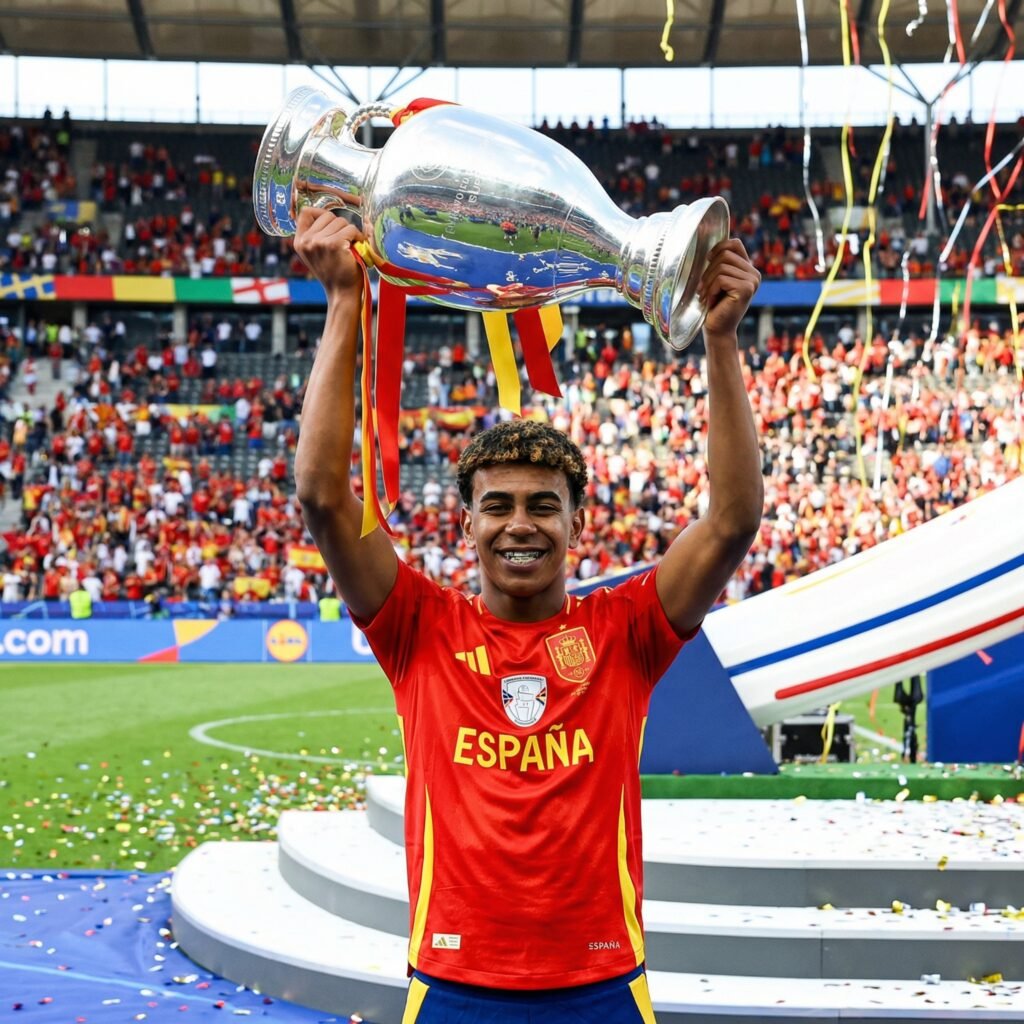
Spain arrives in 2026 not just as Euro 2024 champions but as a team in the middle of a generational handover that appears to be going rather smoothly. Under Luis de la Fuente, the side has retained its hallmark midfield control and possession football while injecting serious youthful energy. Pedri, Yamal, and Nico Williams are the names that opposition coaches are building game plans around — a trio whose combined age barely clears 60.
Tactically, Spain continues to press high, recycle possession with eerie efficiency, and create numerical superiority through movement rather than brute force. Among the World Cup 2026 favourites, they arguably carry the most coherent footballing identity. Spain is many analysts’ pick as the FIFA World Cup 2026 top teams’ favourite heading into the summer
Key strengths: relentless midfield pressing, elite ball retention, and emerging world-class wide forwards.
Argentina: Can the Champions Defend Their Crown?
How has Lionel Messi’s form evolved since the 2022 World Cup?
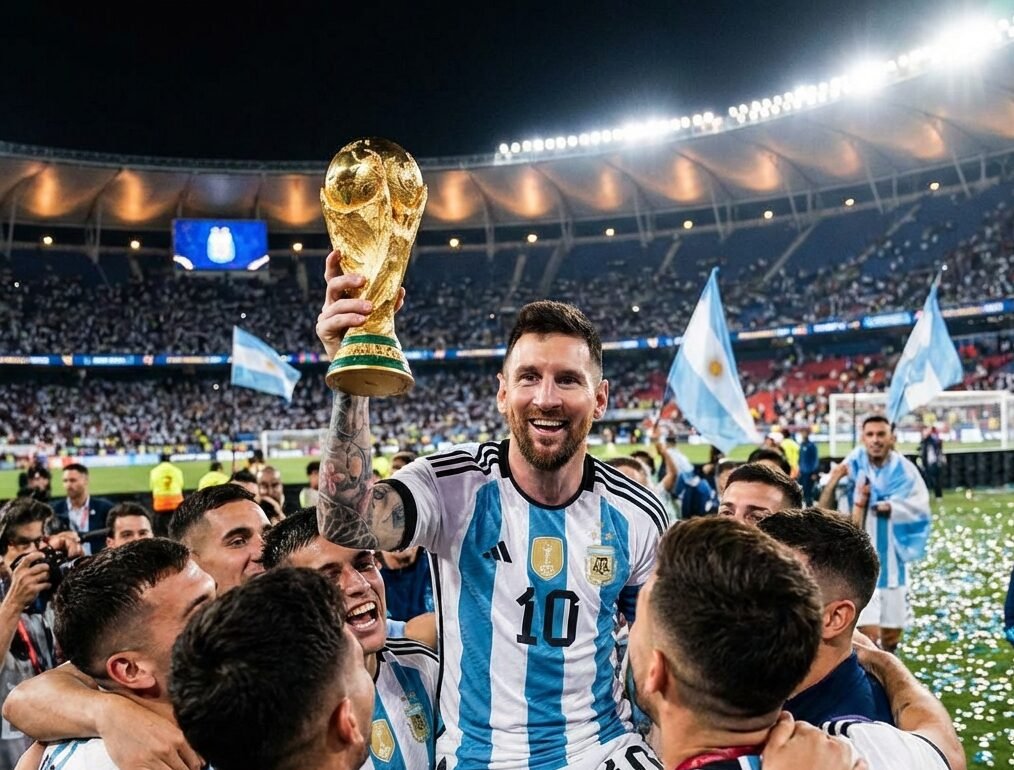
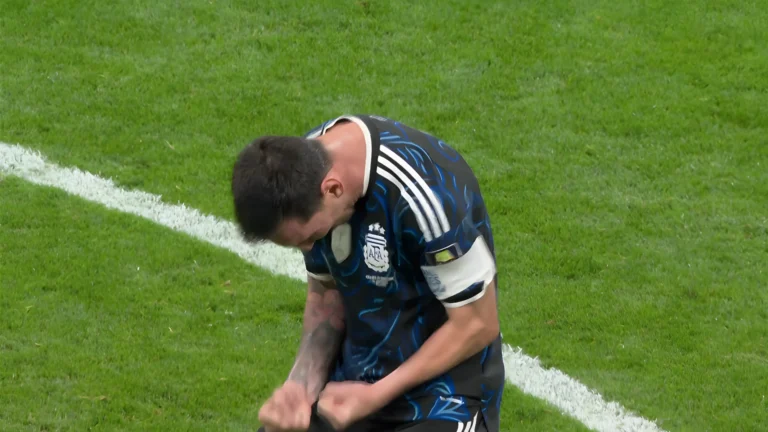
Argentina enter 2026 carrying the weight — and the confidence — of Qatar glory. The central question isn’t whether they can compete; it’s how much they can still lean on Lionel Messi, who will be 39 by the 2026 World Cup and turn 39 during the tournament. Messi’s role has naturally evolved into something more orchestrational — fewer surging dribbles, more clever positioning, and passing combinations that dictate tempo rather than electricity.
The good news for Scaloni is that the supporting cast has matured considerably. Julián Álvarez is now a genuine world-class striker, while Enzo Fernández has cemented himself as one of Europe’s premier central midfielders. Argentina’s qualification campaign through CONMEBOL — the world’s most brutal route to any World Cup — validated their continued excellence.
Key players to watch: Messi (creative fulcrum), Álvarez (clinical finisher), Fernández (midfield engine).
France: Depth, Power, and the Mbappé Era
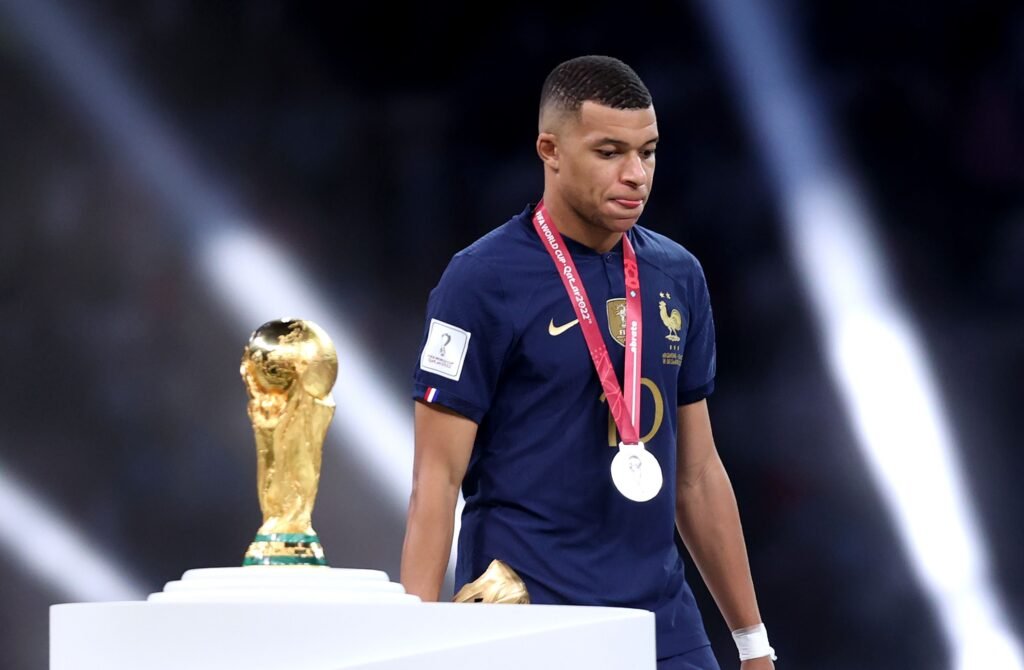
Can France repeat their strong performances without injury concerns?
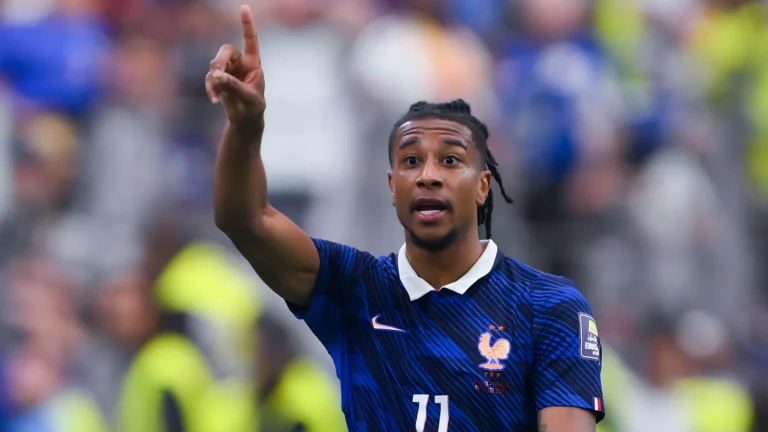
France remains arguably the deepest squad in world football, a claim that holds even when you factor in the injury anxieties that have periodically haunted their tournament campaigns. Kylian Mbappé is now the undisputed focal point — a generational talent operating at the peak of his powers in his mid-20s. Around him, Didier Deschamps (or his successor) has an embarrassment of riches: athletic fullbacks, combative midfielders, and a defensive line built on Premier League and La Liga steel.
Their Nations League performances have underlined a tactical solidity that previous French teams occasionally sacrificed for individual brilliance. Among the Spain-Argentina-France contenders, Les Bleus carry the most insurance — if one player fails, the depth chart barely flinches.
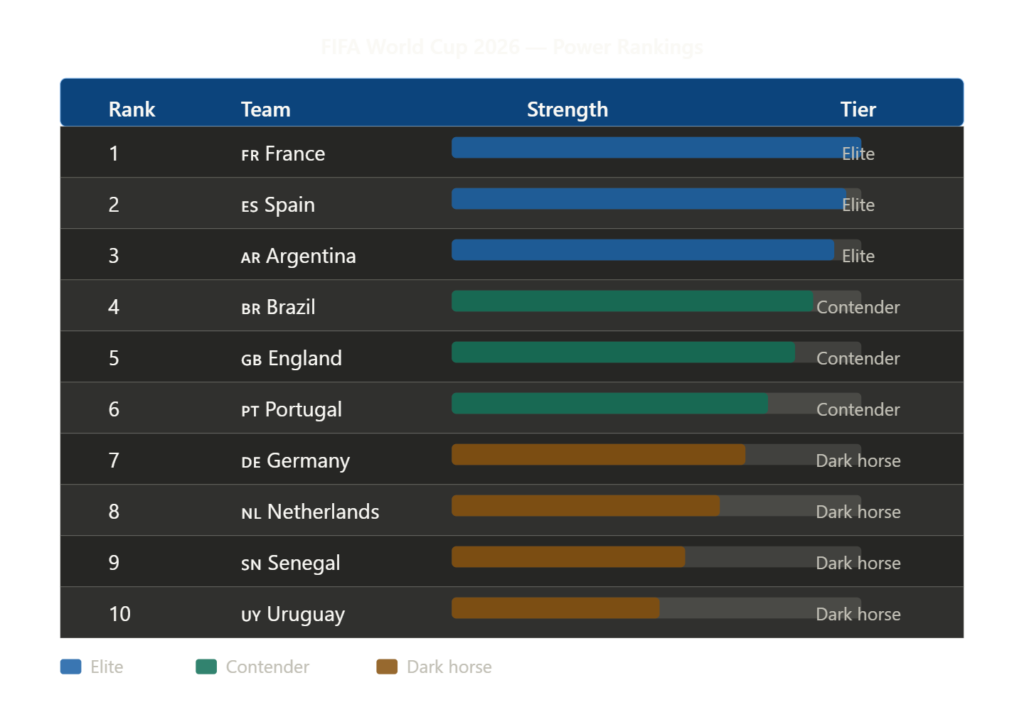
Why France leads the power rankings soccer conversation: squad depth, tactical flexibility, and a generational striker in his prime.
Brazil: Can the Seleção Return to World Cup Glory?
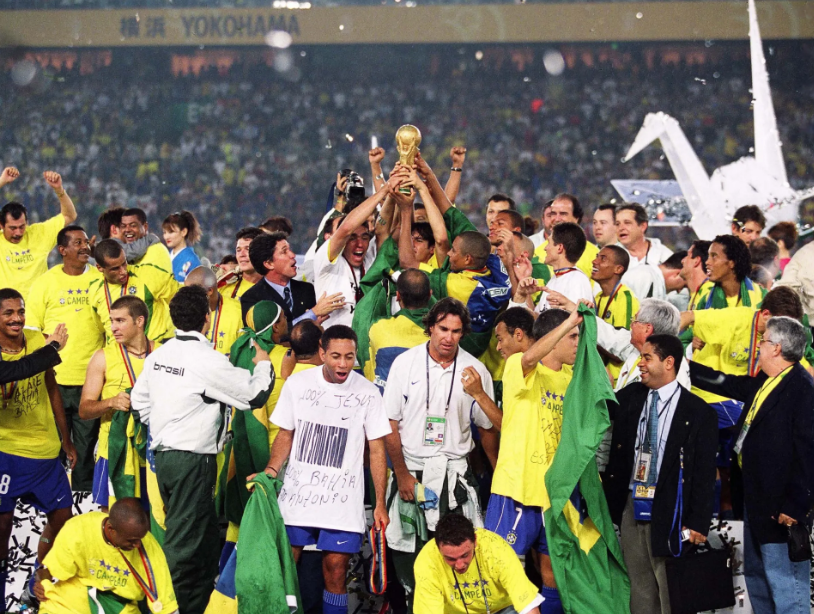
What tactical changes could help Brazil reclaim dominance?
Brazil’s relationship with the World Cup since 2002 has been one of the sport’s great unfulfilled expectations. The 2022 quarter-final exit on penalties stung deeply, and the rebuild since has been thoughtful if not always smooth. The rise of Endrick — already tipped as one of the most exciting forward prospects in football — offers a glimpse of what the next decade might hold.
The key tactical debate within Brazilian football circles is finding the right balance between the expressive, forward-minded tradition and the defensive discipline that modern tournament football demands. Under their current setup, Brazil have looked more organised, though the question of who marshals the midfield meaningfully remains open.
England: A Squad Built for a Championship Run
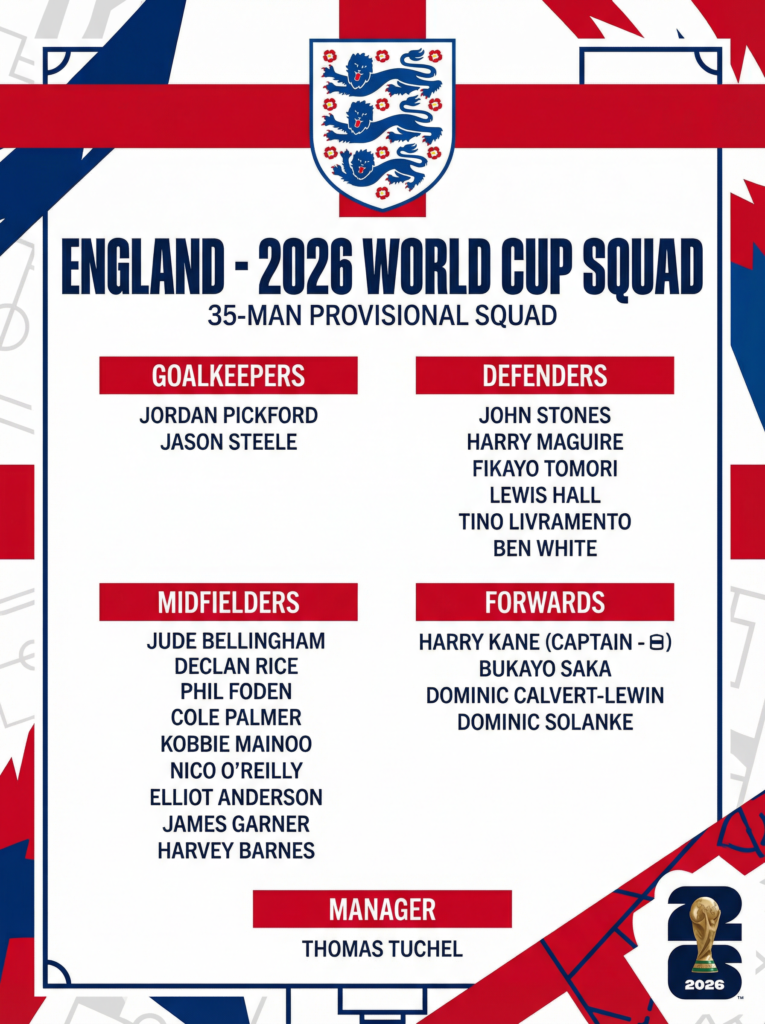
England’s golden generation is no longer a promise — it is a present reality. Harry Kane leads the line as one of the most clinical strikers in European football, supported by Jude Bellingham, who has rapidly become one of the game’s elite midfielders. The squad that reached the Euro 2024 final (only to fall short against Spain) returns with a year’s additional tournament experience, which in international football is worth considerably more than most analysts account for.
The Gareth Southgate era shaped England’s defensive resilience and tactical pragmatism. Whoever manages the side in 2026 inherits a squad finally capable of imposing its quality across six-plus games of tournament football rather than only showing up for the opening rounds.
Qualified Teams 2026: Who Has Already Booked Their Place?
The three host nations — USA, Canada, and Mexico — earn automatic qualification, bypassing the gruelling regional processes entirely. Beyond the hosts, qualification is progressing across all confederations:
| Confederation | Direct Slots | Play-off Slots |
|---|---|---|
| Europe (UEFA) | 16 | 0 (3 via internal playoffs already factored) |
| South America (CONMEBOL) | 6 | 1 |
| Africa (CAF) | 9 | 1 |
| Asia (AFC) | 8 | 1 |
| CONCACAF | 6 (incl. hosts) | 1 |
| Oceania (OFC) | 1 | 1 |
The major European nations — Spain, France, England, Germany, the Netherlands, and Portugal — are widely expected to qualify through their respective UEFA routes. South America’s CONMEBOL berths are fiercely contested, with Argentina, Brazil, Uruguay, Colombia, and Ecuador all competing for six automatic spots.
How the Expanded 48-Team Format Changes the Tournament
The shift from 32 to 48 teams is the most structurally significant change in World Cup history. The new 12-group format (four teams per group, two advance automatically plus eight third-place teams) gives underdogs a statistically better chance of surviving the group stage. For nations like the USA, Canada, Morocco, and Japan, this is genuinely transformative — the expanded bracket means one bad result no longer necessarily ends the campaign.
For the traditional powers, the risk cuts differently. More matches in the group stage mean more wear on key players, greater injury exposure, and the psychological challenge of potentially facing an underdog on a heavy pitch in an unfamiliar North American city at noon local time. The format rewards squad depth as much as starting XI quality.
Dark Horse Teams That Could Surprise in 2026
Beyond the FIFA World Cup 2026 top teams everyone expects, several nations have the quality to cause major upsets in the knockout rounds.
The betting odds World Cup markets currently slot France, Spain, and Argentina as the top three in the outright winner markets — but several teams lurk with genuine upset potential:
| Team | Why They Could Surprise |
|---|---|
| Portugal | Strong club form feeding into the national team; Van Dijk defensive anchor |
| Germany | Rebuilt under Julian Nagelsmann; formidable tournament pedigree |
| Netherlands | AFCON pedigree, physically imposing, Mané is still central |
| Senegal | Strong club form feeding into the national team; Van Dijk is a defensive anchor |
| USA | Home advantage, young MLS-to-Europe pipeline maturing rapidly |
| Morocco | FIFA World Cup 2022 semi-final run proved they can compete at the highest level |
The power rankings soccer community broadly agrees that Morocco’s 2022 performance shifted perceptions permanently — they are no longer a dark horse to be managed; they are a threat to be planned for.
Predicted Group Stage Scenarios
Group stage draw forecast based on FIFA rankings
The FIFA ranking system will determine the seeding pots ahead of the 2026 draw, with the March 2026 rankings serving as the official cut-off point. The top seeds — likely France, Spain, Argentina, Brazil, England, and the three host nations — will be placed in separate groups, theoretically avoiding each other until the knockout rounds.
However, the 48-team draw creates genuine complexity. With 12 groups, the spread of European teams is wider, meaning mid-tier UEFA nations like Turkey, Austria, or Denmark could occupy the same group as a South American heavyweight. Possible high-profile early clashes:
- Portugal vs. Uruguay in the group stage
- Germany vs. Mexico (classic World Cup matchup, now on Mexican soil)
- England vs. Colombia — physical, intense, tactically fascinating
How FIFA Rankings Influence the 2026 Draw
The pot system for the 2026 draw divides 48 teams into four pots of 12. Pot 1 contains the highest-ranked sides (plus automatic hosts). Pot 4 contains the lowest-ranked qualified nations. Confederation rules prevent certain regional groupings from ensuring geographic variety in each group.
What this means practically: France and Spain will not meet until at least the last 16. Argentina and Brazil cannot be drawn into the same group. The USA and Canada, as hosts, receive favourable draws by seeding rules.
The March 2026 FIFA rankings will be the decisive document — teams currently on the bubble of Pot 1 versus Pot 2 placement could find their entire tournament path altered by a single result in their final pre-tournament friendly or Nations League match.
Final Predictions for the FIFA 2026 World Cup
Tournament predictions 2026: who goes all the way?
Calling the winner of a 48-team tournament three months out is an exercise in educated speculation, but the patterns of modern international football point strongly toward the established European elite. Based on squad depth, current form, and tournament experience, here are our final picks from the FIFA World Cup 2026 top teams.
Predicted semi-finalists: France, Spain, Argentina, Germany
Predicted final: France vs. Spain — a rematch of the Euro 2024 final, this time with a World Cup trophy on the line. France’s squad depth, Mbappé’s peak-age form, and their ability to grind through tight knockout games edge them fractionally ahead.
Predicted winner: France
Golden Boot contenders: Kylian Mbappé (France), Julián Álvarez (Argentina), Harry Kane (England), Endrick (Brazil)
Argentina’s challenge will hinge on how much Messi can physically sustain across seven potential matches, particularly in the North American summer heat. Brazil, under a more structured setup, feel one tournament too early for a final run but could reach the last eight. England’s tournament experience finally feels like it has crystallised into something that can go deep — a semi-final berth seems realistic.
Conclusion
The FIFA World Cup 2026 top teams — France, Spain, Argentina, Brazil, and England — arrive with genuine credentials, but the 48-team format has democratised the tournament in ways that will catch at least one of them off guard. The expanded group stage, the unfamiliar travel demands across three host nations, and the sheer volume of competitive football create conditions where surprises aren’t just possible — they’re practically guaranteed.
Track the FIFA rankings, follow the final qualification rounds, and keep an eye on the draw when it comes. This World Cup will reward knowledge.
The FIFA World Cup 2026 top teams have never faced a more open tournament — 48 nations, three host countries, and more paths to glory than ever before.
Which team do you think will win the 2026 World Cup? Let us know below.
FAQs
What teams are the favourites to win the 2026 World Cup?
Top favourites for the 2026 FIFA World Cup include Spain, Argentina, France, Brazil, and England based on recent form, FIFA rankings, and squad depth.
Will Lionel Messi play in the 2026 World Cup?
Lionel Messi has not officially confirmed participation, but if fit, he could still play a leadership role for Argentina in the tournament.
How does the new 48-team format work?
The tournament will feature 12 groups of four teams, with the top teams advancing to an expanded knockout stage.
Also Read:- Top 15 FIFA World Cup 2026 Players to Watch: Rising Stars & Legends’ Last Dance

I’m a football writer, covering top leagues like the Premier League, La Liga, Bundesliga, Serie A, and Ligue 1. I write about match analysis, football news, tactics, and major tournaments such as the FIFA World Cup, delivering clear, engaging insights for fans.
About The Author
6 thoughts on “FIFA World Cup 2026 Top Teams: The Favorites, Dark Horses and Bold Predictions”