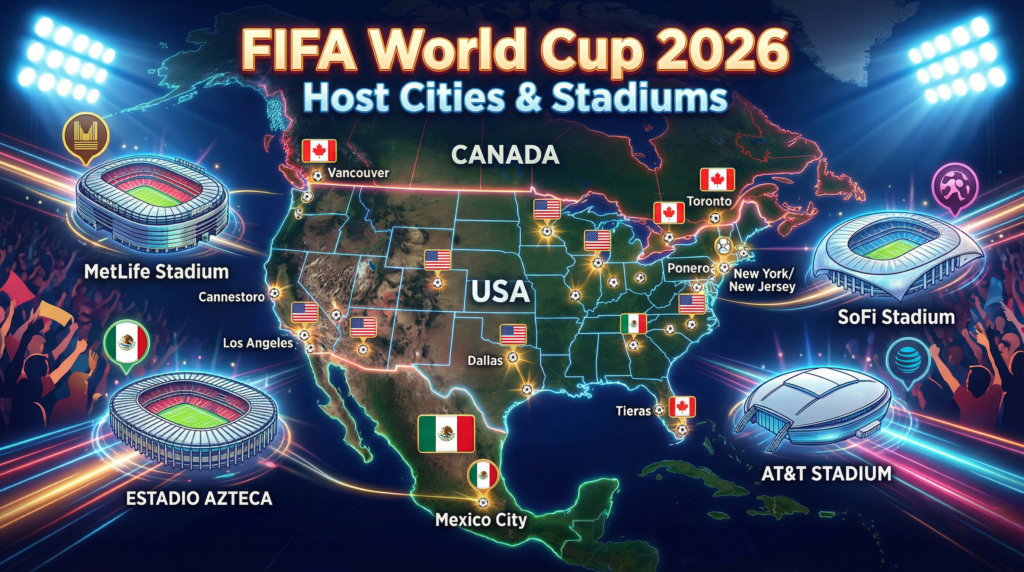
FIFA World Cup 2026 Host Cities and Stadiums: Full List of All 16 Venues
The FIFA World Cup 2026 is shaping up to be the most ambitious and spectacular football tournament in history. Spanning three nations, 16 cities, and 16 world-class venues, this edition will redefine what a World Cup looks and feels like. Whether you’re a die-hard fan planning your trip or simply curious about where the 2026 FIFA World Cup will be played, this complete guide covers everything you need to know about the 2026 World Cup host cities, stadiums, capacities, and what makes each venue special.
This complete guide to the FIFA World Cup 2026 host cities and stadiums covers all 16 venues, their capacities, and what makes each one special.
What Makes the World Cup 2026 Different From All Previous Tournaments?
For the first time ever, the FIFA World Cup 2026 will feature 48 teams instead of the traditional 32. That expansion means the number of matches jumps dramatically — from 64 to 104 total matches across the tournament. More teams, more drama, more football.
Another historic first: three countries are co-hosting. The USA, Mexico, and Canada are joining forces in what FIFA is calling the largest World Cup in history. North America will be the beating heart of global football for an entire summer, and the scale of infrastructure, venues, and fan experience will be unmatched.
Which Countries Are Hosting the FIFA World Cup 2026?
The FIFA World Cup 2026 host cities and stadiums are spread across three countries, each bringing something unique: the USA, Mexico, and Canada.
| Country | Host Cities | Number of Stadiums | Role |
|---|---|---|---|
| United States | 11 cities | 11 | Historic venues open the tournament |
| Mexico | 3 cities | 3 | Historic venues; opens the tournament |
| Canada | 2 cities | 2 | First-ever men’s World Cup hosting |
The United States carries the heaviest load, hosting the bulk of matches, including the knockout rounds and the Final. Mexico brings iconic footballing history, while Canada makes its historic debut as a men’s World Cup host.
How Many Cities Will Host Matches in the 2026 World Cup?
A total of 16 cities across North America will host FIFA World Cup 2026 matches. These cities were selected based on stadium capacity, infrastructure, fan experience potential, and geographical spread — ensuring fans from around the world can travel between venues with relative ease.
United States (11 Cities)
- Atlanta
- Boston (Foxborough)
- Dallas (Arlington)
- Houston
- Kansas City
- Los Angeles
- Miami
- New York / New Jersey
- Philadelphia
- San Francisco Bay Area
- Seattle
Mexico (3 Cities)
- Mexico City
- Guadalajara
- Monterrey
Canada (2 Cities)
- Toronto
- Vancouver
What Are the 16 Stadiums Hosting the FIFA World Cup 2026?
Here is the complete list of the FIFA World Cup 2026 host cities and stadiums — all 16 venues with capacities, locations, and countries.
| City | Stadium | Country | Capacity |
|---|---|---|---|
| Dallas (Arlington, TX) | AT&T Stadium | USA | 94,000 |
| New York/New Jersey (East Rutherford, NJ) | MetLife Stadium | USA | 82,500 |
| Mexico City | Estadio Azteca | Mexico | 83,000 |
| Atlanta, GA | Mercedes-Benz Stadium | USA | 75,000 |
| Kansas City, MO | Arrowhead Stadium (GEHA Field at Arrowhead) | USA | 73,000 |
| Houston, TX | NRG Stadium | USA | 72,000 |
| San Francisco Bay Area (Santa Clara, CA) | Levi’s Stadium | USA | 71,000 |
| Los Angeles (Inglewood, CA) | SoFi Stadium | USA | 70,000 |
| Philadelphia, PA | Lincoln Financial Field | USA | 69,000 |
| Seattle, WA | Lumen Field | USA | 69,000 |
| Miami (Miami Gardens, FL) | Hard Rock Stadium | USA | 65,000 |
| Boston (Foxborough, MA) | Gillette Stadium | USA | 65,000 |
| Vancouver, BC | BC Place | Canada | 54,000 |
| Monterrey (Guadalupe, Nuevo León) | Estadio BBVA | Mexico | 53,500 |
| Guadalajara (Zapopan, Jalisco) | Estadio Akron | Mexico | 48,000 |
| Toronto, ON | BMO Field | Canada | 45,736 |
This list of stadiums for the FIFA World Cup 2026 represents some of the most technologically advanced and architecturally stunning arenas on the planet.
Which Stadium Will Host the FIFA World Cup 2026 Final?
The biggest match of the tournament — the FIFA World Cup 2026 Final — will be held at MetLife Stadium in East Rutherford, New Jersey, just outside New York City.
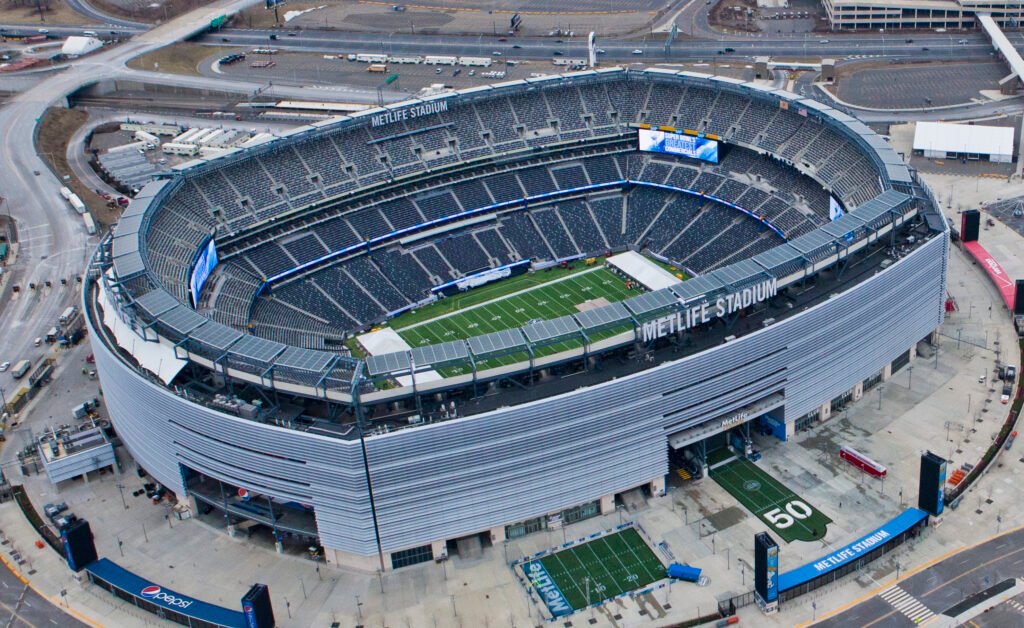
With a seating capacity of approximately 82,500, MetLife Stadium is one of the most iconic NFL venues in America and sits in the heart of the world’s most recognized metropolitan area. It is home to both the New York Giants and New York Jets, and has already proven it can handle mega-events.
The stadium’s proximity to New York City gives it unmatched logistical advantages — three major international airports (JFK, Newark Liberty, and LaGuardia), extensive rail connections, and a hotel infrastructure capable of accommodating hundreds of thousands of visiting fans. The atmosphere expected for the MetLife Stadium World Cup 2026 final is nothing short of extraordinary, with fans from every corner of the globe descending on the New York metro area for one of sport’s greatest occasions.
Where Will the Opening Match of the 2026 World Cup Be Played?
The 2026 World Cup opening match will be played at the legendary Estadio Azteca in Mexico City — a choice that could not be more fitting.
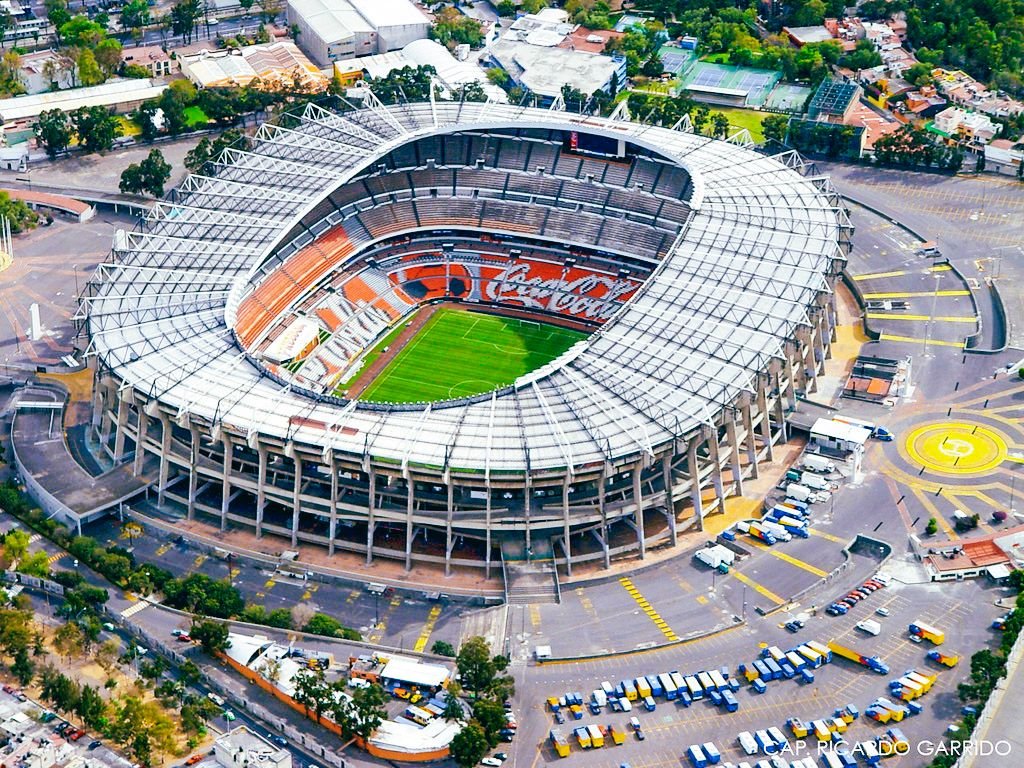
The Azteca is, without question, one of the most storied stadiums in the history of football. It famously hosted the 1970 FIFA World Cup Final (Brazil vs Italy) and the 1986 FIFA World Cup Final (Argentina vs West Germany), and with the 2026 tournament, it will become the first stadium in history to host three separate FIFA World Cups. That is a record that may never be broken.
With a capacity of around 87,523, the Azteca is also the largest stadium in Mexico and one of the largest football-specific venues on earth. The electric energy of Mexico City’s fans, combined with the sheer weight of footballing history within those walls, promises to make the opening ceremony and opening match an unforgettable spectacle.
Which Is the Largest Stadium in the FIFA World Cup 2026?
The largest venue in the 2026 FIFA World Cup stadium locations is AT&T Stadium in Arlington, Texas (Dallas area), with a capacity of approximately 94,000 spectators.
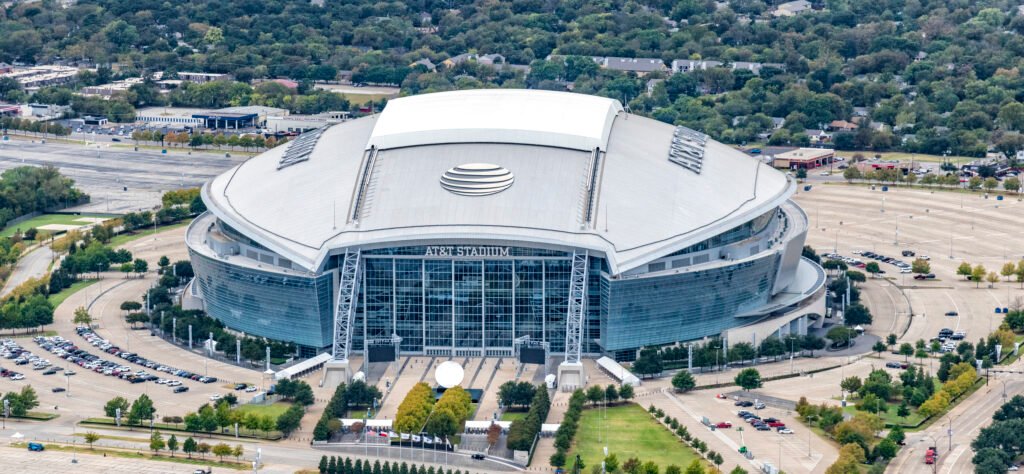
Known informally as “Jerry World” after Dallas Cowboys owner Jerry Jones, AT&T Stadium is as famous for its size as for its technology. It boasts one of the largest high-definition video screens ever installed in a sports venue — a jaw-dropping center-hung display stretching roughly 160 feet wide. The stadium has hosted Super Bowls, NBA All-Star Games, boxing world championships, and massive concerts, making it one of the most versatile and battle-tested mega-venues in the world.
For the AT&T Stadium World Cup 2026 matches, expect a spectacular visual and acoustic experience that perfectly complements the world’s biggest sporting event.
Which U.S. Cities Will Host World Cup Matches in 2026?
The USA is the backbone of the 2026 World Cup, hosting 11 of the 16 FIFA World Cup 2026 venues. Here’s a breakdown of the American host cities and their stadiums:
| City | Stadium | Capacity |
|---|---|---|
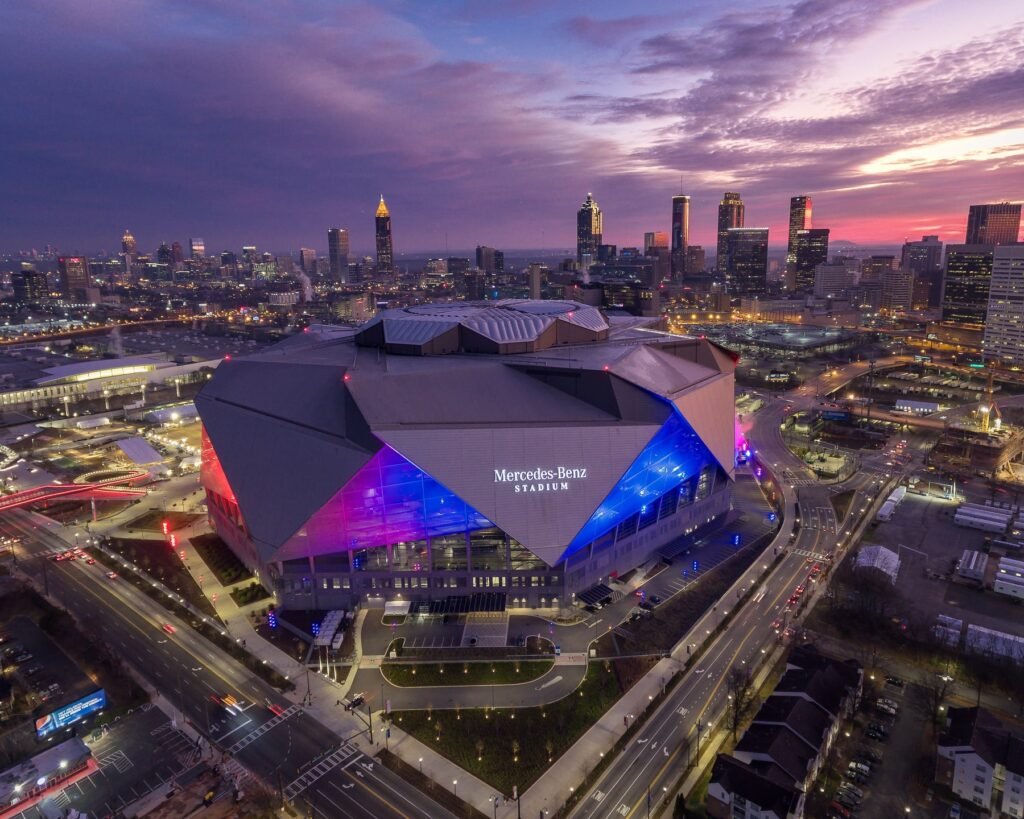
| Atlanta, GA | Mercedes-Benz Stadium | 75,000 |
| Boston (Foxborough, MA) | Gillette Stadium | 65,000 |
| Dallas (Arlington, TX) | AT&T Stadium | 94,000 |
| Houston, TX | NRG Stadium | 72,000 |
| Kansas City, MO | Arrowhead Stadium | 73,000 |
| Los Angeles (Inglewood, CA) | SoFi Stadium | 70,000 |
| Miami (Miami Gardens, FL) | Hard Rock Stadium | 65,000 |
| New York/New Jersey (East Rutherford, NJ) | MetLife Stadium | 82,500 |
| Philadelphia, PA | Lincoln Financial Field | 69,000 |
| San Francisco Bay Area (Santa Clara, CA) | Levi’s Stadium | 71,000 |
| Seattle, WA | Lumen Field | 69,000 |
The USA stadiums for the World Cup 2026 represent an extraordinary concentration of modern sporting infrastructure. Every single one of these venues is a current NFL stadium or multi-purpose mega-arena, meaning they come with established transport links, security protocols, and fan service experience.
The SoFi Stadium World Cup 2026 fixture in Los Angeles is particularly anticipated — a gleaming, state-of-the-art facility in one of the world’s most glamorous cities, which is also gearing up to host the 2028 Summer Olympics.
What Stadiums in Mexico Will Host the 2026 World Cup?
Mexico’s three World Cup 2026 stadiums each carry a unique identity and footballing heritage:
Estadio Azteca – Ciudad De México. The crown jewel of Mexican football. Capacity: ~87,523. Host of the 1970 and 1986 World Cup Finals, and now set to make history as a three-time World Cup host. It is where Pelé lifted the trophy and where Diego Maradona scored his legendary goals in 1986. Every match played here carries the weight of that history.
Estadio Akron – Guadalajara Home of Club Deportivo Guadalajara (Chivas), Estadio Akron is a modern, purpose-built football stadium with a capacity of around 49,850. It opened in 2010 and is known for its striking architectural design and intimate atmosphere — though “intimate” is a relative word for a stadium of 50,000.
Estadio BBVA – Monterrey Home of C.F. Monterrey, the BBVA stadium holds approximately 53,500 fans and sits dramatically against a backdrop of the Sierra Madre mountain range, making it one of the most visually stunning settings among all FIFA World Cup 2026 venues. It regularly hosts international club competitions and is known for its passionate, boisterous atmosphere.
Which Canadian Cities Will Host the FIFA World Cup 2026?
Canada makes its historic debut as a men’s World Cup host in 2026, with two cities selected:
Toronto – BMO Field, Canada’s largest city, gets its World Cup moment at BMO Field, home of Toronto FC. With a capacity of around 45,000, it’s the smallest venue in the tournament — but Toronto’s cosmopolitan energy, world-class hospitality, and massive international football fan base more than compensate. The city will be electric.
Vancouver – BC Place BC Place holds around 54,000 fans and is a flexible, retractable-roof stadium in one of Canada’s most beautiful cities. Vancouver’s stunning coastal setting, combined with its multicultural population and proximity to Seattle on the West Coast corridor, makes it a natural magnet for fans traveling across the tournament.
The Canada World Cup 2026 stadiums may be fewer in number, but the cultural significance of hosting the men’s World Cup for the first time cannot be overstated for Canadian football fans.
How Will Fans Travel Between World Cup 2026 Host Cities?
Smart fans will think in regional clusters when planning their World Cup 2026 travel guide itinerary:
- West Coast Cluster: Los Angeles → Seattle → Vancouver (easy Pacific corridor travel)
- East Coast Cluster: New York/NJ → Philadelphia → Boston → Toronto (Amtrak and short flights)
- Gulf/Central Cluster: Dallas → Houston → Kansas City (short domestic flights)
- Mexico Cluster: Mexico City → Guadalajara → Monterrey (well-connected domestic flights)
All 16 host cities are served by major international airports. For fans who want to attend multiple matches across different regions, budget airlines and domestic routes across the US make hopping between venues surprisingly affordable. A World Cup 2026 host city map is an essential planning tool — FIFA’s official site and Google Maps both offer interactive versions.
What New Features Will the 2026 World Cup Stadiums Offer?
The FIFA World Cup 2026 venues are among the most technologically advanced sports facilities ever assembled for a single tournament:
- Retractable roofs at venues like BC Place, SoFi Stadium, and AT&T Stadium ensure matches go ahead regardless of the weather.
- Massive high-definition screens — particularly at AT&T Stadium — offer every fan in the building a crystal-clear view of every moment.
- Sustainable stadium design features are present at many venues, including solar panels, rainwater harvesting systems, and LEED-certified construction standards.
- Advanced fan technology, including app-based wayfinding, cashless payments, instant replay access on personal devices, and enhanced connectivity throughout the stadium bowl.
How Will the FIFA World Cup 2026 Impact Tourism and the Economy?
The economic and cultural impact of the FIFA World Cup 2026 is projected to be staggering. Estimates suggest a combined economic impact of over $5 billion across the three host nations, driven by tourism spending, infrastructure investment, broadcasting deals, and global exposure.
Each host city stands to gain significantly, from hotel bookings and restaurant revenue to long-term boosts in international brand recognition. Infrastructure upgrades around stadiums and transport hubs will benefit local communities long after the final whistle blows at MetLife Stadium.
Why Will the FIFA World Cup 2026 Be the Biggest Tournament Ever?
The FIFA World Cup 2026 host cities and stadiums represent the most ambitious venue lineup in the tournament’s history — 16 world-class arenas across three nations.
- 48 teams competing (up from 32)
- 104 matches played (up from 64)
- 16 stadiums across the tournament
- 3 host countries united under one tournament
- A projected record global audience in the billions
The FIFA World Cup 2026 is not just the next World Cup — it is a generational leap forward for the sport. With iconic venues, historic firsts, and a continent-wide celebration of football, 2026 promises to be an unforgettable summer.
From MetLife Stadium in New Jersey to the iconic Azteca in Mexico City, the FIFA World Cup 2026 host cities and stadiums promise an unforgettable backdrop to the greatest show on earth.
FAQs
Which city will host the World Cup final in 2026?
The 2026 World Cup Final will be held at MetLife Stadium in East Rutherford, New Jersey, near New York City.
Which stadium is the biggest in the 2026 World Cup?
AT&T Stadium in Arlington (Dallas), Texas, is the largest venue with a capacity of approximately 94,000.
Will Canada host World Cup matches in 2026?
Yes — Toronto (BMO Field) and Vancouver (BC Place) will both host matches, marking Canada’s first-ever men’s FIFA World Cup.
Where will the 2026 World Cup opening match be played?
The opening match will be held at Estadio Azteca in Mexico City, making it the first stadium to host three separate FIFA World Cups.
How many stadiums will be used in the 2026 World Cup?
A total of 16 stadiums across the USA, Mexico, and Canada will host matches at the FIFA World Cup 2026.
Also Read:- FIFA World Cup 2026 Predictions: 10 Teams Most Likely to Win

I’m a football writer, covering top leagues like the Premier League, La Liga, Bundesliga, Serie A, and Ligue 1. I write about match analysis, football news, tactics, and major tournaments such as the FIFA World Cup, delivering clear, engaging insights for fans.
About The Author





Wow, awesome blog layout! How long have you been blogging for?
you make blogging look easy. The overall look of
your web site is magnificent, as well as the content!