The Origins of the Premier League: How English Football Changed
The Premier League is now one of the most-watched sporting competitions in the world. Millions of fans tune in every week to watch clubs like Manchester United, Liverpool, Arsenal, Chelsea, and Manchester City battle for glory. Broadcasting rights are worth billions of dollars, players are global superstars, and clubs attract fans from every corner of the planet.
But the Premier League did not always exist.
Before 1992, English football looked very different. Stadiums were outdated, television coverage was limited, and English clubs were struggling both financially and internationally. Understanding the origins of the Premier League means going back to a game in crisis — and watching it transform into a global phenomenon.
Football in England Before the Premier League
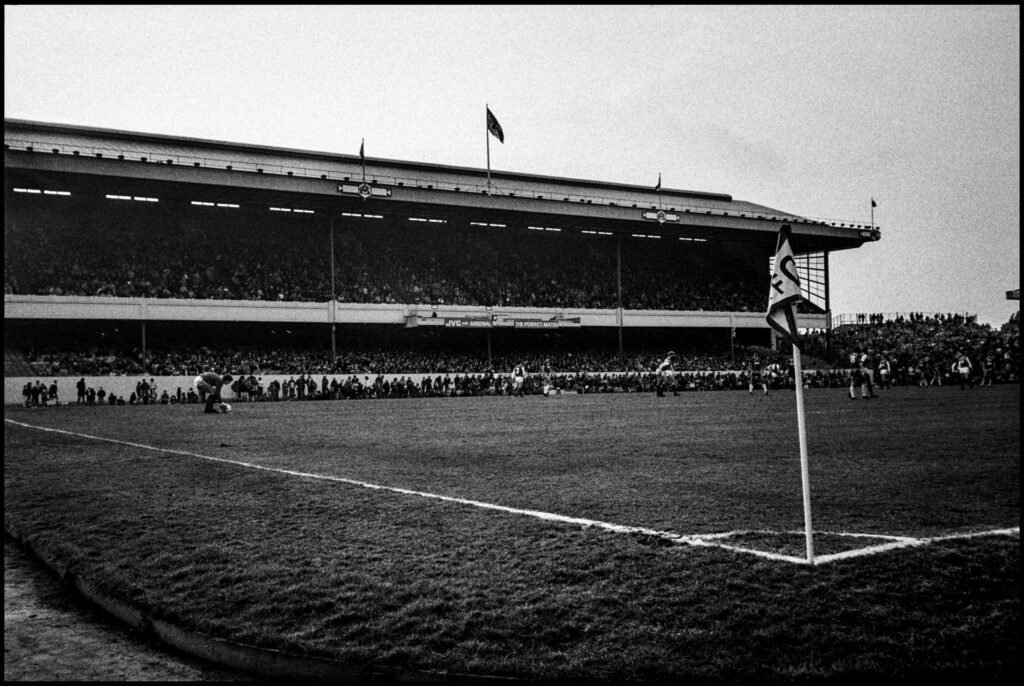
To fully understand the origins of the Premier League, we must first look at the Football League, which dominated English football for over a century.
The Football League was founded in 1888, making it the oldest professional football league in the world.
Key Characteristics of the Old Football League
| Feature | Details |
|---|---|
| Founded | 1888 |
| Founder | William McGregor (Aston Villa director) |
| Initial Teams | 12 clubs |
| Structure | Division system (First Division, Second Division, etc.) |
| Governance | Controlled by the Football League organization |
The First Division was the top level of English football before the Premier League.
For decades, it produced legendary clubs and players. Teams like Liverpool, Manchester United, Arsenal, and Everton dominated English football.
However, by the 1980s, English football faced serious problems.
The Crisis of English Football in the 1980s
The 1980s were one of the darkest periods in English football history.
Several issues damaged the reputation and financial stability of the game.
Major Problems in the 1980s
| Problem | Impact |
|---|---|
| Stadium Safety Issues | Many stadiums were old and unsafe |
| Football Hooliganism | Violence among fans damaged football’s reputation |
| European Ban | English clubs banned from European competitions |
| Low TV Revenue | Limited television deals compared to other sports |
One of the most tragic events was the Heysel Stadium disaster in 1985, where 39 people died during the European Cup final between Liverpool and Juventus.
As a result, English clubs were banned from European competitions for five years.
This significantly damaged the finances of English football clubs.
Another tragedy followed in 1989 — the Hillsborough disaster, where 97 Liverpool fans lost their lives due to overcrowding at a stadium.
These events forced authorities to rethink how football was organised and run.
The Taylor Report: A Turning Point
After the Hillsborough disaster, the British government commissioned Lord Justice Taylor to investigate stadium safety.
His findings were published in the Taylor Report (1990). These stadium reforms became one of the key catalysts behind the origins of the Premier League, as clubs needed a new financial model to fund the changes.
Key Recommendations
| Recommendation | Result |
|---|---|
| All-seater stadiums | Major stadium renovations |
| Improved crowd control | Better security |
| Modern facilities | Higher comfort for fans |
While these changes improved safety, they were extremely expensive.
Clubs needed significant financial investment to upgrade stadiums and infrastructure.
This created a new challenge: where would the money come from?
The answer eventually came from television broadcasting rights.
The Television Revolution That Created the Premier League
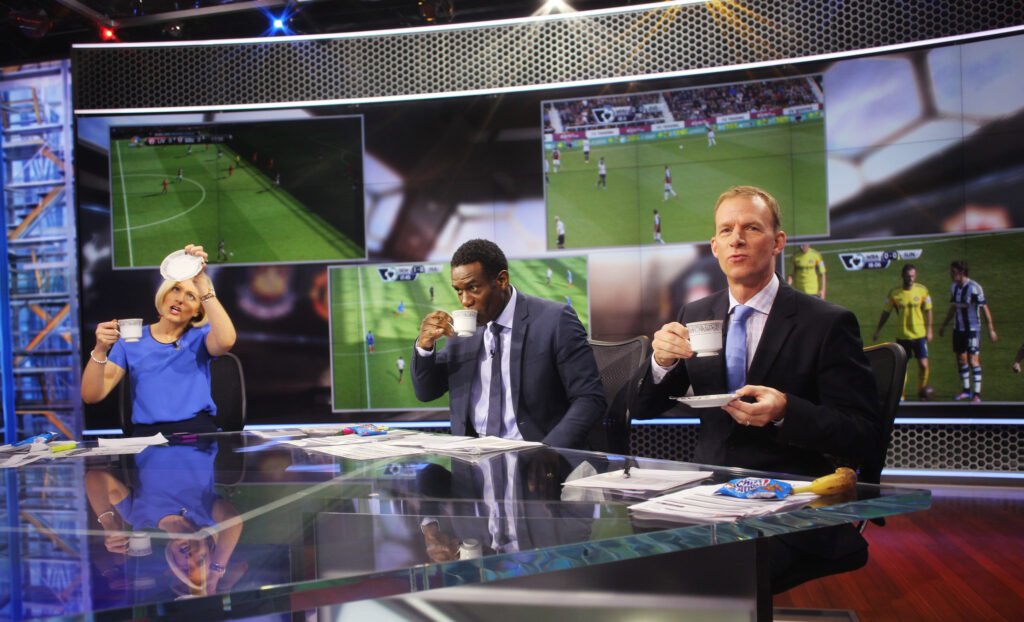
During the late 1980s and early 1990s, television companies realised that football could attract huge audiences.
Clubs also realised something important:
The biggest clubs generated the majority of television interest.
But under the old Football League structure, TV revenue was shared across all divisions, meaning top clubs earned less than they believed they deserved.
This created tension between big clubs and the Football League authorities.
The “Big Five” Clubs
Five clubs played a major role in pushing for change:
| Club | Reason for Influence |
|---|---|
| Manchester United | Huge fanbase |
| Liverpool | Dominant team in the 1970s–80s |
| Arsenal | Financially strong |
| Tottenham Hotspur | Strong commercial vision |
| Everton | Major competitive club |
These clubs believed a new league structure would allow them to negotiate better TV deals and increase revenue.
The Formation of the Premier League (1992)
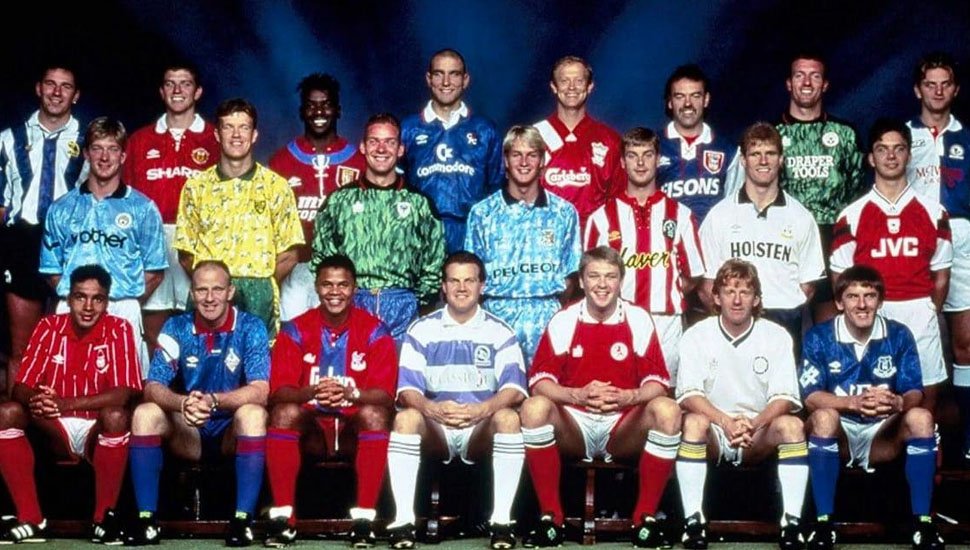
The origins of the Premier League as we know it today can be traced to a single meeting in 1992, when the First Division clubs broke away from the Football League. In 1991, top clubs began discussing a breakaway league.
Their plan was simple:
- Leave the Football League
- Form a new top-tier competition
- Negotiate their own broadcasting deals
The idea gained support quickly.
Finally, in February 1992, clubs officially agreed to create the FA Premier League.
Key Facts About the Formation
| Detail | Information |
|---|---|
| Year Created | 1992 |
| Governing Body | The Football Association (FA) |
| Clubs Involved | 22 founding clubs |
| First Season | 1992–93 |
| First Champions | Manchester United |
The Premier League replaced the Football League First Division as the top tier of English football.
The Founding Premier League Clubs
The first Premier League season in 1992–93 included 22 clubs.
Original Premier League Teams (1992)
| Club |
|---|
| Arsenal |
| Aston Villa |
| Blackburn Rovers |
| Chelsea |
| Coventry City |
| Crystal Palace |
| Everton |
| Ipswich Town |
| Leeds United |
| Liverpool |
| Manchester City |
| Manchester United |
| Middlesbrough |
| Norwich City |
| Nottingham Forest |
| Oldham Athletic |
| Queens Park Rangers |
| Sheffield United |
| Sheffield Wednesday |
| Southampton |
| Tottenham Hotspur |
| Wimbledon |
These clubs formed the foundation of what would become the most commercially successful football league in the world.
The First Premier League Season (1992–93)
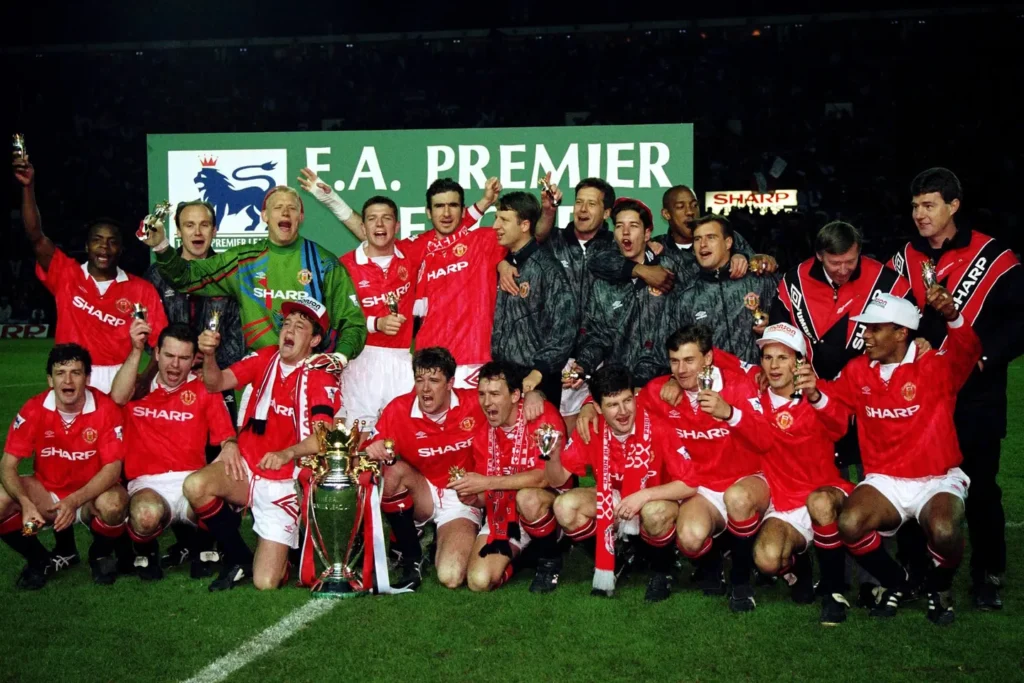
The inaugural Premier League season began in August 1992.
It quickly proved that the new league had enormous potential.
Key Highlights of the First Season
| Category | Winner |
|---|---|
| Champion | Manchester United |
| Manager | Sir Alex Ferguson |
| Top Scorer | Teddy Sheringham |
| Total Clubs | 22 |
Manchester United won the title, ending their 26-year league title drought.
This marked the start of a dominant era under Sir Alex Ferguson.
The Sky Sports Broadcasting Deal
One of the most important moments in Premier League history came with a groundbreaking TV agreement.
In 1992, the league signed a deal with Sky Sports worth £304 million.
At the time, this was considered a massive amount for football broadcasting.
Why This Deal Was Revolutionary
| Factor | Impact |
|---|---|
| Live Matches on TV | Increased global audience |
| Improved Production | High-quality broadcasts |
| Marketing Power | Football became entertainment |
| Revenue Growth | Clubs earned significantly more |
Sky Sports transformed football broadcasting with:
- Multiple camera angles
- Expert analysis
- Monday Night Football
- In-depth match coverage
This deal laid the foundation for the multi-billion-dollar broadcasting agreements we see today.
The Premier League Becomes a Global Brand
During the late 1990s and early 2000s, the Premier League exploded in popularity.
Several factors contributed to this global success.
Reasons for Global Growth
| Factor | Explanation |
|---|---|
| Star Players | International superstars joined |
| Competitive Matches | Many teams capable of winning |
| Global TV Distribution | Matches broadcast worldwide |
| English Language | Easy global accessibility |
Players like:
- Eric Cantona
- Thierry Henry
- Alan Shearer
- Cristiano Ronaldo
- Frank Lampard
helped turn the Premier League into a global entertainment product.
Today, the league is broadcast in over 200 countries.
Financial Explosion of the Premier League
The financial growth of the Premier League has been staggering.
Broadcasting Revenue Growth
| Year | TV Rights Value |
|---|---|
| 1992 | £304 million |
| 2001 | £1.2 billion |
| 2016 | £5.1 billion |
| 2022+ | Over £10 billion globally |
This money allowed clubs to:
- Sign world-class players
- Build modern stadiums
- Improve youth academies
- Expand internationally
The Premier League became the richest football league in the world.
How the Premier League Changed English Football
The creation of the Premier League reshaped the entire football landscape.
Major Transformations
| Area | Change |
|---|---|
| Stadiums | Modern all-seater venues |
| Player Salaries | Massive increases |
| Global Fans | Worldwide audiences |
| Club Ownership | Billionaire investors |
Foreign ownership also became common.
Clubs like Manchester City, Chelsea, and Newcastle United are now owned by international investors.
This brought massive financial investment into the league.
5 Facts You Didn’t Know About the Premier League’s Origins
⚽ Fun Fact #1
Brian Deane scored the first-ever Premier League goal for Sheffield United on August 15, 1992.
⚽ Fun Fact #2
Manchester United won 13 Premier League titles under Sir Alex Ferguson, the most by any manager.
⚽ Fun Fact #3
The Premier League was originally called the FA Premier League before being renamed simply Premier League in 2007.
⚽ Fun Fact #4
The Premier League was reduced from 22 teams to 20 teams in 1995 to improve scheduling.
⚽ Fun Fact #5
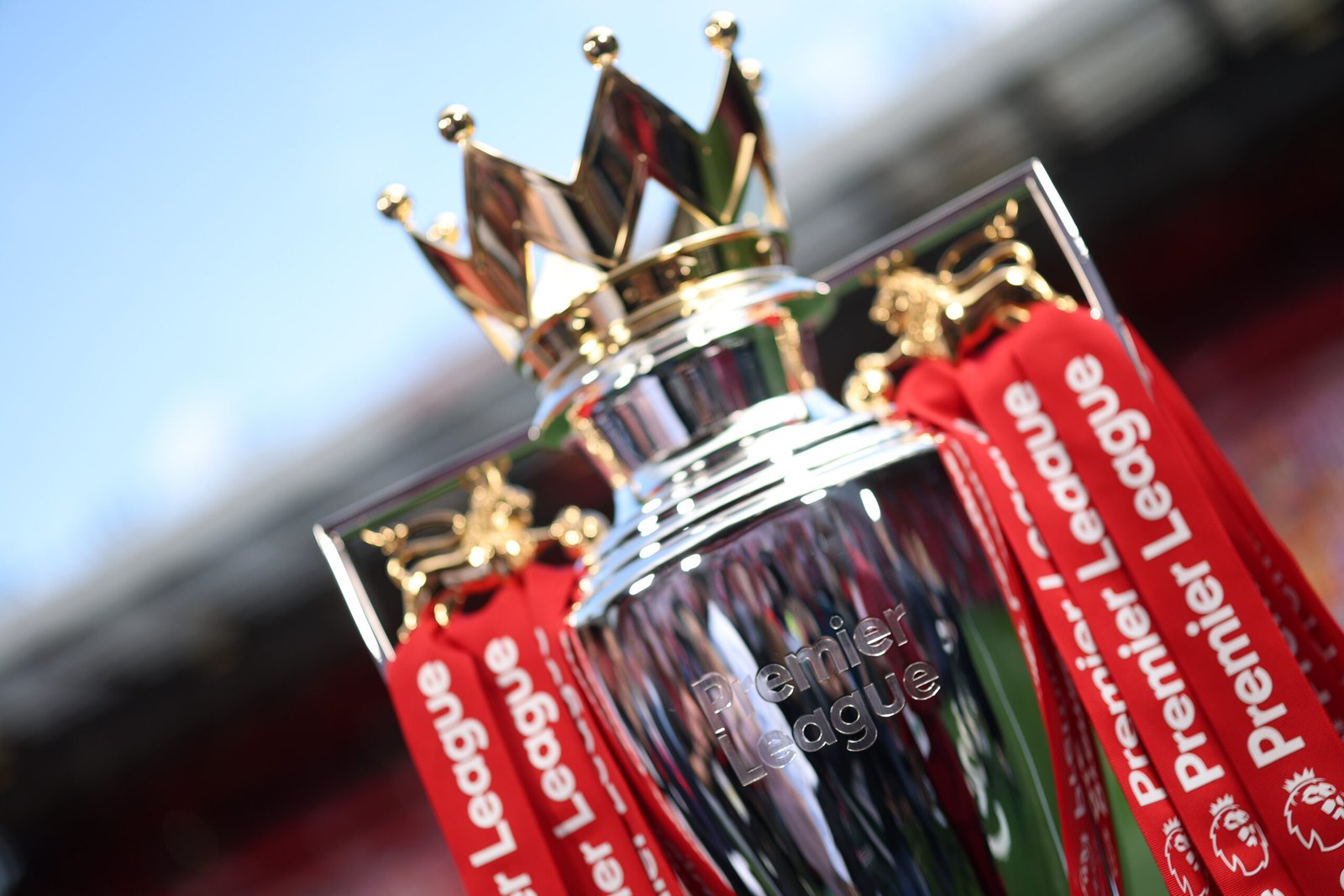
The Premier League trophy weighs around 25 kilograms.
Why the Premier League Story Matters
The origins of the Premier League remain one of football’s most fascinating stories — a sport that reinvented itself at its lowest point and became the most-watched league on the planet.
The creation of the Premier League was more than just a restructuring of English football.
It represented a complete transformation of the sport into a global entertainment industry.
The league’s success inspired many other competitions around the world to modernise their structures and broadcasting strategies.
Today, the Premier League is:
- The most-watched football league in the world
- The richest domestic league
- A global cultural phenomenon
Yet its origins were rooted in crisis, reform, and bold decisions by clubs willing to change the system.
From the struggles of the 1980s to the billion-dollar industry we see today, the Premier League’s journey is one of the most fascinating stories in sports history.
FAQs
What is the origin of the Premier League?
The Premier League was formed in 1992 when top English football clubs broke away from the Football League First Division to create a new competition with better television deals and financial independence.
Why was the Premier League created?
The Premier League was created to allow top clubs to negotiate their own broadcasting rights and generate more revenue, especially after financial struggles in the 1980s.
When did the first Premier League season start?
The first Premier League season started in August 1992, featuring 22 teams, with Manchester United winning the title.
Which clubs founded the Premier League?
Twenty-two clubs participated in the inaugural 1992–93 Premier League season, including Manchester United, Arsenal, Liverpool, Chelsea, Tottenham Hotspur, and Everton.
Who scored the first Premier League goal?
Brian Deane of Sheffield United scored the first-ever Premier League goal on 15 August 1992.
Also Read – “Premier League Winners List (1992–2024): Every Champion Year by Year”
Premier League Golden Boot Winners List (1992–2025): Records, Most Wins & Top Scorers

I’m a football writer, covering top leagues like the Premier League, La Liga, Bundesliga, Serie A, and Ligue 1. I write about match analysis, football news, tactics, and major tournaments such as the FIFA World Cup, delivering clear, engaging insights for fans.
About The Author