2026 FIFA World Cup Hosts Revealed: Why 3 Countries Are Sharing the Biggest Tournament Ever
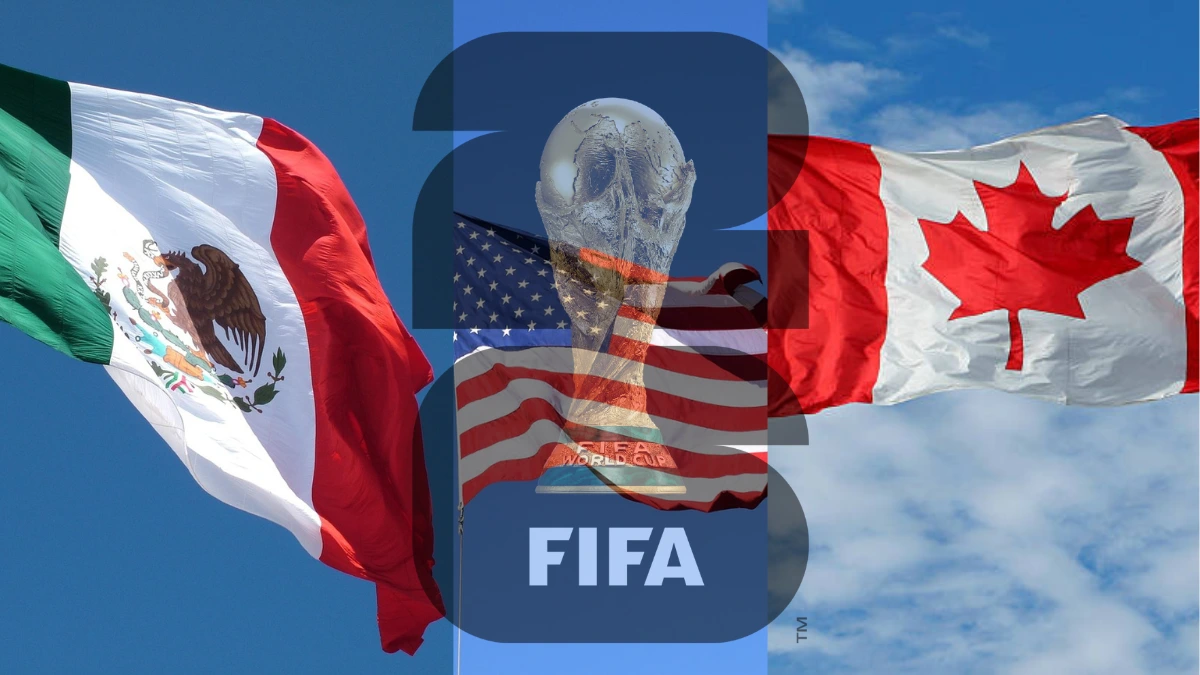
The 2026 FIFA World Cup will be hosted by three countries—the United States, Canada, and Mexico —marking the first time in history that three nations have shared the tournament.
This matters because the 2026 edition is also the largest World Cup ever, expanding to 48 teams and 104 matches, requiring more venues, infrastructure, and global coordination than any previous tournament.
Which Countries Are Hosting the 2026 FIFA World Cup?
The 2026 FIFA World Cup will be jointly hosted by:
- United States
- Canada
- Mexico
Key Facts at a Glance
- Total Teams: 48 (expanded from 32)
- Total Matches: 104
- Host Cities: 16 cities across 3 countries
- Final Venue: MetLife Stadium (USA)
- Top Stadiums: Estadio Azteca, SoFi Stadium, AT&T Stadium, BC Place
Host Cities & Stadium Highlights
- Canada: Toronto (BMO Field), Vancouver (BC Place)
- Mexico: Guadalajara (Estadio Akron), Mexico City (Estadio Azteca), Monterrey (Estadio BBVA)
- USA: 11 cities, including Atlanta, Dallas, Los Angeles, New York/New Jersey, Miami, and Seattle
Why 3 Countries?
- Expanded tournament size (48 teams)
- Shared infrastructure & reduced costs
- Massive commercial and fan reach across North America
- FIFA’s push toward multi-national hosting
In short, no single country could efficiently handle the scale, so FIFA opted for a regional mega-host model.
Why This Matters: History Behind It
The decision to award the 2026 tournament to three nations reflects a major shift in how FIFA approaches global tournaments. Traditionally, World Cups were hosted by a single country, but the scale of modern events has made that increasingly difficult.
The expansion from 32 to 48 teams dramatically increases the tournament footprint. With 104 matches instead of 64, the logistical demands—stadiums, hotels, transportation, and security—have grown exponentially.
Historically, only a few countries have had the infrastructure to host alone. For example:
- The 1994 World Cup (USA) set attendance records
- Mexico previously hosted in 1970 and 1986
- Canada is emerging as a strong football market
By combining these three nations, FIFA gains:
- Established stadium infrastructure (especially in the U.S.)
- Cultural football heritage (Mexico)
- Growing market expansion (Canada)
From an economic perspective, the stakes are enormous. Estimates suggest:
- $40.9 billion in global GDP impact
- Up to 824,000 jobs created
- Over $80 billion in total economic output
This makes the 2026 edition not just a sporting event, but a massive economic engine spanning tourism, retail, and global media.
In essence, this tri-nation model is likely a blueprint for future World Cups, especially as the tournament continues to grow.
What Fans Also Want to Know
How Will the 48-Team Format Work?
The new structure divides teams into:
- 12 groups of 4 teams each
- The top 2 teams from each group advance
- Plus the 8 best third-placed teams
This leads to a new Round of 32, replacing the old Round of 16.
👉 Finalists can now play up to 8 matches, compared to 7 previously.
Where Will the Final Be Played?
The final will take place at MetLife Stadium in New Jersey (USA), one of the largest and most modern stadiums in the world.
This reflects the U.S.’s central role in hosting the majority of matches.
Which Country Benefits the Most Economically?
While all three nations benefit:
- The United States is expected to gain the most
- It hosts 11 out of 16 cities
- It will stage the majority of matches, including the final
Revenue streams include:
- Tourism & hospitality
- Broadcasting rights
- Sponsorships and merchandising
However, actual outcomes depend on ticket demand and travel patterns, making projections variable.
Frequently Asked Questions (FAQs)
Why is the 2026 World Cup hosted by 3 countries?
The tournament expanded to 48 teams, making it too large for one country. Sharing hosting duties allows better infrastructure use, cost distribution, and broader global reach across North America.
How many cities will host the 2026 World Cup?
A total of 16 cities will host matches—2 in Canada, 3 in Mexico, and 11 in the United States, making it the most geographically spread World Cup ever.
Which stadium will host the 2026 World Cup final?
The final will be played at MetLife Stadium in East Rutherford, New Jersey, USA, a venue known for hosting major international events.
How many matches will be played in 2026?
There will be 104 matches, up from 64 in previous tournaments, due to the expansion to 48 teams.
What is the biggest change in the 2026 World Cup format?
The introduction of a 48-team format and a Round of 32 knockout stage is the biggest structural change, increasing both matches and competition depth.
Conlcusion
The 2026 FIFA World Cup, hosted by the United States, Canada, and Mexico, represents a turning point in football history—larger, more global, and more commercially powerful than ever before.
By expanding to 48 teams and spreading matches across 16 cities, FIFA is redefining what a World Cup can be.
👉 Want more? Read our guide on the FIFA World Cup 2026 Group Predictions: Every Group Winner & Shock Upset Revealed!.

I’m a football writer, covering top leagues like the Premier League, La Liga, Bundesliga, Serie A, and Ligue 1. I write about match analysis, football news, tactics, and major tournaments such as the FIFA World Cup, delivering clear, engaging insights for fans.
About The Author