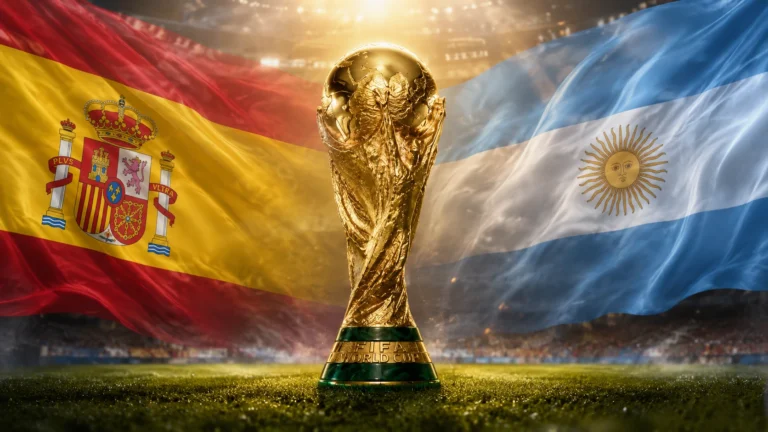
The FIFA World Cup Rules are getting a serious makeover for 2026 — and football fans everywhere are talking. From 5-second countdowns to red cards for covering your mouth, these changes are bold, controversial, and game-changing.
But will they actually help players? Or create more chaos on the pitch? Let’s break it all down.
Rule 1: The 5-Second Countdown
No more time-wasting on goal kicks or throw-ins.
Players now have just 5 seconds to take a throw-in or a goal kick. If a throw-in takes longer, possession switches to the other team. If a goalkeeper delays a goal kick beyond 5 seconds, the opposing team gets a corner kick — directly.
This rule alone could flip matches in crucial moments.
Rule 2: The 10-Second Substitution Exit
Getting subbed off? You’d better move fast.
When a player is substituted, they have only 10 seconds to leave the pitch. If they take longer, the incoming player must wait 1 extra minute on the sideline — leaving their team a man down for a full 60 seconds.
In football, a minute can decide everything.
Rule 3: Mandatory 1-Minute Injury Break
Under the new FIFA World Cup Rules, if an outfield player gets injured, they must leave the pitch for at least 1 full minute before returning.
No more faking injuries to waste time. This keeps the game moving and cuts down on gamesmanship.
Rule 4: Mouth Covering Ban — Red Card Warning
This one is bold.
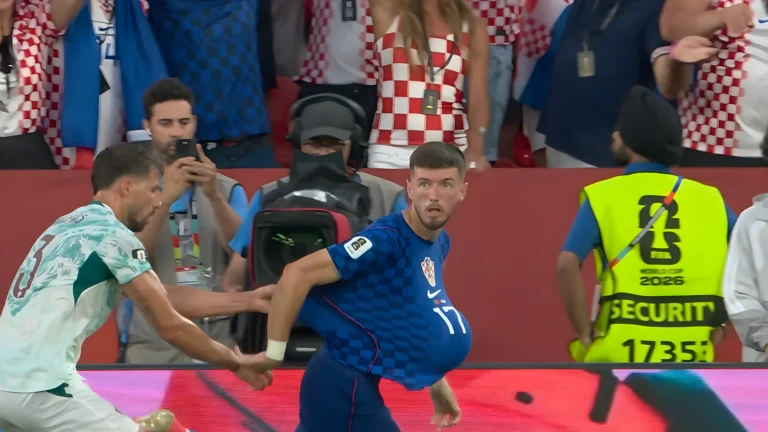
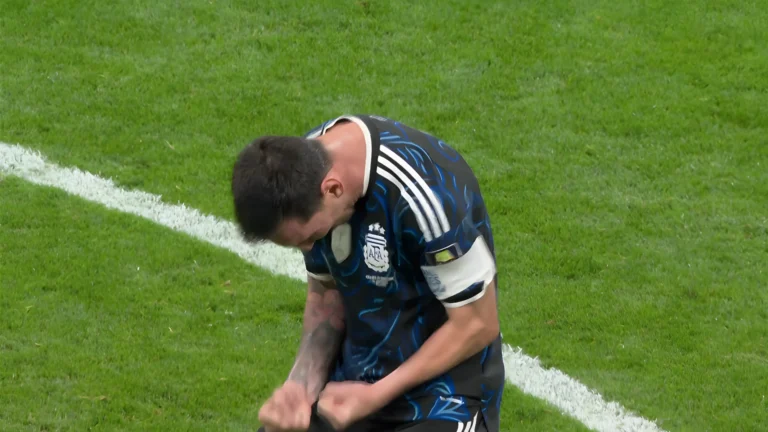
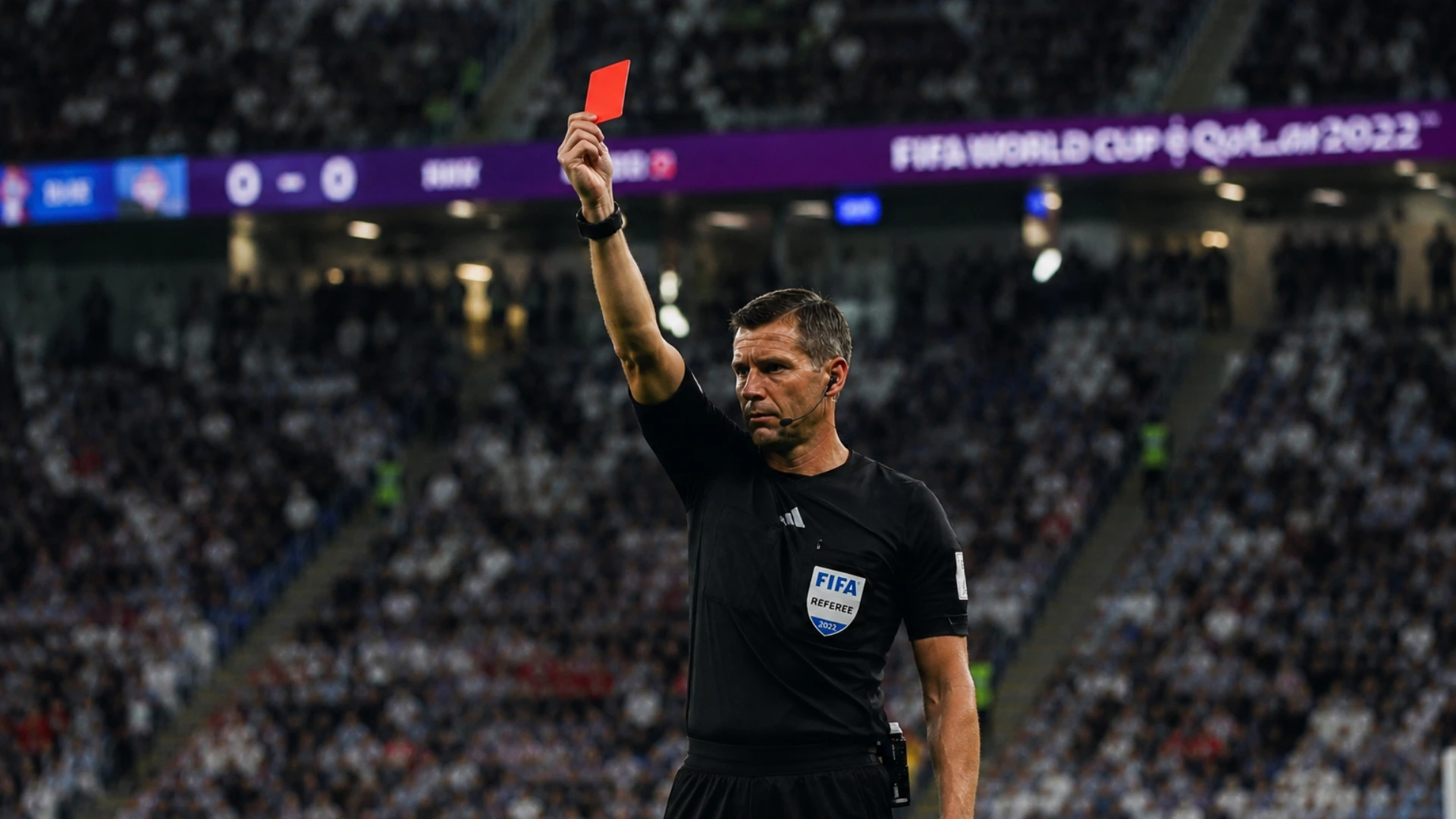
Players are now banned from covering their mouths during a match — with their hands, shirt, or anything else. Violators can receive a direct red card.
Why? Because referees and officials suspect players use this gesture to exchange abusive or discriminatory language without being lip-read. Casual, friendly talk is exempt, but anything suspicious could cost you the match.
Rule 5: Protest = Forfeit
Remember when Senegal walked off the pitch during the AFCON final against Morocco? FIFA took note.
Under the new rules, if a team or player abandons the playing field in protest of a referee’s decision, they face a direct red card — and the team forfeits the match.
This is a zero-tolerance approach to on-field protests.
Rule 6: Goalkeeper Injury Protocol
If the goalkeeper gets injured, they can receive treatment on the pitch. But here’s the catch — no other players can walk over to the technical area to get tactical advice from the coach during that time.
Referees may not enforce this strictly, but it’s officially on the books.
Rule 7: Hydration Breaks Every Half Hour
Given the heat of the 2026 host cities (USA, Canada, Mexico), FIFA is introducing a 3-minute hydration break after the 22nd minute of each half.
Player safety comes first — and this is a long-overdue addition.
VAR Updates for 2026
The Video Assistant Referee (VAR) system is also getting smarter:
- Referees can now review mistaken corner kicks using VAR
- Fouls can be called before kick-off if a player commits one before the ball goes live (e.g., an attacker fouling a defender before a free kick)
- Red and yellow cards will be reviewed more carefully — if the wrong player was carded by mistake, VAR can correct it
- VAR can now directly challenge the on-field referee if a wrong decision was made
These VAR upgrades could eliminate a lot of the match-defining errors we’ve seen in past tournaments.
Quick Summary Table
| Rule | What Changed | Penalty |
|---|---|---|
| 5-Second Countdown | Throw-ins & goal kicks timed | Possession or corner lost |
| 10-Second Sub Exit | Slow substitution | Team plays 1 man down for 1 min |
| 1-Minute Injury Break | Injured outfield players must leave | Minimum 1-min off pitch |
| Mouth Covering Ban | No covering mouth during play | Direct red card |
| Protest Forfeiture | No walking off in protest | Red card + match forfeit |
| GK Injury Protocol | No tactical coaching during GK treatment | Warning (loosely enforced) |
| Hydration Breaks | 3-min break at 22nd minute each half | Player welfare rule |
Will These Rules Help or Hurt?
Some of these FIFA World Cup Rules are clearly designed to protect players and maintain game integrity. Others — like the 10-second substitution rule and protest forfeiture — feel like they could spark massive controversy in high-pressure knockout matches.
One thing is certain: FIFA World Cup 2026 is shaping up to be the most dramatic, rule-packed tournament in history. Buckle up.
Frequently Asked Questions (FAQs)
What are the new FIFA World Cup Rules for 2026?
FIFA has introduced 7 key rule changes, including a 5-second countdown for throw-ins, a 10-second substitution exit, bans on mouth-covering, and mandatory hydration breaks. These FIFA World Cup Rules aim to speed up the game and improve player conduct.
What happens if a player covers their mouth during a FIFA World Cup 2026 match?
Under the new FIFA World Cup Rules, covering your mouth during a match — with hands or clothing — can result in a direct red card. The rule targets discriminatory or abusive communication on the pitch.
Why is there a hydration break in the FIFA World Cup 2026?
A 3-minute hydration break will be taken after the 22nd minute of each half due to the hot climates in the 2026 host countries (USA, Mexico, Canada). This is part of the updated FIFA World Cup Rules, which focus on player safety.
What happens if a team protests and walks off the pitch?
Under the new FIFA World Cup Rules, any team or player who leaves the field in protest of a referee’s decision can receive a direct red card, and the team forfeits the match.
How has VAR changed for the FIFA World Cup 2026?
VAR has been upgraded to review corner kick errors, pre-kick fouls, and wrongly issued cards. VAR officials can now also directly challenge an on-field referee’s decision, making the FIFA World Cup Rules more accurate than ever.

I’m a football writer, covering top leagues like the Premier League, La Liga, Bundesliga, Serie A, and Ligue 1. I write about match analysis, football news, tactics, and major tournaments such as the FIFA World Cup, delivering clear, engaging insights for fans.
About The Author