Origins of FIFA: The Story Behind Football’s Governing Body
Football is the most popular sport in the world today, with billions of fans following tournaments like the FIFA World Cup, Champions League, and continental competitions. But behind this global phenomenon lies an organisation that helped unify and regulate the sport internationally: FIFA.
The Fédération Internationale de Football Association (FIFA) is the governing body of world football. From organising the World Cup to establishing international rules and competitions, FIFA plays a central role in shaping the modern game.
However, FIFA didn’t begin as the massive organisation we know today. Its origins date back to the early 20th century, when football was growing rapidly across Europe and needed a unified international authority.
In this article, we explore the origins of FIFA — how it was founded in 1904, why it was needed, and how it grew from 7 countries to 211 member nations.
Football Before FIFA
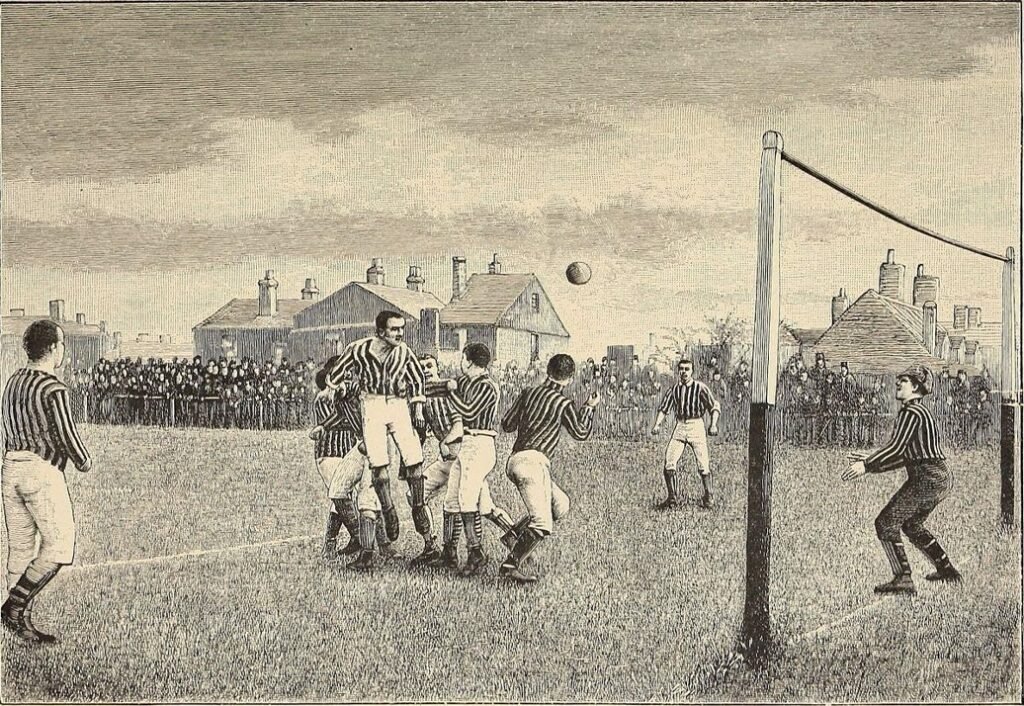
Before FIFA existed, football was already spreading quickly across Europe and other parts of the world.
However, there was one major problem:
There was no international authority to organize matches between countries.
Each country had its own football association and sometimes different interpretations of rules.
Key Issues Before FIFA
| Issue | Description |
|---|---|
| Different rules | Some countries played with slightly different football rules |
| No international authority | There was no organization to regulate international matches |
| Growing popularity | Football clubs and national teams wanted official competitions |
| Disputes between associations | Without governance, conflicts were common |
Football associations such as England’s Football Association (FA) already existed, but they mainly governed the sport within their own countries.
As international matches became more common, the origins of FIFA as a concept became inevitable — the sport desperately needed a unified global authority.
The Founding of FIFA (1904)
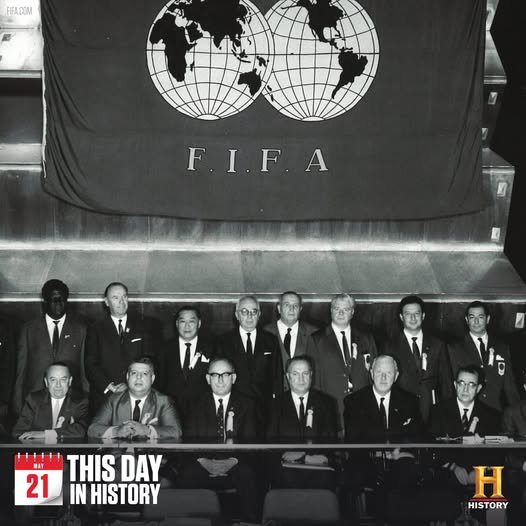
The origins of FIFA became official on May 21, 1904, when representatives from seven European countries gathered in Paris to create an international football federation.
Representatives from seven European countries came together to create an international football federation.
Founding Countries of FIFA
| Country | Football Association |
|---|---|
| France | Union des Sociétés Françaises de Sports Athlétiques |
| Belgium | Royal Belgian Football Association |
| Denmark | Danish Football Association |
| Netherlands | Royal Dutch Football Association |
| Spain | Madrid Football Club (representing Spain) |
| Sweden | Swedish Football Association |
| Switzerland | Swiss Football Association |
The founding meeting took place at the headquarters of the French sports federation in Paris.
These associations signed an agreement to form a governing body that would oversee international football competitions and cooperation.
First President of FIFA
| Name | Country | Years |
|---|---|---|
| Robert Guérin | France | 1904–1906 |
Robert Guérin, a French journalist and football official, became FIFA’s first president.
At the time, FIFA was a very small organization, with limited influence compared to today.
England’s Initial Resistance
One surprising fact about FIFA’s early history is that England did not initially join.
England was considered the birthplace of modern football, and its Football Association believed it already had enough authority.
Why England Hesitated
| Reason | Explanation |
|---|---|
| Pride in English football | England saw itself as the creator of the sport |
| Control over rules | The FA already influenced global football rules |
| Skepticism of international governance | England was cautious about joining a new organization |
However, as FIFA grew in importance, England eventually joined the organization in 1905.
This decision significantly strengthened FIFA’s credibility.
Early Expansion of FIFA
After its founding, the origins of FIFA as a truly global organisation began to take shape as more countries joined and international cooperation grew.
More countries realized that international cooperation was essential for the sport’s development.
Early Members Joining FIFA
| Year | New Member |
|---|---|
| 1905 | England |
| 1906 | Germany |
| 1908 | Argentina |
| 1909 | Chile |
| 1912 | Canada |
| 1913 | United States |
This expansion marked an important shift: football was no longer just a European sport—it was becoming global.
By the early 1910s, FIFA had members from Europe, South America, and North America.
FIFA and the Olympic Games
Before the FIFA World Cup existed, the Olympic Games were the main stage for international football.
FIFA began organizing football tournaments at the Olympics starting in 1908.
Olympic Football Tournaments
| Year | Host City | Winner |
|---|---|---|
| 1908 | London | Great Britain |
| 1912 | Stockholm | Great Britain |
| 1920 | Antwerp | Belgium |
| 1924 | Paris | Uruguay |
The 1924 Olympics football tournament was especially important because it introduced the world to Uruguay, a team that would later dominate early World Cups.
These Olympic tournaments showed FIFA that international football competitions were extremely popular.
The Creation of the FIFA World Cup
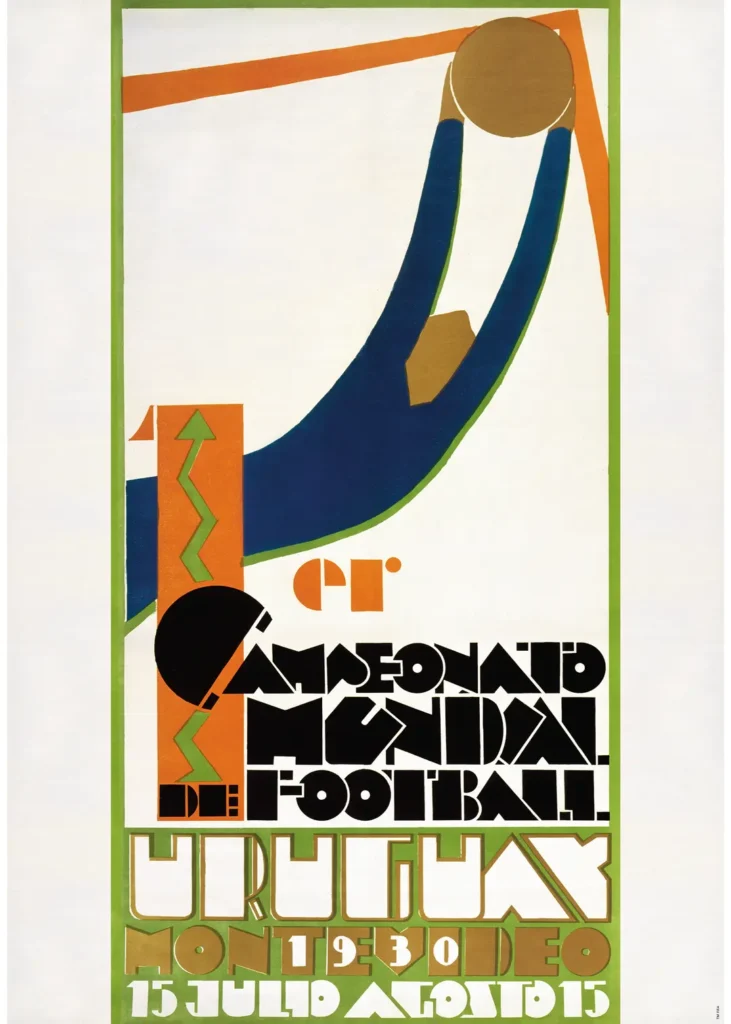
By the late 1920s, FIFA leaders wanted to organize a dedicated international football tournament outside the Olympics.
The idea was championed by Jules Rimet, who became FIFA president in 1921.
Jules Rimet’s Vision
Jules Rimet believed football could unite countries through sport and peace.
He proposed a global tournament where national teams could compete regularly.
This idea led to the creation of the FIFA World Cup.
First FIFA World Cup
| Year | Host Country | Winner |
|---|---|---|
| 1930 | Uruguay | Uruguay |
The tournament featured 13 teams and was held in Montevideo, Uruguay.
Although travel was difficult at the time, the event was a huge success and laid the foundation for what would become the biggest sporting event in the world.
FIFA’s Growth After World War II
World War II disrupted international football competitions.
However, after the war ended, FIFA began expanding rapidly.
Membership Growth
| Year | Number of Member Nations |
|---|---|
| 1904 | 7 |
| 1930 | 41 |
| 1950 | 73 |
| 1980 | 150 |
| Today | 211 |
FIFA gradually became one of the largest international sports organizations in the world.
Today, it has more member nations than the United Nations.
FIFA’s Role in Modern Football
The origins of FIFA in 1904 set the foundation for everything modern football stands on — from international rules to the World Cup itself.
FIFA Responsibilities
| Area | Role |
|---|---|
| World Cup organization | Running the men’s and women’s tournaments |
| International rules | Working with IFAB to maintain football laws |
| Development programs | Funding football growth worldwide |
| Youth tournaments | U-17 and U-20 competitions |
| Global rankings | Official national team rankings |
FIFA also organizes tournaments such as:
- FIFA World Cup
- FIFA Women’s World Cup
- FIFA Club World Cup
- Youth World Cups
These competitions help develop football talent and increase the sport’s global reach.
Fun Facts About FIFA
⚽ Fun Fact #1
FIFA has more member countries than the United Nations.
⚽ Fun Fact #2
The first FIFA headquarters was located in Paris before moving to Zurich, Switzerland.
⚽ Fun Fact #3
The first World Cup trophy was called the Jules Rimet Trophy.
It was permanently awarded to Brazil in 1970 after they won the tournament three times.
⚽ Fun Fact #4
FIFA originally stood for Fédération Internationale de Football Association, which is French because the organization was founded in Paris.
⚽ Fun Fact #5
The 1930 World Cup teams traveled by ship to reach Uruguay, since commercial flights were not common at the time.
FIFA Today: A Global Football Powerhouse
Today, FIFA oversees the sport on a massive scale.
FIFA by the Numbers
| Category | Number |
|---|---|
| Member associations | 211 |
| World Cup viewers | 5+ billion |
| Confederations | 6 |
| World Cup teams | 48 starting in 2026 |
The FIFA World Cup alone is watched by billions of fans across the globe, making it the largest sporting event on Earth.
Timeline of Major FIFA Milestones
| Year | Event |
|---|---|
| 1904 | Olympic football is organized by FIFA |
| 1905 | England joins FIFA |
| 1908 | Brazil keeps the Jules Rimet Trophy |
| 1930 | First FIFA World Cup |
| 1950 | World Cup returns after WWII |
| 1970 | Brazil keeps Jules Rimet Trophy |
| 1991 | First FIFA Women’s World Cup |
| 2026 | World Cup expands to 48 teams |
Why FIFA Was Important for Football
Without FIFA, international football might never have developed the way it did.
The organization helped:
- Standardize rules worldwide
- Create global competitions
- Promote football development in new regions
- Unite nations through sport
What started as a meeting of seven European associations has grown into the central authority of the world’s most popular sport.
Conclusion
The origins of FIFA trace back to a time when football was expanding rapidly but lacked international coordination. The founding of FIFA in 1904 in Paris marked a turning point in sports history.
Through the efforts of pioneers like Robert Guérin and Jules Rimet, FIFA helped transform football from a regional pastime into a global cultural phenomenon.
Today, FIFA’s influence extends to every corner of the world, overseeing competitions, rules, and development programs that shape the modern game.
From a small meeting of European representatives to a 211-member global federation, FIFA’s journey reflects the incredible rise of football itself.
And with events like the 2026 FIFA World Cup, the story of FIFA continues to evolve as the sport grows even more popular worldwide.
From a small meeting in a Paris office in 1904 to governing 211 nations today, the origins of FIFA remain one of sport’s most remarkable stories of growth and ambition.
FAQs
What does FIFA stand for?
FIFA stands for Fédération Internationale de Football Association, which is French for International Federation of Association Football. The name reflects the organization’s origins in France.
Who founded FIFA?
FIFA was founded by representatives from seven European countries: France, Belgium, Denmark, the Netherlands, Spain, Sweden, and Switzerland. These nations came together in Paris to establish an international governing body for football.
Who was the first president of FIFA?
The first president of FIFA was Robert Guérin, a French journalist and football administrator. He served as FIFA president from 1904 to 1906 and helped establish the early structure of the organization.
Where is FIFA headquartered today?
FIFA’s headquarters are located in Zurich, Switzerland. The organization moved its headquarters there from Paris as it expanded globally.
Also Read:-
FIFA World Cup Winners List 1930-2022: Full Champions History
How Much Does the FIFA World Cup Trophy Cost?

I’m a football writer, covering top leagues like the Premier League, La Liga, Bundesliga, Serie A, and Ligue 1. I write about match analysis, football news, tactics, and major tournaments such as the FIFA World Cup, delivering clear, engaging insights for fans.
About The Author