Image Credits – Sport Tickets Office
History of Ligue 1: The Origins of France’s Top Football League
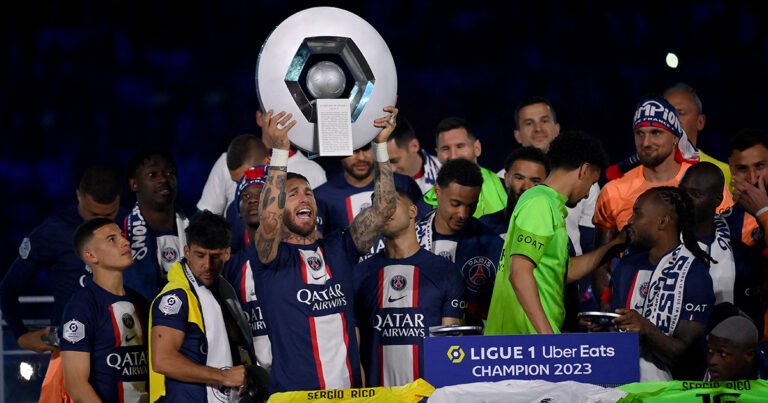
French football today is known for producing world-class talent like Zinedine Zidane, Thierry Henry, Kylian Mbappé, and Karim Benzema. At the center of this football culture sits Ligue 1, France’s top professional football league.
But Ligue 1 didn’t always exist in the form we know today. Before packed stadiums, global TV deals, and superstar players, French football had a long journey from amateur competitions to a professional national league.
In this article, we trace the origins of Ligue 1 — from France’s amateur roots in the 1800s to the birth of professional football in 1932
Early Football in France (Before Professional Leagues)
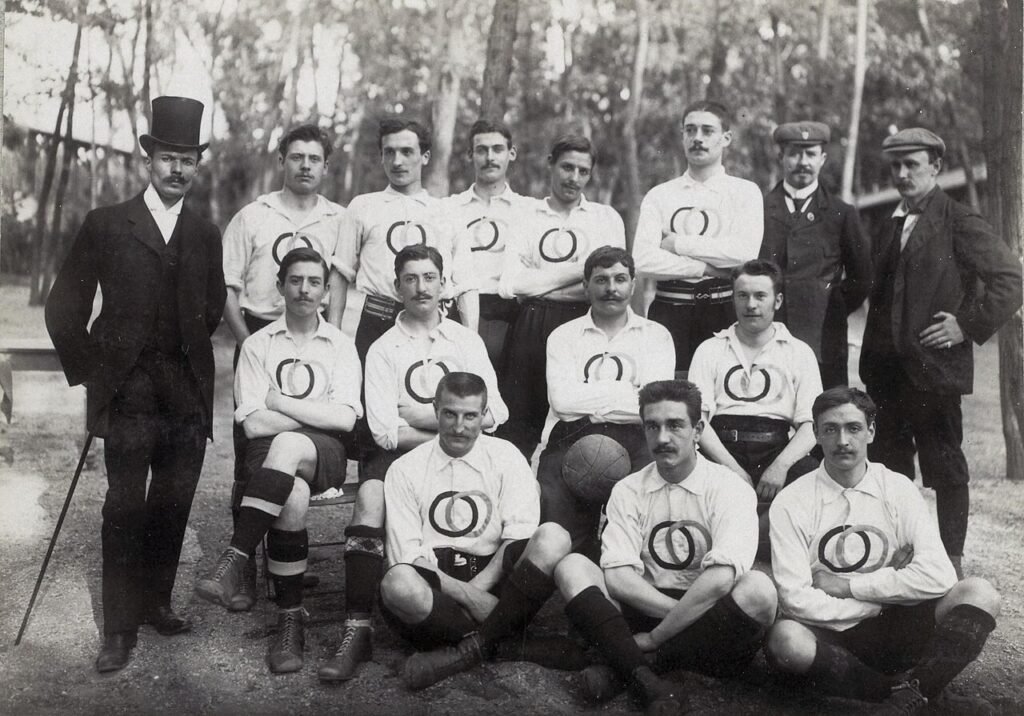
Football arrived in France in the late 19th century, largely introduced by British expatriates working in ports and industrial cities.
During this period:
- Football was mainly amateur
- Organized competitions were run by regional associations
- There was no national professional league
The main governing body organizing competitions was the Union des Sociétés Françaises de Sports Athlétiques (USFSA).
Key Features of Early French Football
| Feature | Description |
|---|---|
| Amateur status | Players were not paid |
| Regional competitions | Clubs played within regional leagues |
| Limited national structure | National championships were irregular |
| British influence | Many early clubs were founded by British residents |
Popular early clubs included:
- Le Havre AC (founded 1872)
- RC Roubaix
- Red Star FC
- Standard Athletic Club
These teams dominated early French football before professionalism was accepted.
Why Professional Football Was Needed
By the end of the 1920s, many club owners believed that professional football was the future. These pressures were the direct catalyst behind the origins of Ligue 1 as a structured national competition.
Countries like:
- England
- Italy
- Spain
already had professional leagues, which meant French players often moved abroad for better pay.
This created pressure within France to legalize professionalism.
Problems With the Amateur System
| Issue | Impact |
|---|---|
| Hidden payments | Clubs secretly paid players |
| Competitive imbalance | Wealthy clubs had unfair advantages |
| Player migration | Top talent left France |
| Lack of national structure | Difficult to organize high-level competitions |
By the end of the 1920s, many club owners believed that professional football was the future.
The Birth of Professional Football in France (1930)
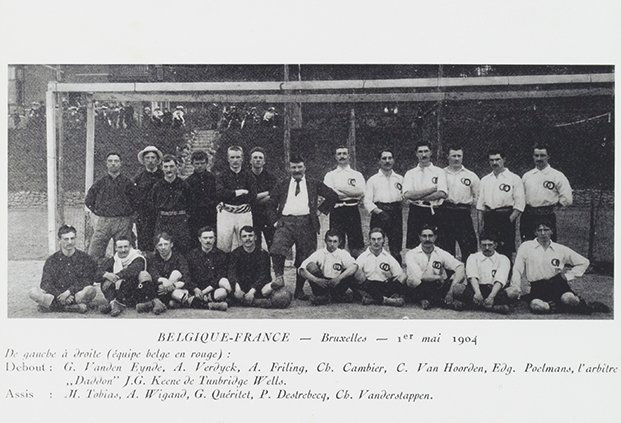
The turning point in the origins of Ligue 1 came in July 1930, when the French Football Federation voted to allow professional football.
The French Football Federation (FFF) voted to allow professional football in France.
The proposal was led by two influential figures:
- Georges Bayrou
- Gabriel Hanot
anot later became one of the most influential figures in European football and also helped create the UEFA Champions League.
Key Decisions in 1930
| Decision | Outcome |
|---|---|
| Legalization of professionalism | Players could officially be paid |
| Creation of a national league | Top clubs would compete nationally |
| Club licensing system | Teams had to meet financial criteria |
Clubs were invited to apply for professional status, and many of the strongest teams quickly accepted.
The First Ligue 1 Season (1932–1933)
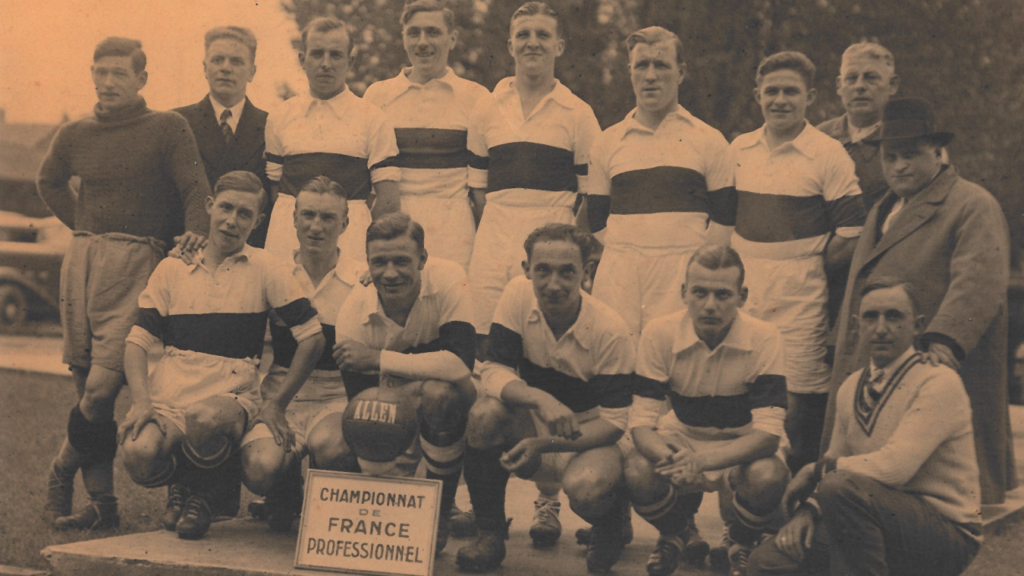
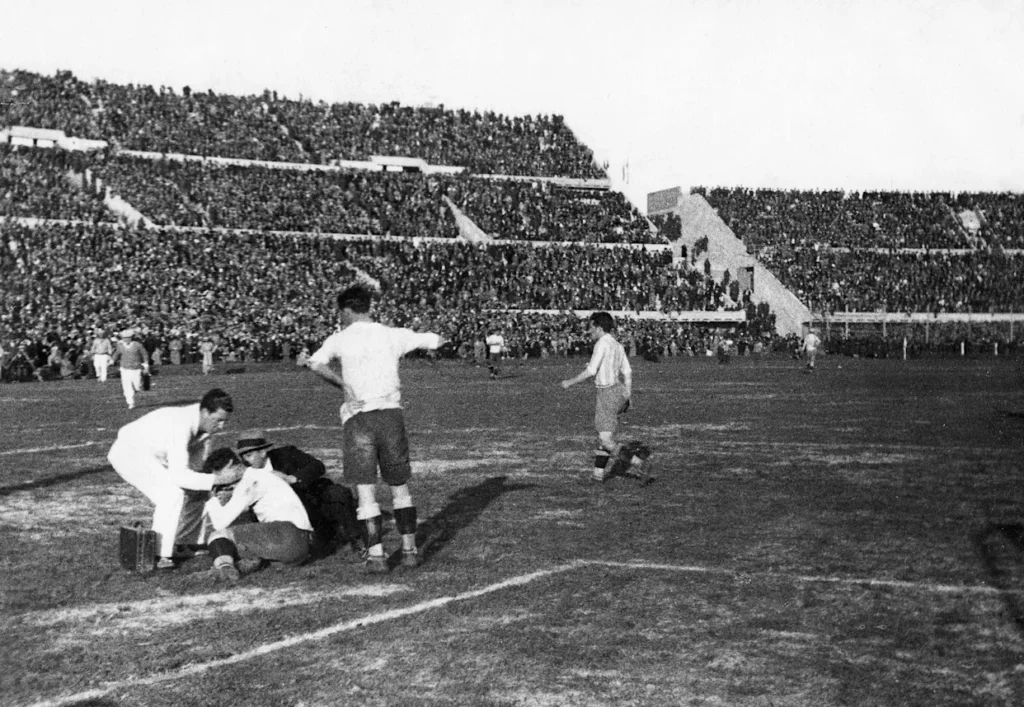
The origins of Ligue 1 became a reality when the first professional season began in 1932 under the name Division 1.
The competition featured 20 teams, divided into two groups of ten.
Format of the First Season
| Feature | Details |
|---|---|
| League Name | Division 1 |
| Season | 1932–1933 |
| Teams | 20 |
| Format | Two groups |
| Final | Winners of each group |
The winners of each group faced each other in the championship final.
First Ligue 1 Champion
Olympique Lillois defeated AS Cannes in the final to become the first professional champions of France.
This historic victory marked the beginning of France’s national professional league era.
Clubs That Shaped Early Ligue 1
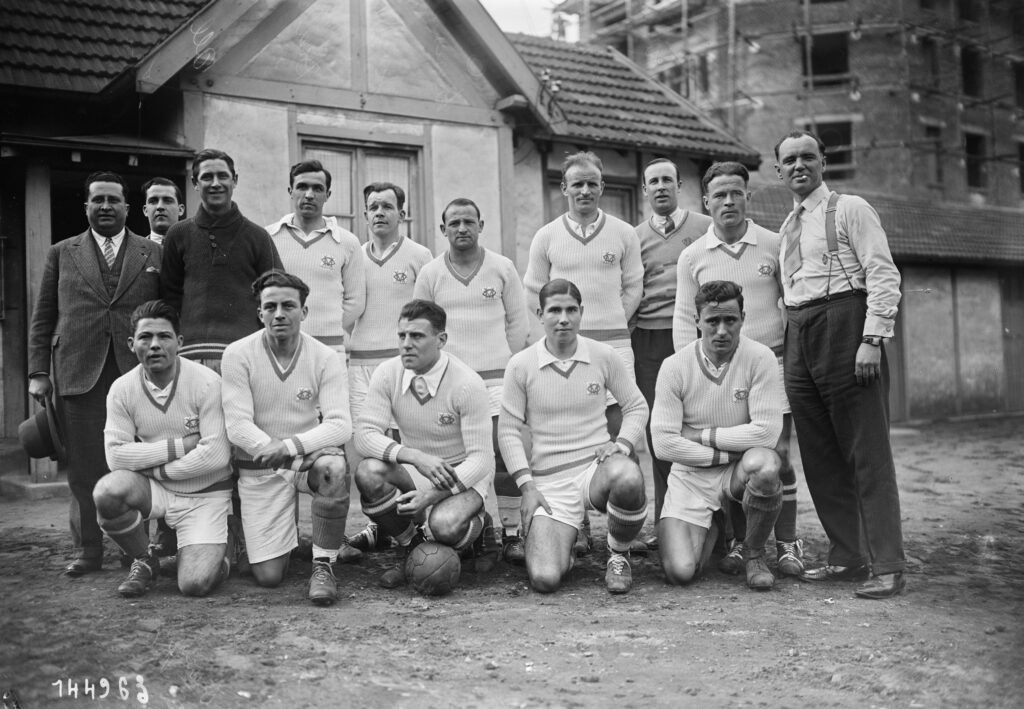
Several clubs became early powerhouses of French professional football.
Major Clubs of the Early Era
| Club | Founded | Notable Achievement |
|---|---|---|
| Olympique de Marseille | 1899 | One of France’s most historic clubs |
| FC Sochaux | 1928 | Backed by Peugeot company |
| RC Paris | 1896 | Strong early league competitor |
| AS Cannes | 1902 | Finalists in the first season |
One interesting club was FC Sochaux, which was heavily supported by the Peugeot automobile company, making it one of the first examples of corporate-backed football teams in Europe.
Ligue 1 Interrupted by World War II
Football in France faced major disruption during World War II (1939–1945).
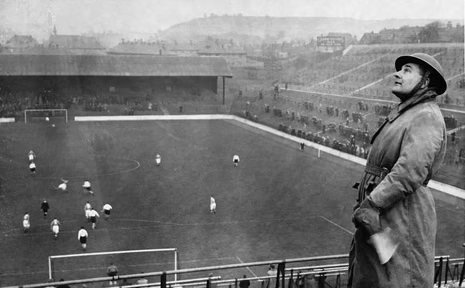
The war created serious challenges:
- Travel restrictions
- Financial problems for clubs
- Players joining the military
Wartime Changes
| Change | Impact |
|---|---|
| Regional leagues | National league suspended |
| Player shortages | Many clubs struggled |
| Financial instability | Some teams dissolved |
Despite the difficulties, football remained popular, and informal competitions continued.
Post-War Rebuilding of the League
After the war ended in 1945, France rebuilt its football system.
The professional league returned with a more stable structure.
Post-War League Structure
| Feature | Details |
|---|---|
| League Name | Division 1 |
| National competition | Fully restored |
| Promotion/Relegation | Introduced between divisions |
Clubs like:
- Stade de Reims
- AS Saint-Étienne
- OGC Nice
became dominant forces during the 1950s and 1960s.
The Transformation Into Ligue 1
The modern name “Ligue 1” was introduced much later.
Timeline of the League Name
| Year | League Name |
|---|---|
| 1932 | Division 1 |
| 2002 | Ligue 1 |
The rebranding in 2002 was part of a marketing strategy to modernize French football and make it more recognizable internationally.
Today, Ligue 1 is managed by the Ligue de Football Professionnel (LFP).
Ligue 1 Today: From Origins to Global League
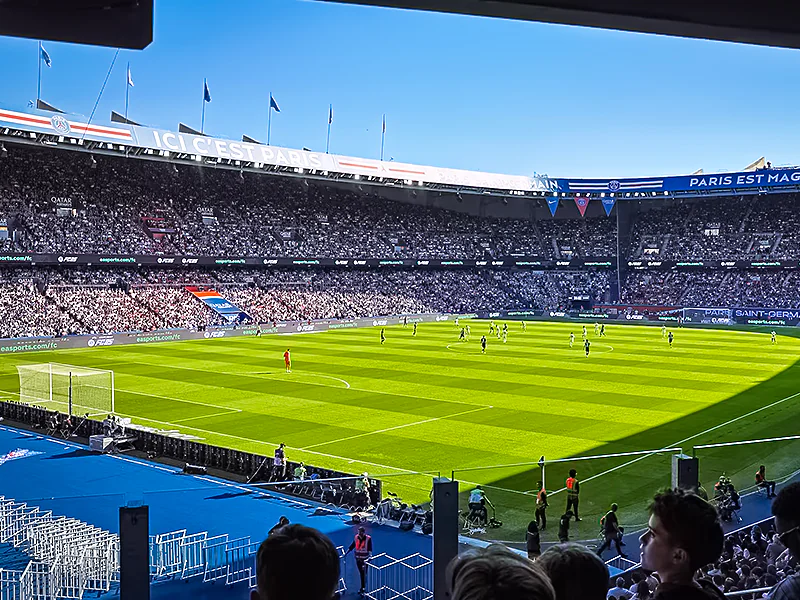
The origins of Ligue 1 in 1932 set the foundation for what is now one of Europe’s most-watched and talent-rich football leagues
Modern Ligue 1 Facts
| Feature | Details |
|---|---|
| Teams | 18 |
| Governing Body | LFP |
| Most Successful Club | PSG (modern era dominance) |
| Global Broadcast | 200+ countries |
The league is now famous for:
- Developing young talent
- Producing world-class players
- Competitive clubs with strong academies
Fun Facts About the Origins of Ligue 1
1. The League Was Rarely Created
Many clubs initially opposed professionalism, fearing it would ruin the amateur spirit of the sport.
2. Corporate Football Began Early
FC Sochaux was funded by Peugeot, making it one of the earliest examples of corporate involvement in football.
3. The Champions League Connection
Gabriel Hanot, who helped introduce professional football in France, later helped create the European Cup (now the Champions League).
4. Early French Football Was British-Inspired
Many of France’s earliest clubs were founded by British workers and sailors.
5. The First Champion No Longer Exists
Olympique Lillois, the first champions, eventually merged with another club to form Lille OSC.
Key Timeline of Ligue 1’s Origins
| Year | Event |
|---|---|
| Late 1800s | Olympique Lillois becomes the first champion |
| Early 1900s | Amateur competitions dominate |
| 1930 | Professional football approved |
| 1932 | First professional league season |
| 1933 | Olympique Lillois becomes first champion |
| 1940–45 | WWII disrupts league |
| 2002 | Division 1 renamed Ligue 1 |
Why the Origins of Ligue 1 Matter
Understanding the origins of Ligue 1 shows how French football evolved from small amateur clubs into a major European league.
The league’s history reveals:
- The struggle between amateur and professional football
- The impact of world events like World War II
- The importance of visionary leaders who pushed for modernization
Without these early developments, the modern Ligue 1 — with global stars and international broadcasting — would never have existed.
From Olympique Lillois winning the first title in 1933 to PSG dominating the modern era, the origins of Ligue 1 tell the story of a country that took its time — but built something extraordinary.
FAQs
Who won the first Ligue 1 title?
The first professional French league champion was Olympique Lillois, who won the 1932–1933 season.
Why was Ligue 1 created?
Ligue 1 was created to introduce professionalism in French football and organize a national competition among the strongest clubs.
What was Ligue 1 called before?
Before being renamed Ligue 1 in 2002, the competition was known as Division 1.
Also Read – “Ligue 1 Winners List (1932–2025): Full Champions History & Most Successful Clubs”

I’m a football writer, covering top leagues like the Premier League, La Liga, Bundesliga, Serie A, and Ligue 1. I write about match analysis, football news, tactics, and major tournaments such as the FIFA World Cup, delivering clear, engaging insights for fans.
About The Author

1 thought on “Origins of Ligue 1: How France Built Its Football Empire”